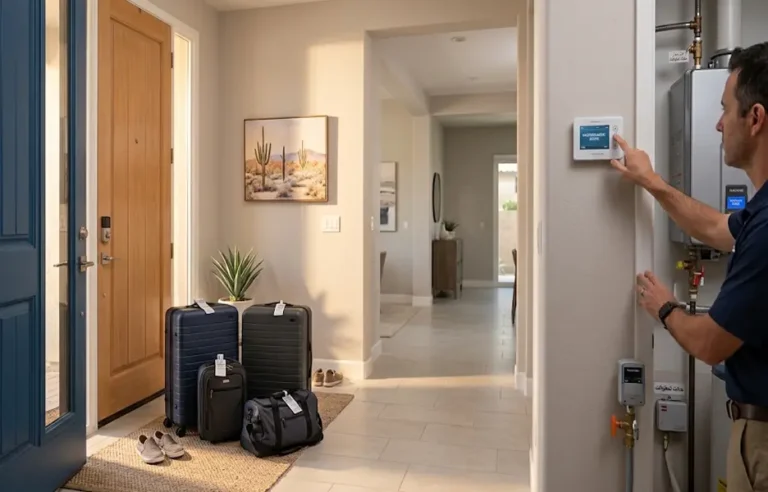
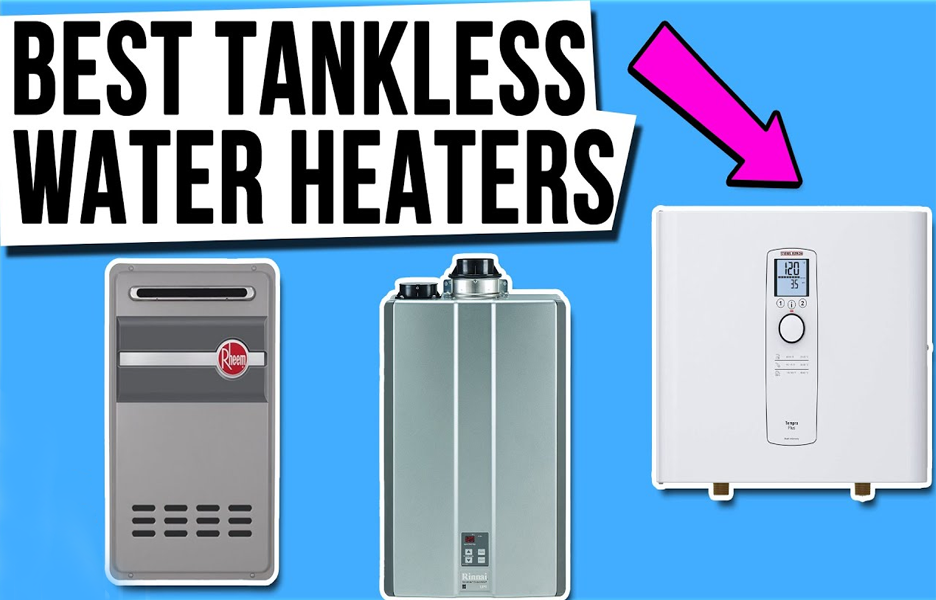
Operating a tankless water heater in Arizona’s 15 to 25 GPG hard water environment requires strategic, scale-resistant engineering to prevent premature heat exchanger failure. Aqua Plumbing Services mandates systems featuring dual stainless steel heat exchangers (such as the Navien NPE-A2 or Rinnai SENSEI+ lineups) over traditional copper. To preserve manufacturer warranties and maintain peak thermal efficiency, these systems should be paired with inline scale-inhibiting devices or demand-initiated softeners across Maricopa County residences.
Switching to a tankless water heater is one of the smartest infrastructure upgrades an Arizona property owner can make. Offering an endless supply of hot water and cutting energy bills by up to 40% compared to traditional tanks, the benefits are undeniable. However, deploying a tankless system in Phoenix, Scottsdale, Mesa, or Chandler requires a customized, climate-specific strategy.
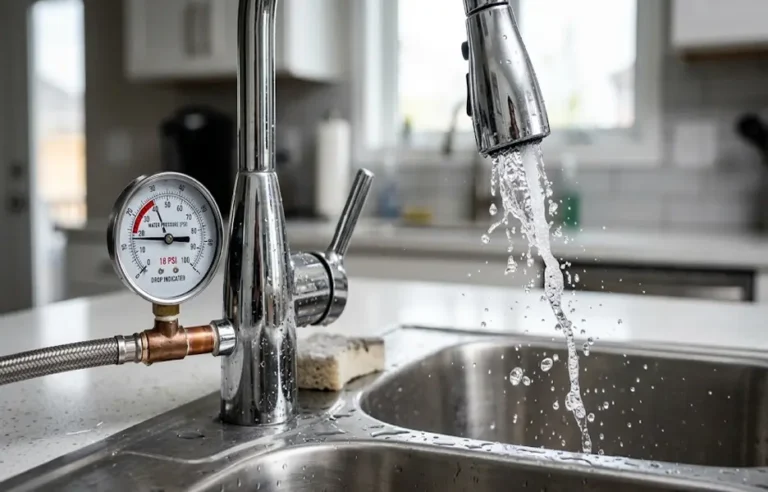
Arizona has some of the hardest municipal water in the United States, with mineral densities frequently measuring between 15 and 25 Grains per Gallon (GPG). When hard water is rapidly heated inside a tankless unit, dissolved calcium and magnesium immediately solidify into limescale. In standard tankless systems, this scale creates a thermal blanket over the heat exchanger, forcing the system to overheat, drop in water pressure, and ultimately crack within three to five years.
At Aqua Plumbing Services, we analyze and install systems engineered specifically to survive the desert’s punishing water chemistry. This 2026 comprehensive guide details the best scale-fighting tankless units on the market and the advanced mitigation strategies required to protect your investment.
1. The Gold Standard: Navien NPE-A2 Series
When evaluating tankless performance under extreme desert conditions, Navien’s NPE-A2 Condensing Series consistently ranks as our top professional recommendation at APS Plumbing.
[Traditional Tankless] ──> Copper Heat Exchangers  ──> High Scale Bonding & Rapid Failure
[Navien NPE-A2]        ──> Dual Stainless Steel     ──> Resists Corrosion & Repels Mineral Scale
The Scale-Fighting Technology: Dual Stainless Steel Heat Exchangers
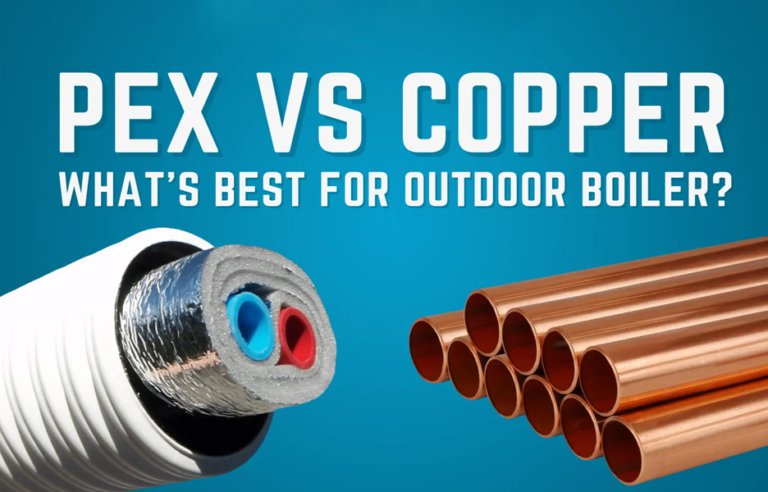
Most standard tankless water heaters utilize copper heat exchangers because copper conducts heat quickly. However, in Arizona, copper is highly susceptible to pitting corrosion from municipal chlorine and acts like a magnet for mineral bonding. Navien replaces copper entirely with dual commercial-grade stainless steel heat exchangers. Stainless steel is molecularly resilient, offering superior resistance to calcification and structural pitting.
Added Arizona Benefit: ComfortFlow™ Recirculation
The NPE-A2 features an integrated 0.5-gallon buffer tank and an internal, smart recirculating pump. In massive Valley households, this eliminates the “cold water sandwich” effect and reduces constant on/off cycling, which is when the highest rate of mineral precipitation occurs.
2. The Smart Choice: Rinnai SENSEI+ Series
For homeowners who prioritize remote diagnostics and proactive monitoring, the Rinnai SENSEI+ Series offers exceptional performance in high-mineral zones.
The Scale-Fighting Technology: Smart-Modulating Scale Sensors
The SENSEI+ is engineered with integrated, advanced thermal sensors that continuously monitor the heat transfer rate across its stainless steel structure. If calcium accumulation begins to insulate the heat exchanger, the unit detects the minor drop in efficiency and instantly alerts you—and our team at Aqua Plumbing Services—via the Rinnai smartphone application before structural damage or element failure can take place.
Performance Footprint: Ultra-High UEF Ratings
With a Uniform Energy Factor (UEF) of up to 0.95+, the SENSEI+ recovers almost all exhaust heat, ensuring that your utility footprint remains at an absolute minimum even during high-volume usage cycles.
3. The Budget-Friendly Innovator: Rheem Ikonic™
If you are looking for a combination of high flow rates, smart integration, and versatile positioning, the Rheem Ikonic Condensing Series is a powerful contender for Arizona properties.
The Scale-Fighting Technology: Automated Self-Forming Warnings
The Ikonic line utilizes a robust stainless steel heat exchanger grid designed to withstand heavy water volume. It pairs cleanly with Rheem’s EcoNet® Wi-Fi app, which actively tracks internal operating hours and system diagnostics, providing precise countdown metrics for when your next descaling flush is required based on real-time household water consumption.
- Installation Flexibility: The Ikonic can be configured for indoor or outdoor wall mounts, freeing up valuable square footage inside your garage or utility closet.
Technical Comparison Matrix for Arizona Infrastructure
| Feature / Specification | Navien NPE-A2 Series | Rinnai SENSEI+ Series | Rheem Ikonic Series |
| Primary Exchanger Material | Dual Stainless Steel | Premium Stainless Steel | Single Stainless Steel |
| Scale Defense Mechanism | Passive Repulsion / Low Cycling | Active Sensor App Alerts | Automated Diagnostic Tracking |
| Internal Recirculation Pump | Yes (Built-In Buffer Tank) | Optional Upgrade | Optional Upgrade |
| Flow Rate Capacity (Max) | Up to 11.2 GPM | Up to 11.0 GPM | Up to 9.9 GPM |
| Arizona Water Suitability | Highest Recommendation | Excellent (Smart Homes) | Great (Versatile Space-Saver) |
4. The “Desert Armor” Protection Strategy
Even the most advanced stainless steel heat exchanger cannot fight Arizona’s hard water entirely alone. To maximize your system’s operational lifespan up to its 20-year potential, Aqua Plumbing Services deploys a multi-layered protection framework on every installation:
Inline Anti-Scale Treatment Systems
We frequently install inline treatment systems, such as the Navien PeakFlow® or specialized ScaleRx inline polarization units, directly on the cold-water inlet line feeding the heater. These chemical-free devices utilize specialized media or galvanic disruption to alter the crystal structure of calcium carbonate. It transforms sticky calcite into smooth, microscopic aragonite needles that wash harmlessly through the system instead of baking onto the heat exchanger walls.
Dedicated Demand-Initiated Softeners
For the absolute maximum level of protection, pairing your tankless heater with a whole-home Demand-Initiated Regeneration (DIR) water softener physically strips the hard minerals out of the water stream before they ever touch the appliance.
- Internal Link: Sizing a softener to match your high-flow tankless heater is critical. Review our sizing blueprint: The Ultimate Water Softener Buying Guide for Large Families in Phoenix.
The Mandatory 12-Month Descaling Flush
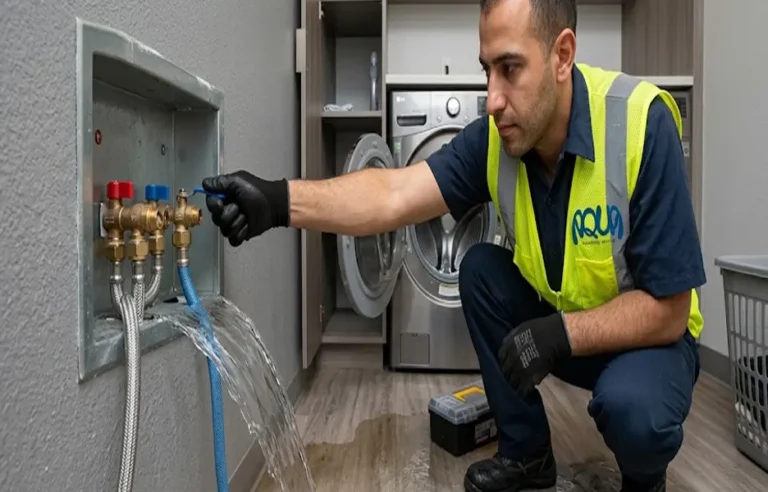
In Maricopa County, performing a professional descaling flush every 12 months is mandatory to keep your manufacturer’s warranty valid. Our technicians use food-grade, biodegradable descaling solutions pumped backward through integrated isolation valves to dissolve any microscopic mineral dusting before it can calcify into a hard crust.
Upgrade Your Water Heating Safely with Aqua Plumbing Services
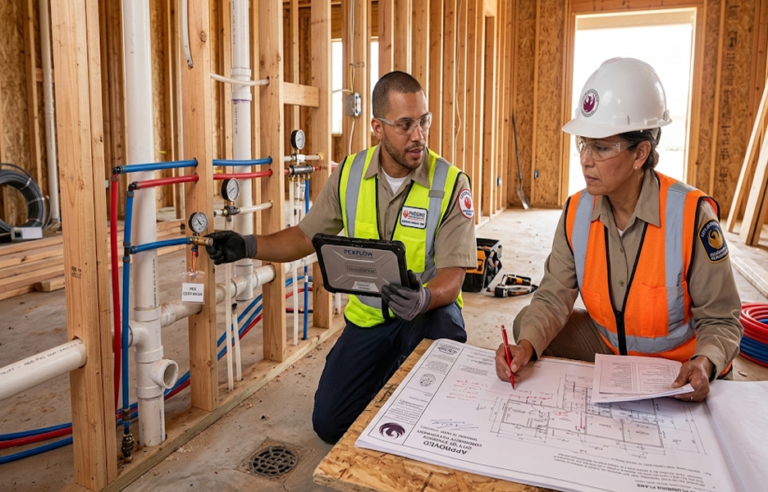
Transitioning to a tankless system requires professional engineering. From sizing the correct gas line BTU footprint to pulling city building permits and verifying safe ventilation pathways, our local team at Aqua Plumbing Services handles the entire layout from start to finish.
- Internal Link: Make sure your project meets all legal and safety standards across Maricopa County. See our structural legal checklist: Plumbing Permits in Maricopa County: A Guide to Legal Requirements and Safety.
Secure your endless hot water grid today.
We serve residential and commercial properties across the Greater Phoenix Area. Contact our specialized installation division at APS Plumbing today to schedule an on-site property evaluation and find the perfect scale-resistant system for your household needs.