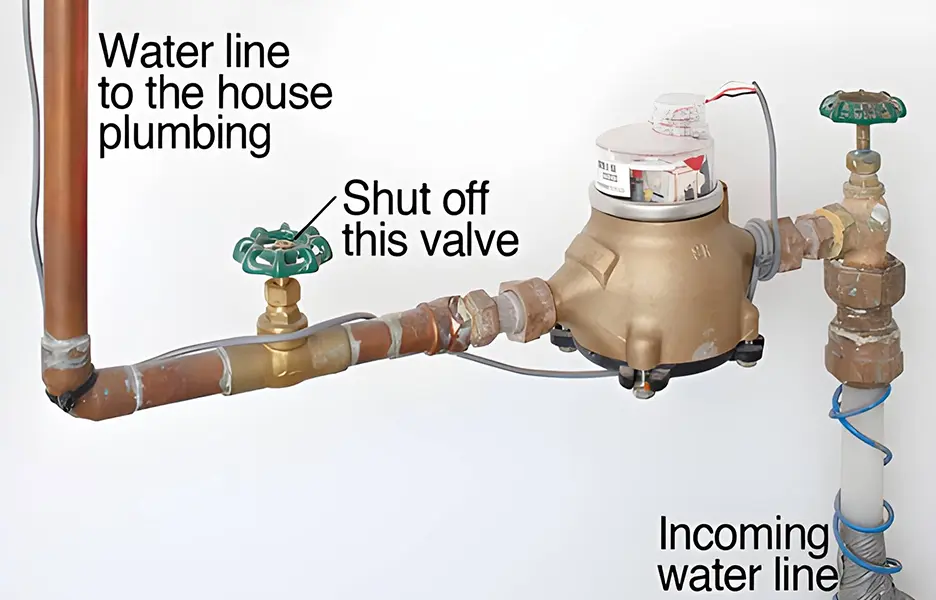
Knowing your main water shut-off location is essential to prevent flood damage. In most homes in Scottsdale and the Phoenix Valley, the main shut-off valve is typically located either outside near the water meter (close to the street) or inside the house in the garage, basement (if applicable), or near the water heater. To shut off the supply, locate the valve and turn it clockwise until the water stops completely.
Part 1: Why Knowing This Valve Is Critical (The Emergency Angle)
1.1. The Disaster Prevention Key
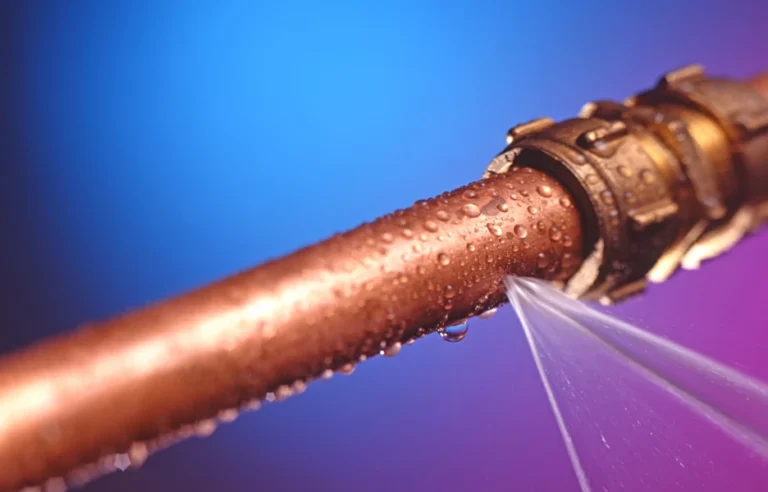
Time is Water: In an emergency (like a burst pipe in the wall or a plumbing fixture failure), you only have a few minutes to stop the flow before major structural damage occurs. Locating the main shut-off is the single fastest way to prevent thousands of dollars in water damage.
Saving Your Slab: For homes with slab foundation in Mesa or Tempe, a quick shut-off can minimize water intrusion beneath the foundation, mitigating the risk of structural issues.
1.2. The Two Types of Shut-Off Valves You Need to Know
Ball Valve (Lever Handle): The most common modern valve. You turn the lever 90 degrees (quarter-turn) perpendicular to the pipe to shut off the water. (Quickest to shut off).
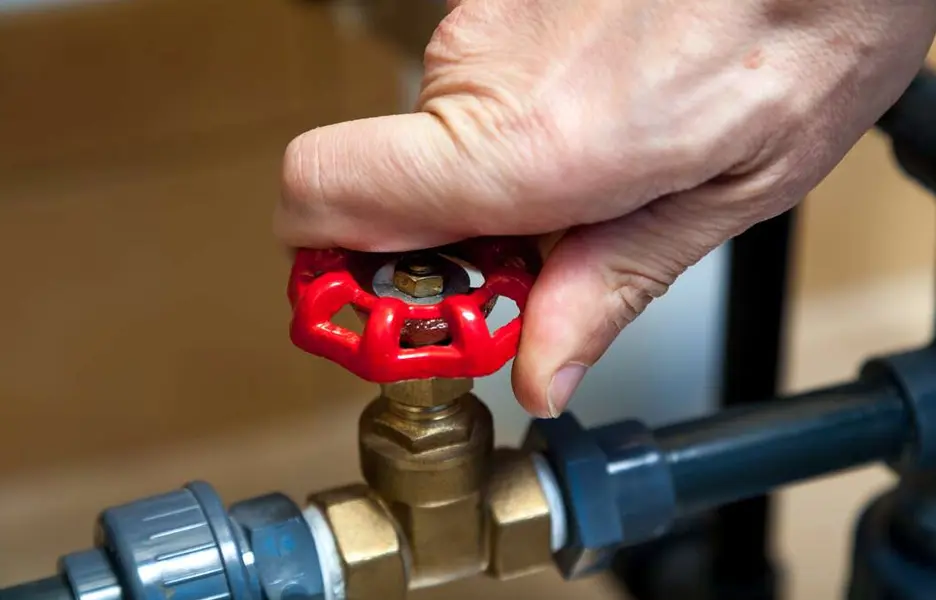
Gate Valve (Round Handle): Requires multiple full turns (clockwise) to fully shut off the water. (Slower, prone to seizing).
Part 2: 🗺️ The Arizona Search: Where to Look for Your Main Shut-Off
2.1. Outdoor Locations (Most Common in AZ)
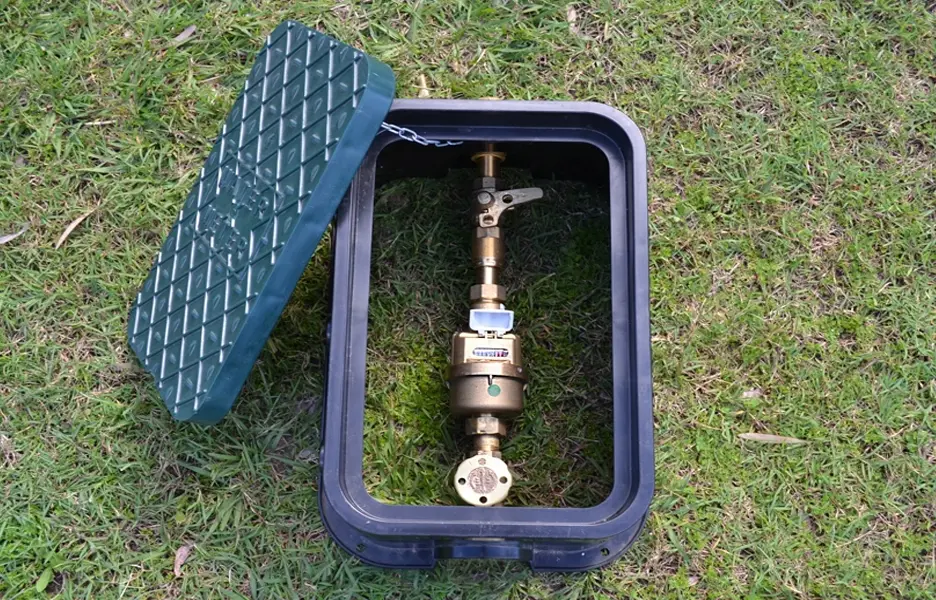
Near the Water Meter: In many areas of Scottsdale and Phoenix, the valve is outside, located near the property line or curb, usually housed in a concrete box or pit labeled “Water” or “Meter.”
Important Note: There are often two valves here: the City’s valve and your homeowner’s valve. Only touch the valve closest to your home.
Near the Outdoor Faucet: Sometimes located outside where the main water line enters the house, near an exterior hose bib.
2.2. Indoor Locations (Common in Older Homes or Garages)
The Garage: Often located on a wall near the front of the garage where the main service line enters the home from the street.
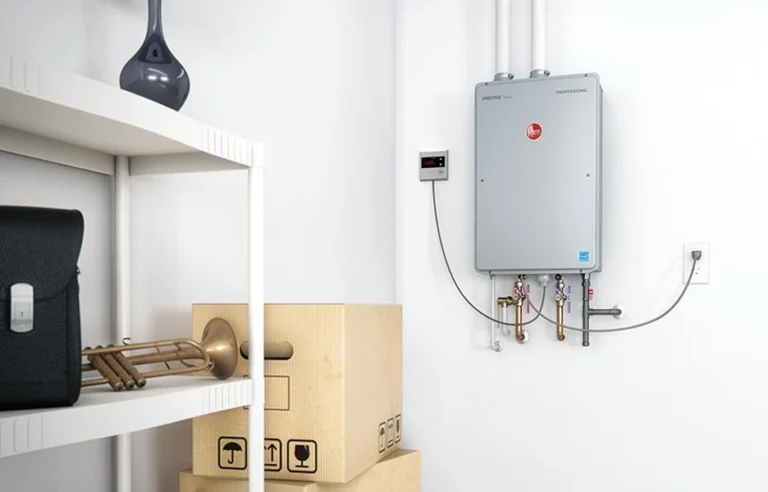
Near the Water Heater: The line entering the water heater is the main line for the hot water system, but the cold water supply leading to the heater is often close to the main house shut-off.
Utility Room/Basement: Less common in the Valley of the Sun, but check utility closets or any small basement/crawl space.
2.3. Multi-Family / Condo Dwellings (Specific to Tempe/Mesa)
If you live in a condo or townhome in Tempe or Mesa, your shut-off may be located:
Inside a shared utility closet.
Next to your water heater or air handler unit.
You may need access to the building’s master shut-off as well.
Part 3: 🛑 Step-by-Step Guide to Shutting Off the Water Supply
Step 1: Locate the Correct Valve
Identify the largest pipe entering your home from the meter side. This is your main supply line.
Step 2: Prepare the Area
If the valve is old (Gate Valve), have an adjustable wrench handy. Be gentle, as forcing an old gate valve can cause it to break.
Step 3: Turn the Valve (The Action)
For Ball Valves (Lever): Turn the lever 90 degrees clockwise until it is perpendicular to the pipe.
For Gate Valves (Round Wheel): Turn the handle clockwise until it stops turning (requires multiple full rotations).
Step 4: Verify the Shut-Off
Go inside and turn on the nearest faucet. The water should stop completely within a minute. If water continues to flow, you may have shut off the wrong valve or the valve is faulty.
Part 4: What to Do If the Valve Fails or Is Seized
4.1. Dealing with a Faulty Gate Valve
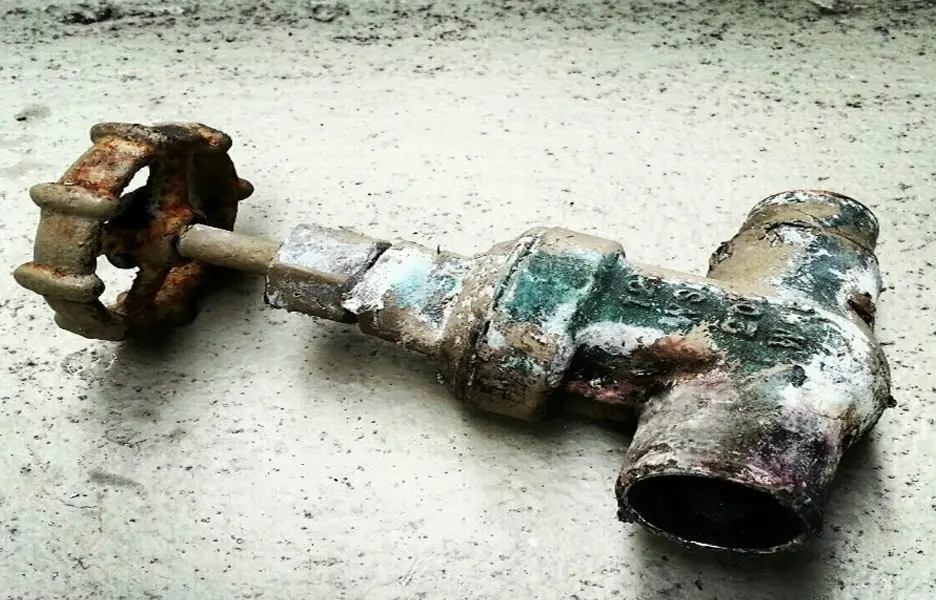
Old gate valves often seize up or break when forced. If the valve feels stiff, do not force it. Applying gentle pressure or lubricants may help, but forcing it could cause a complete failure and flood.
4.2. The Only Safe Alternative: Calling the City
If you cannot locate your valve or if it breaks, the next step is to call the City Water Department for your municipality (Scottsdale, Phoenix, etc.). They can shut off the water at the curb (at the City’s valve), but this may take time.
4.3. Call Your Plumber: Maintenance for Prevention
If your valve is old, corroded, or difficult to turn, it needs replacement. We recommend replacing old Gate Valves with modern Ball Valves for faster emergency shut-off.
Conclusion: Practice Makes Perfect
Don’t wait for a plumbing emergency to find out where your main water shut-off valve is located. Find it today, test it (gently!), and ensure it’s in working order.
If your valve is old, stuck, or needs to be relocated to a more accessible spot, contact the trusted local plumbers at APS Plumbing AZ. We offer valve inspection and replacement services across the Phoenix Valley.