
Discovering an uncontained burst pipe or a subterranean concrete slab leak is every Arizona property owner’s worst nightmare. Beyond the immediate threat of structural flooding and drywall rot, navigating homeowners insurance claims across Phoenix, Scottsdale, Mesa, Chandler, and Glendale can be an intimidating process. Insurance carriers frequently attempt to minimize payouts or deny claims by classifying pipe failures as “gradual wear and tear” or “deferred maintenance.”
Understanding the critical legal and mechanical distinctions between sudden and accidental discharge, tear out and access coverage, and consequential water damage is essential to securing a fair payout. Below is the comprehensive step-by-step engineering and documentation guide from the licensed master plumbers at Aqua Plumbing Services.
Executive Summary: What Standard Arizona Homeowners Policies Cover
- Covered (“Sudden & Accidental”): Sudden high-pressure line bursts, catastrophic water heater tank ruptures, and resulting water damage to baseboards, drywall, subflooring, cabinetry, and personal contents.
- Generally Covered (“Tear Out and Access”): The labor, jackhammering, concrete trenching, and drywall demolition required to reach and expose a concealed slab or wall leak.
- Typically Excluded (“The Pipe Itself”): The direct mechanical cost of the pipe replacement piece or brass coupling itself (often a minor plumbing line item compared to the thousands required for access and drying).
- Frequently Disputed / Denied: “Continuous or repeated seepage” lasting more than 14 days, pre-existing rot, or unpermitted DIY plumbing modifications.
Insurance Coverage Breakdown for Arizona Plumbing Failures
Here is how standard HO-3 and HO-5 homeowners insurance policies in Arizona handle different mechanical plumbing emergencies:
| Plumbing Emergency Category | Typical Coverage Status | Covered Loss Scope | Crucial Documentation Required |
|---|---|---|---|
| Subfloor Concrete Slab Leaks | Covered (Access & Damage) | Tear-out of slab/tile, subfloor drying, floor replacement & baseboard restoration. | Thermal imaging scans, acoustic telemetry logs & professional plumber cause-of-loss letter. |
| Pressurized Supply Line Ruptures | 100% Fully Covered | Drywall extraction, industrial dehumidification, insulation replacement & trim rebuild. | Photos of burst fitting, failed PRV surge pressure readings & dry-out telemetry logs. |
| Water Heater Tank Bottom Burst | Covered (Damage Only) | Garage/interior drywall repair, flooring restoration & structural remediation. | Date stamp of sudden failure event; serial number plate photo showing unit age. |
| Gradual Polybutylene / Galvanized Rust | High Dispute Risk | Carrier may attempt to deny citing “wear, tear, and corrosion” exclusions. | Certified inspection report proving sudden physical breach rather than ongoing neglected seepage. |
1. The 5 Critical Steps to Take Immediately After a Pipe Leak
What you do in the first 2 hours following a plumbing failure determines whether your insurance claim is approved in full or disputed:
- Shut Off the Main Water Supply & Mitigate Damage:
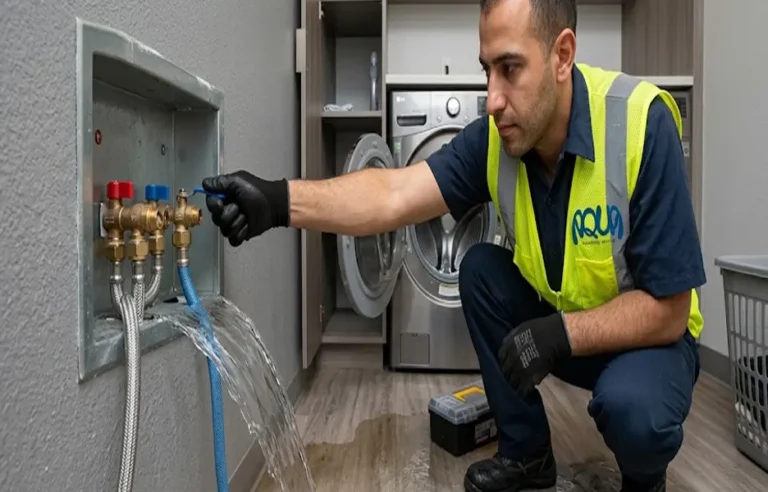
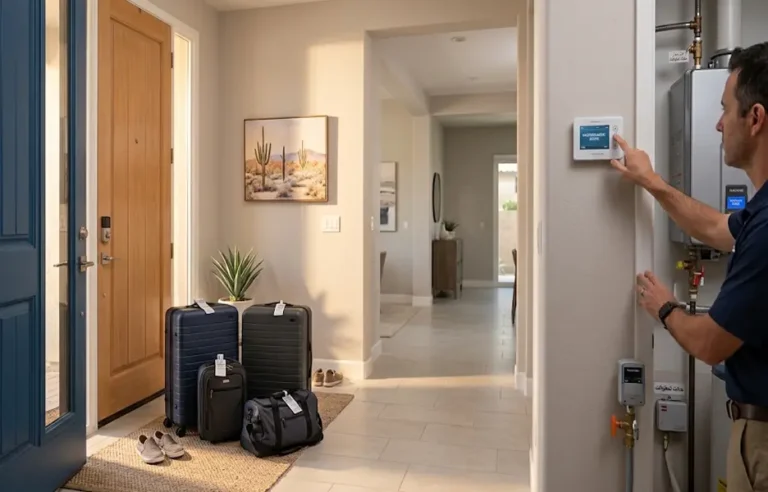
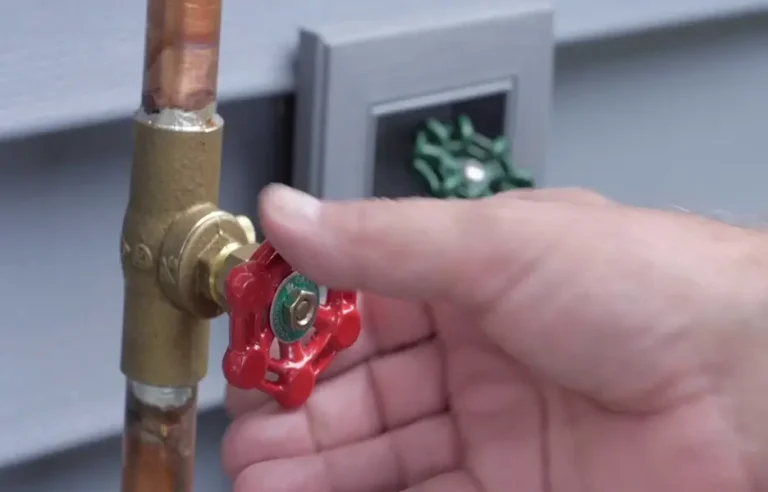
Immediately turn your main house shut-off valve clockwise 90 degrees. Insurance policies contain a mandatory “duty to mitigate damages” clause. If pressurized water continues flooding your home because the valve was left open for hours, the adjuster can deny coverage for subsequent damage. - Document Everything Before Demolition Begins:
Take high-resolution video and photos of standing water depths, saturated baseboards, bubbling ceiling drywall, ruined flooring, and damaged personal possessions. Capture wide-angle room views and close-ups. - Call a Licensed Plumbing Contractor (Not Just an Adjuster):
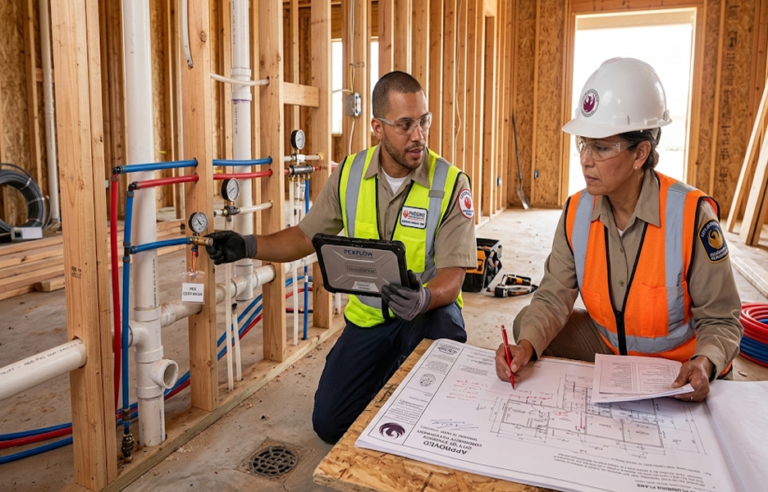
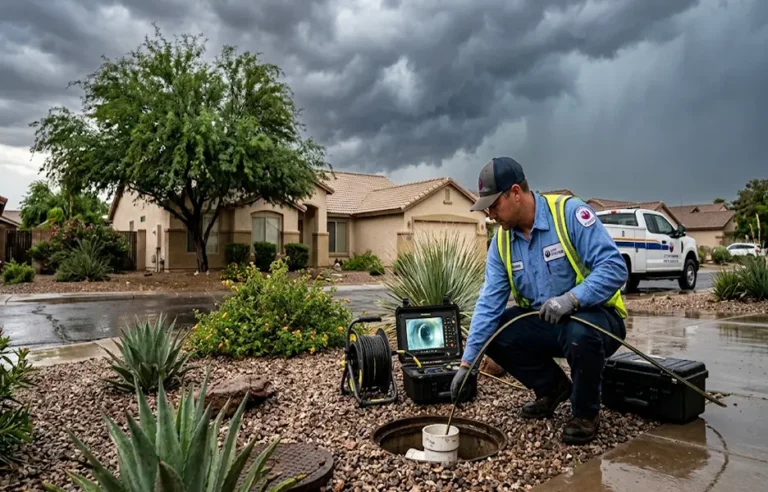
Insurance companies send adjusters working on their behalf. You need an independent, licensed master plumber to locate the leak, diagnose the exact mechanical cause of failure, and provide an official written diagnostic report. If you suspect an underground line breach, utilize non-destructive slab leak detection and thermal imaging services to build incontrovertible evidence. - Retain the Failed Pipe Piece or Valve:
Never allow a contractor to throw away the corroded copper section, cracked brass coupling, or ruptured supply line. Your insurance adjuster has the legal right to inspect the physical evidence to verify that a sudden mechanical breach occurred. - Initiate Emergency Water Extraction & Structural Drying:
In Arizona’s warm climate, mold spores germinate within 24 to 48 hours. Review our engineering guide on preventing mold growth from leaking pipes to understand mandatory structural drying standards.
2. How to Secure “Tear Out & Access” Coverage for Slab Leaks
A primary point of friction between Arizona homeowners and insurance adjusters involves subterranean slab leaks. When copper piping encased beneath 4 inches of concrete foundation begins leaking, the cost breakdown typically looks like this:
- Mechanical Pipe Splicing (The Pipe Repair): $250 – $500
- Tear-Out & Access (Jackhammering Concrete / Flooring Removal): $2,500 – $6,000+
- Restoration & Drying (Rebuilding Floor & Drywall): $5,000 – $15,000+
Adjusters often point to the policy exclusion stating “wear and tear of pipes is not covered.” While they may not pay for the $300 copper pipe solder repair, Section I – Perils Insured Against in standard Arizona homeowner policies explicitly obligates the carrier to pay the full cost of tearing out and replacing any part of the building structure necessary to access the failed plumbing system.
3. How Arizona Water Chemistry & Pressure Impact Claims
Municipal water across Maricopa County averages 15 to 25+ Grains per Gallon (GPG) of mineral hardness combined with aggressive municipal disinfectants. Over time, internal chemical pitting causes pinhole leaks that erupt under high pressure.
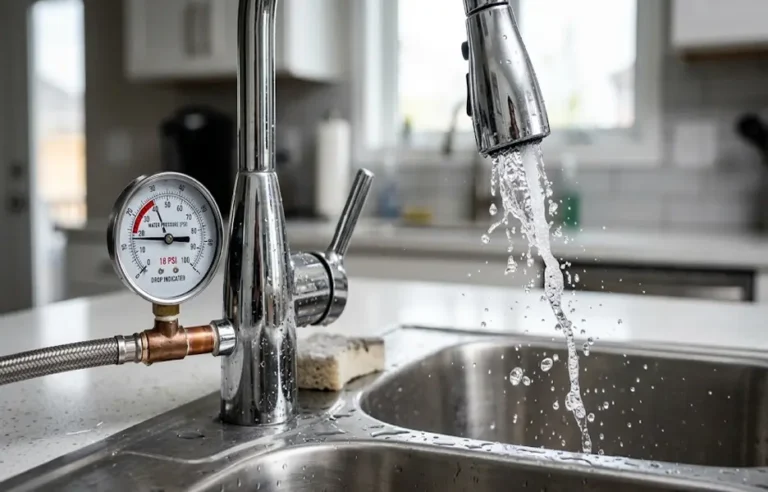
Additionally, municipal water pressure surges exceeding 80–100 PSI frequently trigger catastrophic supply line bursts. If high pressure caused your fixture line to fail, review our diagnostic guide on why Arizona homes struggle with water pressure issues to verify your pressure reducing valve (PRV) status for your adjuster’s report.
If your property has suffered multiple pinhole failures or widespread copper calcification, emergency spot repairs may no longer be economically viable. In these scenarios, explore our certified full home repiping services in Arizona to permanently transition your plumbing grid to corrosion-proof PEX-A.
Reinforce Your Plumbing Infrastructure
Proactive water conditioning protects your home’s piping and appliances from aggressive chemical erosion. Explore our updated water softener installation and replacement services to eliminate mineral-induced corrosion.
If uncontained flooding or pipe breaks require immediate mechanical intervention, contact our 24/7 crew for emergency pipe repairs and leak containment across the Valley.
Frequently Asked Questions: Arizona Pipe Leak Claims
Q: Does homeowners insurance cover concrete slab leaks in Arizona?
A: Yes. While the insurance carrier may exclude the small plumbing part used to fix the pipe itself, standard policies cover the expensive “tear out and access” costs to jackhammer through the slab, as well as drying, water damage restoration, and flooring replacement.
Q: What is the difference between a sudden leak and a gradual leak?
A: A sudden leak occurs unexpectedly (e.g., a ruptured burst pipe, sudden pressurized slab breach) and is covered by insurance. A gradual leak involves slow, neglected seepage occurring over weeks or months with visible decay, which carriers often attempt to deny under deferred maintenance clauses.
Q: Can a plumber provide the documentation needed for my insurance claim?
A: Yes. Licensed master plumbers provide formal written cause-of-loss reports, thermal imaging scans, acoustic telemetry mappings, and itemized mechanical repair estimates required by adjusters to process and approve claims quickly.
Q: Should I hire a public adjuster for a plumbing leak claim in Phoenix?
A: For large-scale catastrophic losses (e.g., whole-home floods or major slab leaks exceeding $20,000+ in structural damage where the carrier disputes coverage), a licensed public adjuster or experienced restoration team can help negotiate fair market replacement values.
Need Professional Leak Documentation & Repairs?
Don’t let insurance adjusters underpay your water damage claim. Contact Arizona’s licensed plumbing specialists at Aqua Plumbing Services for non-invasive electronic leak detection, certified cause-of-loss reports, and 24/7 emergency repairs across Phoenix, Scottsdale, Mesa, Chandler, and Glendale.