Sputtering Faucets and Air in Pipes: Signs of a Main Line Breach in Phoenix
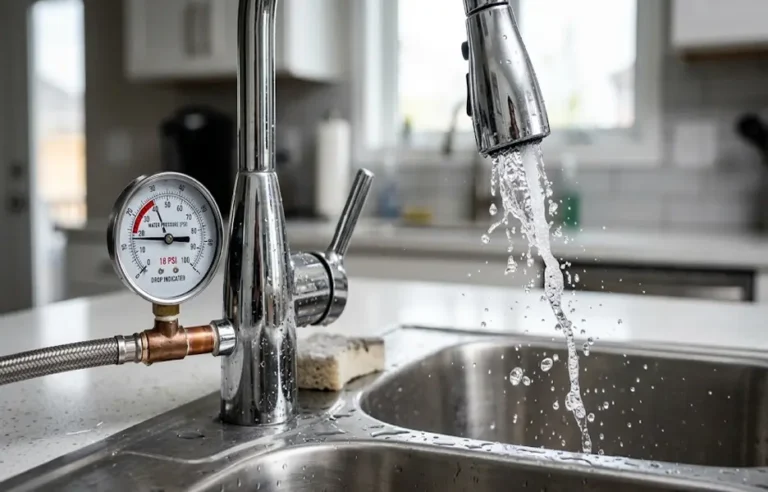
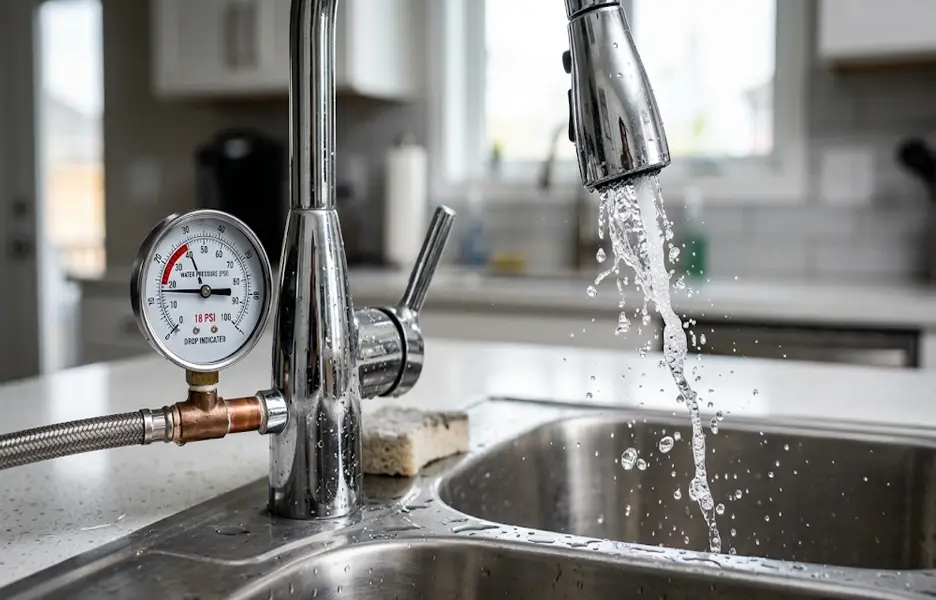
Turning on your kitchen or bathroom faucet should yield an instantaneous, uniform, and quiet stream of water. When opening a fixture produces an explosive burst of pressurized air, erratic coughing, and violent shuddering within wall cavities, homeowners frequently dismiss it as a minor municipal hiccup.
In the Greater Phoenix metropolitan area—including Scottsdale, Mesa, Chandler, and Gilbert—air pockets entering a closed plumbing loop are often the earliest warning sign of a severe subterranean failure. Because residential plumbing operates as a sealed, pressurized system, air cannot spontaneously generate inside copper or polymer lines.
If municipal utilities have not performed nearby hydronic maintenance, trapped air entering your system proves that the hydraulic barrier has been compromised. Below is the engineering breakdown of why sputtering faucets occur, how desert soils accelerate exterior line ruptures, and the diagnostic protocols required to protect your home.
1. The Physics of Trapped Air: How a Subterranean Breach Sucks in Air
A domestic water system is an airtight hydraulic loop engineered to operate under continuous positive pressure (typically between 50 and 75 PSI). As long as internal pressure exceeds ambient atmospheric pressure (14.7 PSI), water stays in and air stays out.
When an underground main service line fractures beneath desert gravel or concrete, two physical stages occur:
Phase 1: High-Pressure Fluid Loss
Water continuously escapes through the breach into surrounding subsoil. During peak household demand or utility flow shifts, line velocity changes rapidly.
Phase 2: Negative Pressure and the Venturi Siphon Effect
When faucets are opened, washing machines fill, or irrigation timers cycle, rapid fluid acceleration across the subterranean crack generates a localized pressure drop. If dynamic pressure dips below atmospheric pressure, the breach acts as a vacuum orifice via the Venturi Effect. Instead of water escaping, exterior air and microscopic soil sediments are sucked directly into the potable water stream.
Once drawn inside, air migrates to the highest elevation in the residence, compressing into air pockets. When a tap opens, this compressed pocket violently decompresses, causing the faucet to cough, spit, and spray erratically.
2. Common Symptoms Accompanying Air in Domestic Water Lines
Air intrusion rarely occurs in isolation. Homeowners facing an active main line failure typically observe several related mechanical anomalies:
Hydraulic Water Hammer & Rattling Pipes: Air pockets compress and decompress unevenly, causing water columns to collide with pipe walls and generate loud banging sounds behind drywall.
Discolored, Murky, or Sandy Water: Siphoning outside air through an underground fissure pulls fine silt, sand, and oxidized minerals into the plumbing, producing brownish or rusty tap water.
Sudden Utility Bill Increases: While air enters the line during draw cycles, pressurized water continuously flows out into the subsoil when fixtures are closed.
Damp Subsoil or Sunken Landscaping: Escaping water saturates desert clay and aggregate, causing surface sinking or soft patches in front yards.
If you suspect an unmitigated underground rupture along your yard or service lateral, explore our guide on how to identify an underground yard leak and irrigation breaks:
https://apsplumbingaz.com/how-to-identify-yard-leak-underground-irrigation/
3. Local Diagnostic Matrix: Main Water Line vs. Localized Fixture Issues
Not every sputtering tap indicates an underground trench excavation. Use this comparison table to differentiate whole-home main breaches from isolated fixture failures:
| Diagnostic Indicator | Underground Main Line Breach | Water Heater Anode Degradation | Municipal Utility Maintenance |
| Affected Fixtures | All hot and cold fixtures across the entire residence. | Strictly hot water faucets; cold water flows smoothly. | Temporary issue affecting the entire neighborhood. |
| Water Clarity | Sandy, silty, or cloudy throughout all taps. | Clear cold water; cloudy or sulfur-smelling hot water. | Brief discoloration clearing within 5 to 10 minutes. |
| Water Meter Activity | Meter rotates continuously when all indoor taps are shut. | Meter remains stationary when fixtures are inactive. | Meter remains stationary during dormant periods. |
| Duration of Air Discharge | Chronic; persists and worsens over several days. | Intermittent; releases during morning hot water draws. | Resolves fully once city lines are purged (within 2 hours). |
The Hot Water Anode Test
If spitting air occurs exclusively when running hot water, the sacrificial aluminum or magnesium anode rod inside your water heater tank may be chemically reacting with sulfate-reducing bacteria, generating trapped hydrogen gas pockets. If coughing occurs across cold taps, the failure resides on the main supply line.
4. Why Phoenix Soils and Water Chemistry Compromise Main Lines
Subterranean water supply lines in Central Arizona face severe mechanical and environmental stresses:
Expansive Caliche & Clay Soil: Prolonged summer heatwaves desiccate surface soil, while sudden monsoon downpours saturate the ground, triggering radical soil expansion. This cyclical ground movement exerts intense shear stress on rigid subterranean copper and PVC connections.
Extreme Mineral Hardness: Groundwater across Maricopa County carries mineral densities averaging 15 to 25+ Grains per Gallon (GPG). Scale accumulation accelerates friction along pipe walls, wearing thin spots in metallic fittings.
Municipal Pressure Volatility: Water utilities frequently pump water across transmission mains at elevated pressures exceeding 85 to 100+ PSI. Excessive baseline pressure weakens aged underground joints.
Understanding how incoming municipal pressure spikes compromise residential plumbing systems is detailed in our diagnostic on residential pressure surges:
https://apsplumbingaz.com/why-arizona-homes-struggle-with-water-pressure-issues/
5. Locating and Isolating the Subterranean Breach
If air continues sputtering from household faucets, execute these forensic diagnostic steps:
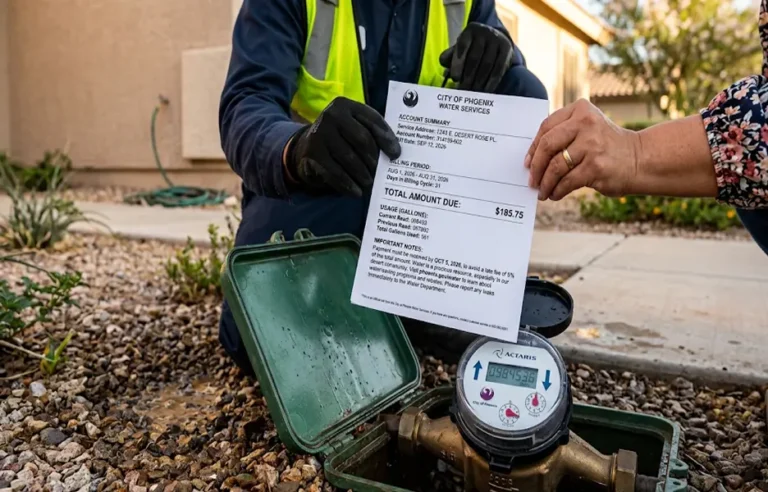
Step 1: Perform the Water Meter Leak Test
Check your city water meter box near the curb. If the low-flow dial or digital LCD indicates active flow while all fixtures are off, water is escaping underground.
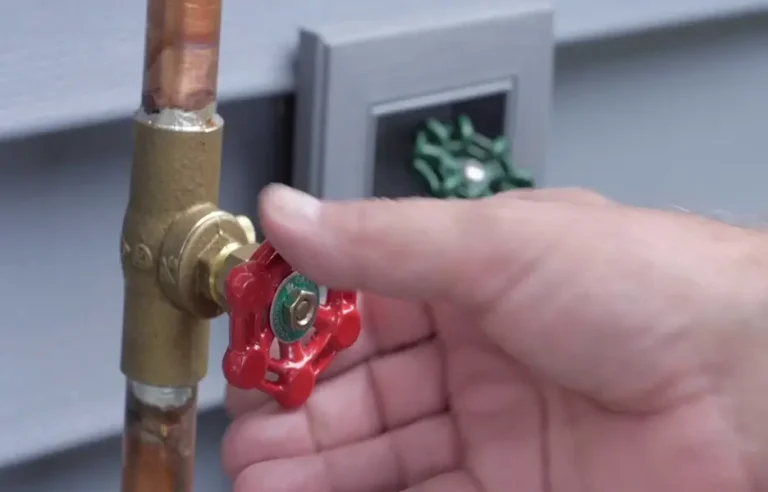
Step 2: Isolate the Main House Cutoff
Shut the main domestic valve on your exterior wall. If the meter stops spinning, the breach is located under your concrete floor slab. If the meter continues to spin, the fracture is located outdoors along the service line between the street meter and your home.
For step-by-step valve location procedures, review our homeowner guide on how to locate your main water shut-off valve in Phoenix:
https://apsplumbingaz.com/how-to-locate-main-water-shut-off-valve-phoenix/
Step 3: Non-Destructive Subfloor Telemetry
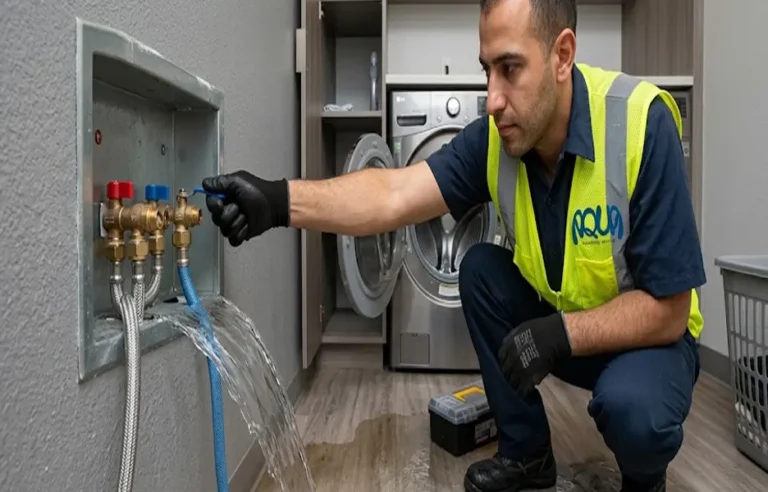
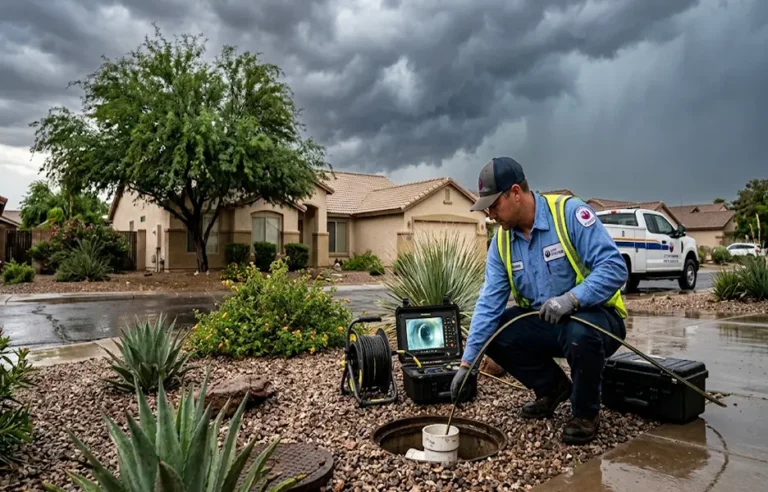
If the leak is confirmed beneath a concrete foundation, avoiding destructive floor demolition is critical. Technicians deploy ultrasonic acoustic sensors and infrared radiometric cameras to identify the exact coordinates of the subterranean failure.
Learn how non-invasive diagnostics pinpoint concealed foundation leaks in our technical guide comparing acoustic leak detection vs thermal imaging:
https://apsplumbingaz.com/acoustic-leak-detection-vs-thermal-imaging/
For full diagnostic specifications regarding foundation line testing, consult our engineering guide on slab leak detection of concrete slabs:
https://apsplumbingaz.com/leak-detection-of-concrete-slabs/
6. Permanent Engineering Solutions
Once an underground main line breach is confirmed, property owners evaluate several permanent repair paths:
Targeted Trenchless or Spot Excavation: If the fracture is localized along an accessible exterior yard run, technicians excavate a clean trench, replace the damaged section with Schedule 40 or Type K copper, and install mechanical transition couplings.
Attic PEX-A Reroute (For In-Slab Failures): When subterranean lines beneath monolithic concrete slabs deteriorate, ongoing spot patching is counterproductive. Licensed plumbers decommission the compromised underground copper lines and install continuous, flexible PEX-A piping through attic spaces. Explore our certified home repiping services in Arizona:
Emergency Water Containment: If a ruptured service line is actively flooding exterior landscaping or undermining driveways, access our 24/7 dispatch for emergency pipe repairs in Arizona:
Structural Renovation Standards: If you are upgrading bathroom fixtures or remodeling living spaces, ensure all supply lines meet current code standards via our renovation plumbing in Arizona:
Frequently Asked Questions: Sputtering Faucets in Phoenix
Q: Can air in the pipes cause pipes to burst?
A: Air itself does not burst pipes, but the sudden compression and decompression of trapped air pockets generates severe hydraulic shockwaves (water hammer). These shockwaves can loosen soldered fittings, crack plastic valve cartridges, and damage appliance solenoid valves.
Q: How do I safely purge air from my plumbing lines?
A: Start at the fixture furthest from your main water shut-off. Open all faucets halfway—both hot and cold—and let them run for 2 to 3 minutes until sputtering stops and water flows smoothly. Flush all toilets once to clear fill valve lines.
Q: Is air in the water lines dangerous to drink?
A: Dissolved air bubbles that make water appear milky or cloudy are harmless oxygen and nitrogen that dissipate quickly. However, if air is entering via an underground pipe breach, dirt, silt, and groundwater bacteria can be siphoned into your drinking supply.
Q: Will a small main line leak fix itself?
A: No. High municipal pressure and continuous water velocity continuously erode pipe walls. A small pinhole or joint fissure will expand over time, leading to sudden ground sinkholes or extensive structural damage.
Eliminate Sputtering Pipes with APS Plumbing
Don’t allow coughing faucets and vibrating pipes to compromise your home’s plumbing infrastructure. Contact the diagnostic and line repair specialists at Aqua Plumbing Services (APS Plumbing) for non-destructive leak detection, main waterline replacements, and pressure calibration across Phoenix, Scottsdale, Mesa, Chandler, and Gilbert.
Schedule your main line diagnostic inspection today: