When autumn arrives in Mesa and across the East Valley, daily life transitions from air-conditioned indoor living directly to the backyard. With evening temperatures cooling down into the 60s and 70s, back patios become the central hub for weekend entertaining, family dinners, and evening relaxation around the fire. However, after sitting idle through months of 115°F desert summer heat and seasonal monsoon dust storms, your outdoor cooking appliances and natural gas infrastructure need a comprehensive safety inspection before the entertaining season kicks off. Ensuring that your patio gas line in Mesa, AZ is properly sized, clear of debris, and leak-free guarantees effortless, safe gatherings all season long.
Outdoor kitchens and fire features place significant fuel demands on your residential gas supply. Undersized branch lines, dried-out rubber flex hoses, and insect-clogged burner orifices can compromise appliance performance or create dangerous gas pockets beneath counter enclosures. Below is the licensed plumber’s technical guide to preparing outdoor kitchens, fire tables, and patio gas lines for fall in the Sonoran Desert.
1. Post-Summer Debris and Orifice Inspection
Arizona summers subject outdoor appliances to fine silica dust from haboobs, intense UV degradation, and aggressive insect nesting. Inspect these common trouble spots before striking the first ignition:
- Spider and Mud Dauber Nests: Spiders and native mud daubers are naturally attracted to the scent of mercaptan (the odorant added to natural gas). During the summer, they frequently build dense web clusters and mud nests inside venture tubes, burner ports, and fire pit burner rings, obstructing the air-fuel mixture and causing flare-ups or delayed ignition.
- Degraded Flexible Stainless Connectors: While underground fuel runs utilize yellow polyethylene (PE) pipe, the final hookups inside BBQ islands typically use corrugated stainless steel or coated flex connectors. Prolonged summer heat can dry out rubber seating washers and degrade protective coatings, making connections prone to micro-leaks.
- Island Ventilation Clearance: Built-in BBQ islands and outdoor cabinets require high- and low-level venting to prevent natural gas or liquid propane from accumulating inside hollow cabinetry in the event of an unnoticed valve leak. Ensure that exterior vent louvers are completely free of leaves, desert dirt, and rodent nests.
2. Sizing Gas Lines for Outdoor Kitchens and High-BTU Fire Pits
One of the most frequent problems Mesa homeowners experience when running multiple patio features simultaneously is fuel starvation. When an outdoor kitchen grill, side burner, and gas fire pit fire up at the same time, an undersized branch line cannot supply adequate volume:
- Calculating Simultaneous BTU Load: A premium 42-inch built-in grill consumes 60,000 to 90,000 BTUs per hour; a dual side burner adds 30,000 BTUs; and a decorative fire pit burner ring typically requires between 60,000 and 150,000 BTUs. Running a single 1/2-inch gas pipe across a 60-foot backyard run results in heavy pressure drop, causing yellow lazy flames, whistling gas regulators, and burners that blow out in light breezes.
- Upgrading to 3/4-Inch or 1-Inch Trunk Lines: For extensive patio layouts in Mesa and Chandler, code-compliant plumbing design requires running a dedicated 3/4-inch or 1-inch underground polyethylene line directly from the primary gas meter, branching off via individual anodeless risers to each outdoor appliance.
- Dedicated Appliance Isolation Valves: City of Mesa plumbing regulations mandate an individual, easily accessible quarter-turn manual shutoff valve for every outdoor gas appliance within 6 feet of the unit, allowing isolated service without shutting down the main house meter.
3. Outdoor Kitchen Plumbing: Sinks, Drains, and Winterizing Water Feeds
In addition to gas distribution, functional outdoor kitchens incorporate cold water prep sinks, bar taps, and dedicated drainage. These water feeds require fall preparation to avoid mid-winter issues:
- Flushing Stagnant Water Lines: Water that has sat motionless in shallow outdoor plumbing runs during the summer months becomes stale and can build up mineral scale. Run outdoor faucets for several minutes to clear lines before using them for food preparation.
- Drainage Vent & Grease Interceptor Check: Outdoor sink drain lines connected to household sewers must have operational atmospheric vents and clean traps to prevent sewer gas backdraft into outdoor dining zones.
- Pre-Winter Shutoff Planning: Ensure your outdoor sink’s water supply includes an interior or garage isolation valve with a drain waste bleeder so the supply line can be depressurized if an unseasonal hard frost warning occurs later in the season.
Before firing up high-output patio equipment for the fall season, having licensed technicians evaluate your layout through comprehensive residential gas piping installation and testing in Arizona ensures your outdoor living space complies with all regional safety and mechanical codes.
Frequently Asked Questions: Mesa Patio Plumbing & Gas Lines
Q: Do I need a separate gas shutoff valve for each outdoor patio appliance in Mesa?
A: Yes. Per the City of Mesa building code and IFGC standards, every individual gas appliance—including built-in grills, side burners, and gas fire features—must have an accessible, dedicated manual shutoff valve located within 6 feet of the fixture.
Q: Can an outdoor gas line in Arizona become clogged during the summer months?
A: Yes. Mud daubers, desert spiders, and fine haboob dust frequently nest inside burner orifices, air shutters, and pilot tubes of outdoor grills and fire pits during dormant summer periods, creating fuel blockages and yellow, soot-producing flames.
Q: What is the required burial depth for an underground gas line in Mesa?
A: In the City of Mesa, underground polyethylene (PE) gas lines must typically be buried at a minimum depth of 12 to 18 inches below grade, accompanied by an insulated copper tracer wire and yellow warning tape installed above the pipe.
4. Code-Compliant Backyard Living with APS Plumbing AZ
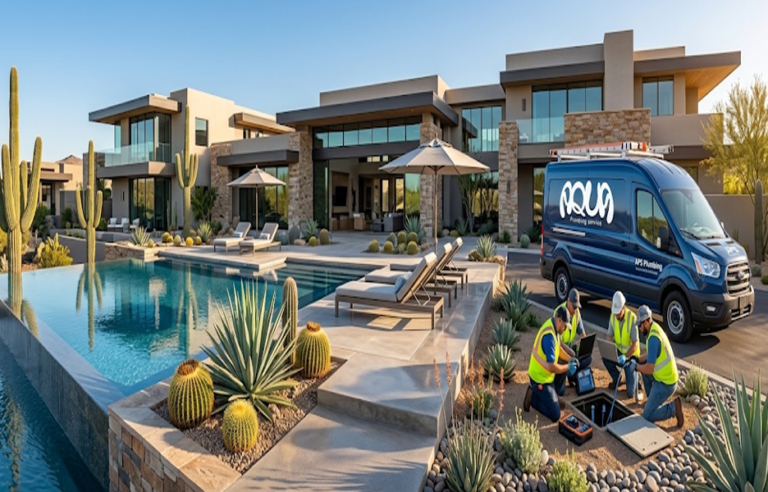
Whether you are installing a custom fire pit, extending an existing gas run to an outdoor barbecue island, or need a pre-season pressure test, APS Plumbing (Aqua Plumbing Services LLC) provides ROC-licensed outdoor kitchen plumbing, underground trenching, and gas line installation across Mesa, Chandler, Gilbert, Phoenix, Scottsdale, and Tempe.