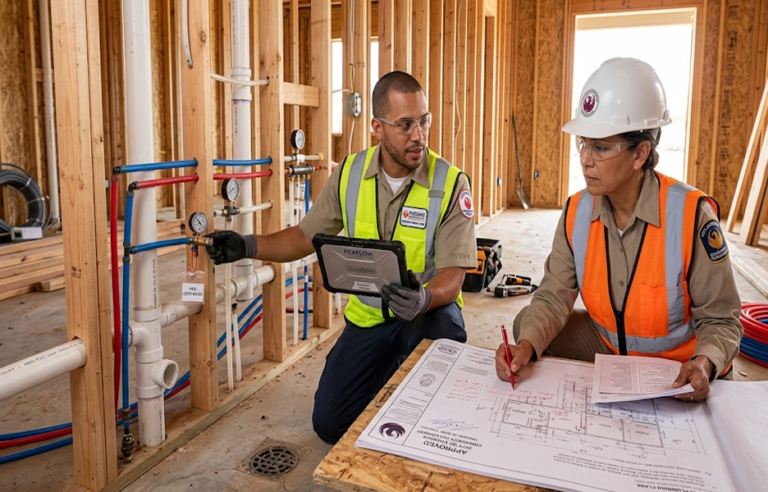
While the Sonoran Desert is famous for triple-digit summer heat, winter nights in Maricopa County present a sudden hazard that catches thousands of Arizona homeowners unprepared: overnight desert freezes. Temperatures in Phoenix, Scottsdale, Mesa, and the East Valley regularly dip into the upper 20s and low 30s between November and February. Unlike homes in northern climates where water lines run deep below the frost line or through heated basements, desert construction places domestic supply lines, hose bibbs, and irrigation systems completely above ground. Implementing proper arizona pipe freeze protection before the first freeze warning is critical to preventing catastrophic pipe bursts.
When standing water inside an uninsulated exterior pipe freezes, it expands by approximately 9%. This expansion generates thousands of pounds of hydrostatic pressure per square inch, splitting copper tubing, fracturing cast brass valves, and flooding yards. Understanding how to properly insulate outdoor pipes in Phoenix shields your plumbing system from unexpected cold snaps.
1. The High-Risk Vulnerabilities of Desert Freeze Plumbing
Because residential construction across the Valley prioritizes heat dissipation over freeze resistance, desert freeze plumbing risks center around several exposed exterior fixtures:
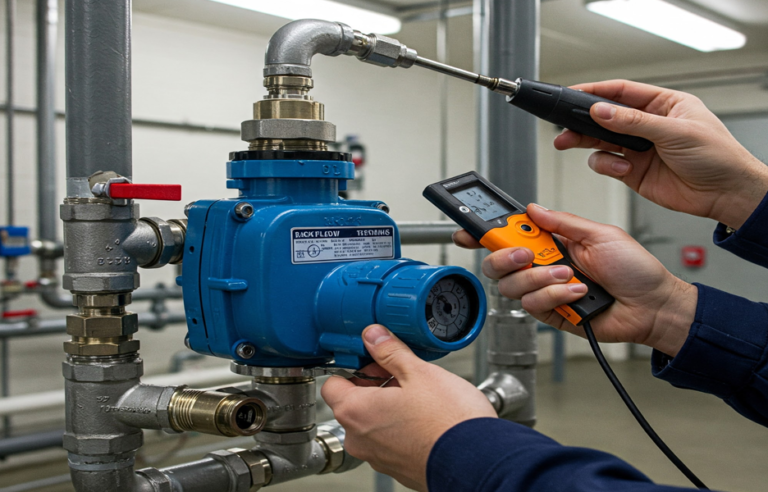
- Above-Ground Backflow Prevention Assemblies: Pressure Vacuum Breakers (PVB) and Reduced Pressure Zone (RPZ) devices sit completely exposed near front sidewalks or property lines. These expensive brass valves have thin internal check seats that crack instantly under minimal ice expansion.
- Exterior Hose Bibbs (Spigots): Hose bibbs mounted directly onto exterior stucco walls lead straight into domestic wall cavities. An uninsulated spigot transfers freezing outdoor temperatures directly into internal copper piping, triggering wall leaks.
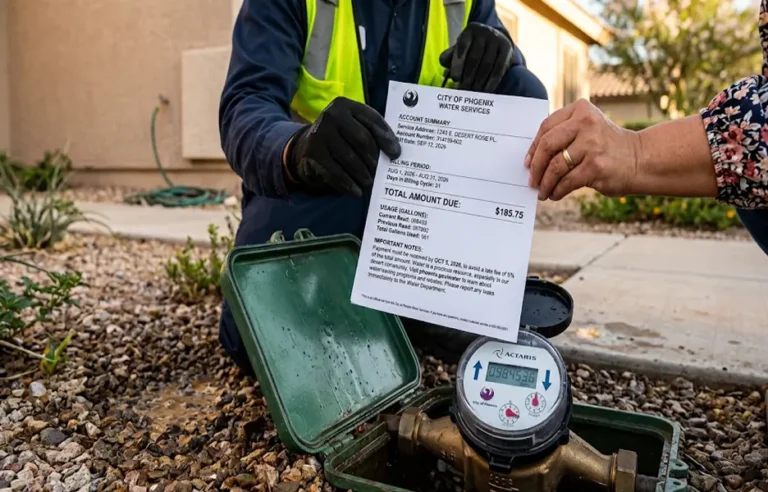
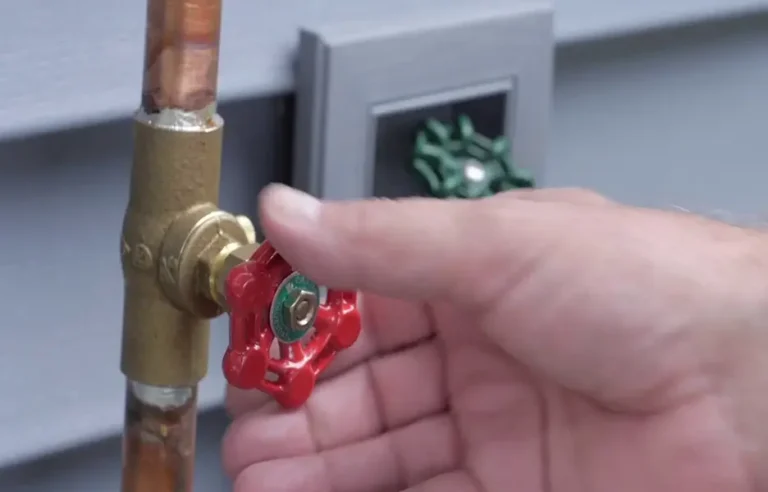
- Main Water Shutoff & Pressure Reducing Valves (PRV): Most homes built before 2015 feature their main shutoff valve and PRV exposed on an exterior front or side wall rather than inside an interior utility closet.
- Landscape Drip & Pool Auto-Fill Lines: Exposed PVC and polyethylene lines become brittle in dry desert air, making them highly susceptible to fractures when water crystallizes inside.
2. Step-by-Step: How to Insulate Outdoor Pipes in Phoenix
Taking proactive measures before nighttime temperatures drop below 35°F ensures total freeze defense across your property:
Step 1: Disconnect All Garden Hoses Immediately
Leaving a garden hose connected to an exterior spigot traps water inside the valve body. Even if the hose is empty, water remains pressurized behind the nozzle stem. Disconnect, completely drain, and coil all garden hoses before nighttime temperatures drop.
Step 2: Install Insulated Faucet Socks
Purchase heavy-duty foam or insulated fabric hose bibb covers (often referred to as faucet socks). Slide the cover over the spigot and cinch the drawstring tightly against the exterior stucco. For maximum protection, wrap the neck of the faucet with waterproof closed-cell insulation tape before placing the cover.
Step 3: Cover Backflow Assemblies with R-Value Rated Thermal Pouches
Never wrap an outdoor backflow valve with thin plastic garbage bags; plastic traps moisture and accelerates ice formation. Instead, install an insulated backflow cover pouch featuring water-resistant outer fabric and a thick fiberglass insulation core. If a hard freeze is predicted tonight and you lack a specialized pouch, wrap the brass assembly tightly in thick cotton bath towels and seal them with heavy-duty duct tape as a temporary shield.
Step 4: Insulate Exposed Copper in Garages & Water Heaters
Water heater lines running along unconditioned garage exterior walls require closed-cell polyethylene foam tubes (foam pipe noodles). Slit the foam lengthwise, slip it over the hot and cold copper lines, and seal the joints with high-adhesion pipe insulation tape.
3. Immediate Actions If an Exterior Pipe Freezes
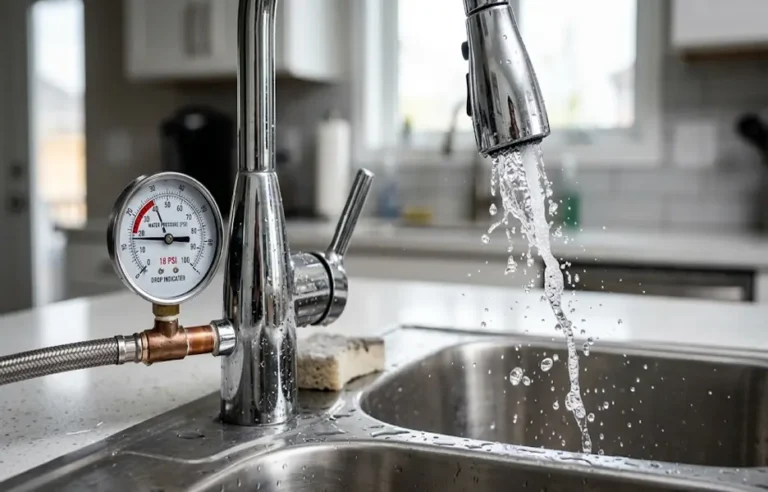
If you turn on your faucet on a cold desert morning and only get a slow trickle or hiss, a section of your plumbing has likely frozen. Take these immediate containment steps:
- Keep the Affected Faucet Open: As ice inside the line melts, flowing water relieves internal pressure and accelerates the clearing of the blockage.
- Locate Your Main Water Shutoff: Know the exact location of your master house valve. If a frozen pipe ruptures upon thawing, shutting off the water supply within seconds prevents devastating structural damage.
- Thaw Gently with Controlled Warmth: Wrap the frozen exterior line with warm wet towels or use a handheld hair dryer set to medium heat. Never use open flames, propane torches, or heat lamps on plumbing lines.
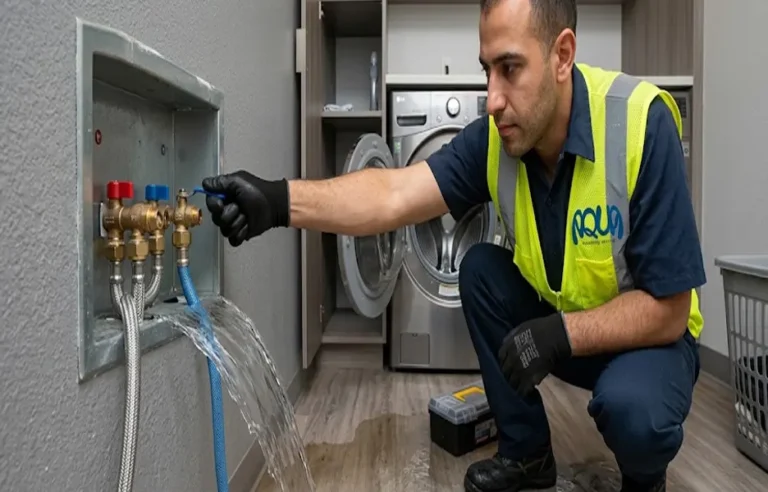
If you discover active fractures, spraying water, or ice bulging along copper joints, shut off the master valve and schedule 24/7 emergency pipe repair services immediately.
Frequently Asked Questions: Arizona Pipe Freeze Protection
Q: At what temperature do pipes freeze in Phoenix, Arizona?
A: Exterior pipes and above-ground brass backflow assemblies in Phoenix begin freezing when ambient desert temperatures drop to 32°F (0°C) or below for four consecutive hours, especially under clear, windy night skies.
Q: What is the best way to insulate outdoor pipes in Phoenix?
A: Use closed-cell polyethylene foam insulation tubes sealed with weather-resistant pipe tape for exposed copper runs, heavy-duty insulated fabric socks for hose bibbs, and an R-value rated fiberglass pouch for brass backflow valves.
Q: Does letting a faucet drip protect pipes during a desert freeze?
A: Yes. Allowing a small, steady trickle of water from the fixture furthest from your water entrance keeps water moving, relieving hydrostatic pressure and preventing localized ice dams from rupturing copper lines.
4. Reliable Winter Plumbing Protection with APS Plumbing AZ
Avoid the disruption and expense of burst copper pipes and cracked backflow valves this winter. At APS Plumbing (Aqua Plumbing Services LLC), our ROC-licensed technicians deliver comprehensive seasonal inspections, backflow insulation retrofits, and 24/7 emergency pipe repair across Phoenix, Scottsdale, Mesa, Chandler, Gilbert, and Tempe.