Lead Pipes in Old Phoenix Homes: The 2026 Detection and Replacement Guide
In historic and mid-century neighborhoods across the Greater Phoenix metropolitan area—including Coronado, Encanto-Palmcroft, F.Q. Story, Willo, and older sections of Tempe and Mesa—residential architecture holds timeless southwestern appeal. However, beneath the plaster walls and within historic monolithic foundations lies a hidden public health concern: aging potable water service infrastructure.
Under the Environmental Protection Agency’s (EPA) Lead and Copper Rule Improvements (LCRI), public awareness surrounding heavy metal exposure in residential drinking water has reached unprecedented heights. While the City of Phoenix proactive utility programs have verified that municipal transmission mains are lead-free, private water service lines, internal plumbing, and galvanized lines installed before modern building codes present real contamination risks.
Lead is an aggressive neurotoxin with no safe exposure threshold in humans, contributing to developmental delays in children and cardiovascular complications in adults. Below is the 2026 technical guide for Arizona homeowners on identifying legacy lead and galvanized lines, performing physical metallurgical tests, navigating city inventory databases, and planning whole-home pipe replacement.
1. Historical Timeline: How Lead Entered Phoenix Plumbing
Understanding when your home was built provides immediate insight into your mechanical vulnerability profile:
| Construction Era | Municipal & Structural Context | Primary Pipe Materials Utilized | Lead Leaching Risk Profile |
| Pre-1938 | Early territorial and agricultural development in Central Phoenix. | Pure lead service lines, galvanized iron. | High: High risk of lead service laterals or legacy lead fittings. |
| 1938 – 1977 | Rapid post-WWII housing boom across Central Phoenix and East Valley. | Galvanized steel, unshielded copper. | Moderate to High: Galvanized lines trap lead scale; lead-based solder used on copper. |
| 1977 – 1986 | City of Phoenix adopts strict municipal lead pipe prohibitions (1977). | Copper tubing with lead-tin solder alloys (50/50). | Moderate: Pipes are copper, but joints feature high-lead solder seams. |
| Post-1988 | Federal Safe Drinking Water Act Lead Ban fully enforced statewide. | Rigid copper, early CPVC, modern PEX. | Negligible: Certified lead-free domestic plumbing materials mandated by code. |
While the City of Phoenix officially discontinued utility-side pure lead service connections in 1938, private property lines installed by independent developers prior to the national 1986 Safe Drinking Water Act amendments frequently incorporated lead goose-necks, lead-tin solder, and galvanized iron pipes.
2. The Danger of “Galvanized Requiring Replacement” (GRR)
Many homeowners assume that because their visible pipes are magnetic iron or steel rather than soft lead, their drinking water is completely safe. In historical Arizona plumbing, this is a dangerous misconception:
The Heavy Metal Sponge Effect
Galvanized steel pipes are zinc-coated iron conduits widely installed across Phoenix between the 1940s and 1970s. Decades of exposure to Central Arizona’s mineral-rich water cause internal zinc coatings to corrode, leaving a rough, flaking iron interior.
If a galvanized line was ever connected downstream of a historic lead service neck or municipal lead connection, the porous iron rust acts as a chemical sponge, absorbing dissolved lead molecules over decades. When water chemistry shifts or hydraulic pressure fluctuates, this rust scale sloughs off, releasing elevated spikes of lead and heavy metals directly into kitchen taps.
To understand how incoming utility pressure surges shock internal pipe scale and rupture weakened plumbing runs, review our technical diagnostic on residential water pressure issues:
https://apsplumbingaz.com/why-arizona-homes-struggle-with-water-pressure-issues/
3. Physical Diagnostic Tests: How to Inspect Your Water Lines
Homeowners can physically evaluate their incoming water service line where it enters the home’s exterior wall or garage using three non-invasive mechanical tests:
[Service Pipe Scratch Test] ---> Dull Gray & Soft? (Lead)
                            ---> Dull Silver & Hard/Magnetic? (Galvanized Steel)
                            ---> Penny Bronze? (Copper)
1. The Scratch Test
Locate the main service pipe entering your foundation prior to the shut-off valve. Using a flathead screwdriver or key, gently scratch the outer surface of the pipe down to bare metal:
Lead: The metal is extremely soft and scratches easily, revealing a shiny, bright silver color beneath the tarnish.
Galvanized Steel: The metal is exceptionally hard; a screwdriver will barely scratch the surface, revealing a dull silver-gray tone.
Copper: The scratch reveals a bright, metallic copper penny color.
Plastic / PEX: The material is colored blue, red, or white polymer.
2. The Magnet Test
Place a strong neodymium magnet against the pipe:
If the magnet sticks firmly, the pipe is galvanized steel or cast iron.
If the magnet does not stick, the pipe is lead, copper, brass, or polymer.
3. The Thread & Joint Inspection
Inspect the pipe fittings:
Lead pipes do not have threaded screw connections. Where lead connects to brass valves or iron pipes, it features a distinctive, bulbous wiped solder seam (often called a “swollen collar”).
Galvanized lines feature standard threaded male and female screw fittings.
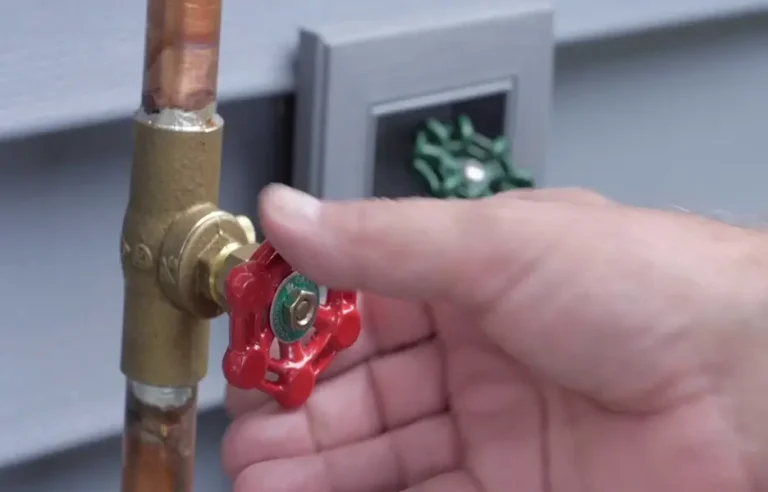
For step-by-step assistance locating your incoming water service entrance, follow our homeowner guide on how to locate your main water shut-off valve in Phoenix:
https://apsplumbingaz.com/how-to-locate-main-water-shut-off-valve-phoenix/
4. Water Testing Protocols: First-Draw vs. Purged Sampling
Physical pipe inspection does not identify lead leaching from hidden solder joints behind drywall. Accurate chemical testing requires certified laboratory analysis:
The 6-Hour Stagnation Rule: Water must sit completely undisturbed inside the plumbing network for a minimum of 6 hours (typically overnight) before sampling. Do not run taps, flush toilets, or run irrigation during this window.
First-Draw Bottle (Fixture & Solder Verification): Immediately upon opening the kitchen tap in the morning, capture the first liter of cold water into an EPA-certified testing bottle. This sample measures lead leaching directly from the faucet fixture, angle stop, and nearby soldered copper joints.
Flushed Bottle (Service Line Verification): Let the water run cold for 2 to 3 minutes until a noticeable temperature drop occurs, indicating fresh water has arrived from the buried street line. Capture a second sample to analyze heavy metal presence in the underground yard service lateral.
If you suspect underground service piping between your meter and foundation has fractured, review our field diagnostic on how to identify an underground yard leak and irrigation breaks:
https://apsplumbingaz.com/how-to-identify-yard-leak-underground-irrigation/
5. Modern Engineered Replacement: PEX-A Rerouting
When lead or galvanized piping is confirmed in an older Phoenix property, partial spot repairs are prohibited by modern engineering standards. Splicing modern copper onto aging lead or galvanized lines creates dielectric reactions that dramatically accelerate galvanic corrosion, rapidly releasing heavy metals into the water.
The Attic PEX-A Overhead Conversion (The 2026 Gold Standard)
Because historic Phoenix homes are constructed on unreinforced concrete slabs, trenching through original hardwood or vintage tile flooring is structurally and financially destructive.
The engineered modern solution is a whole-home overhead PEX-A reroute:
Exterior Meter Tie-In: A new, trenchless high-density polyethylene (HDPE) or Type-K copper service line is pulled underground from the city meter to the home perimeter.
Attic Distribution Loop: Technicians route continuous, joint-free PEX-A piping overhead through attic framing. PEX-A is 100% lead-free, scale-resistant, and chemically impervious to Arizona hard water.
Decommissioning Subterranean Lines: Failing galvanized and lead lines beneath the concrete floor are isolated, drained, and permanently abandoned in place, preserving historic architectural floorings.
To evaluate material performance under desert attic conditions, read our comparative engineering analysis on the best plumbing pipe material for Phoenix heat (PEX vs. Copper):
https://apsplumbingaz.com/best-plumbing-pipe-material-phoenix-heat-pex-vs-copper/
For a comprehensive breakdown of whole-home polymer modernizations, explore our certified home repiping services in Arizona:
https://apsplumbingaz.com/home-repiping-arizona/
6. Permitting, Testing & Regulatory Compliance
Executing a full water service lateral or whole-building repiping project in Phoenix requires strict adherence to municipal safety codes:
Permits Are Mandatory: The City of Phoenix Planning & Development Department mandates permits for whole-home water line replacements and service lateral trenching.
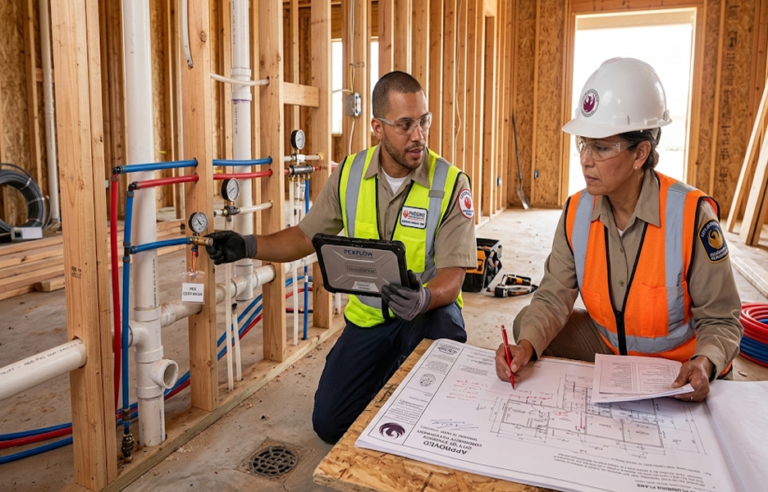
Rough-In & Static Pressure Inspections: Municipal inspectors verify pipe bedding depth, structural fire-caulking through wall framing, and witness a 15-to-30-minute static pressure decay test before permits are closed.
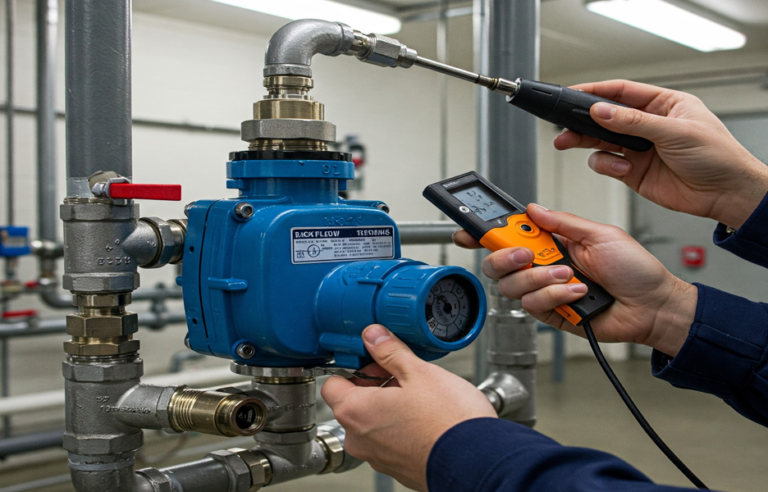
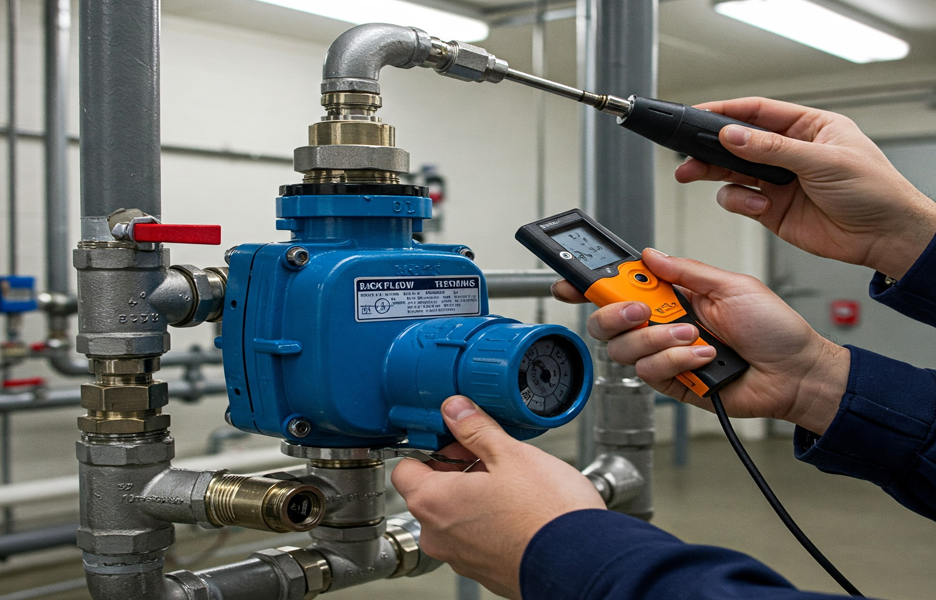
Backflow Isolation: Upgraded lines must feature approved backflow preventers to protect drinking water from exterior irrigation connections.
Learn more about licensing compliance and municipal inspection workflows in our guide to plumbing permits in Maricopa County:
https://apsplumbingaz.com/plumbing-permits-maricopa-county-legal-safety-guide/
If foundation water lines have breached beneath your historic slab, learn how technicians pinpoint leaks without exploratory demolition using acoustic leak detection vs thermal imaging:
https://apsplumbingaz.com/acoustic-leak-detection-vs-thermal-imaging/
For full diagnostic procedures on in-slab foundation testing, review our engineering guide on slab leak detection of concrete slabs:
For sudden pipe ruptures requiring immediate emergency water extraction and line isolation, contact our 24/7 crew for emergency pipe repairs in Arizona:
If you are remodeling a historic kitchen or bath, review certified rough-in standards at renovation plumbing in Arizona:
Frequently Asked Questions: Lead Pipes in Phoenix
Q: Does boiling tap water remove lead?
A: No. Boiling water does not eliminate lead; in fact, it makes the contamination worse. As water evaporates during boiling, the concentration of heavy metals in the remaining water increases. Only certified reverse osmosis systems or specialized kinetic water filters remove dissolved lead.
Q: How can I check if the City of Phoenix has records of my service line?
A: Homeowners can consult the official City of Phoenix Lead Service Line Inventory interactive database online. Following federal LCRR mandates, Phoenix cataloged over 480,000 service connections. If your line is categorized as “Unknown” or “Galvanized Requiring Replacement (GRR),” the city provides guidance for onsite metallurgical verification.
Q: What should I do immediately if I suspect lead in my drinking water?
A: While planning pipe replacement, run your kitchen tap on cold for 2 to 3 minutes before drawing drinking or cooking water to flush stagnant water from the lines. Always use cold tap water for cooking and baby formula, and clean faucet aerator screens monthly to remove trapped metal flakes.
Q: Will whole-home water softeners remove lead from drinking water?
A: Standard ion-exchange water softeners are engineered to remove calcium and magnesium hard water minerals, not dissolved lead. To ensure drinking water purity at the tap, homeowners should install an NSF/ANSI 58 certified Reverse Osmosis (RO) drinking system paired with whole-home repiping.
Secure Pure, Lead-Free Water with APS Plumbing
Protect your family and enhance your historic home’s structural equity. Contact the licensed repiping and water infrastructure specialists at Aqua Plumbing Services (APS Plumbing) for onsite metallurgical pipe evaluations, non-invasive slab diagnostics, and turnkey PEX-A repiping across Phoenix, Scottsdale, Mesa, Tempe, and Chandler.
Schedule your residential pipe safety evaluation today: