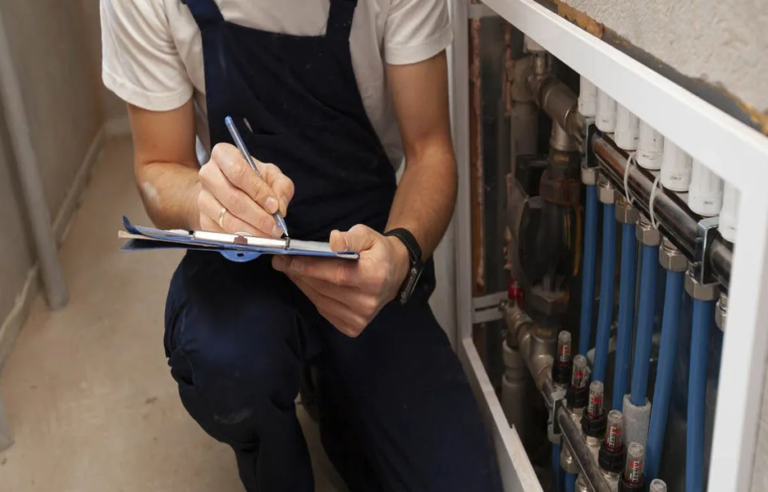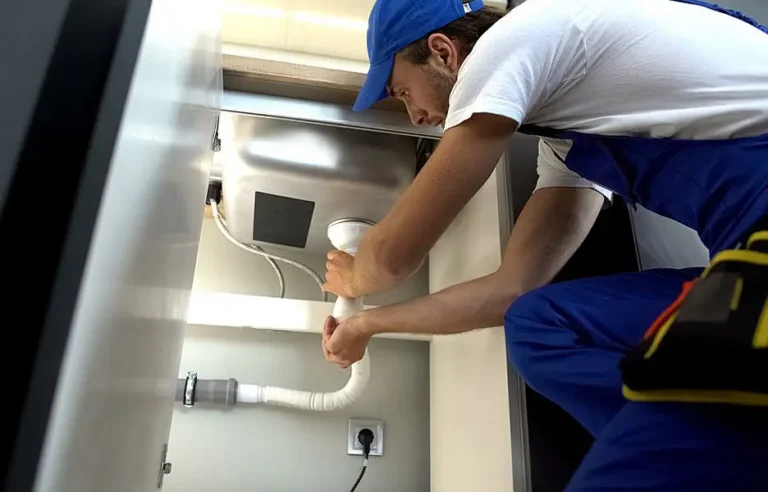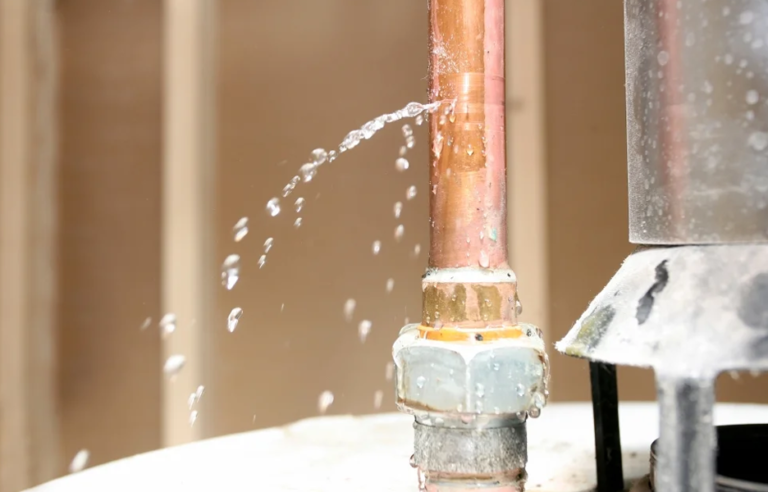
During an active plumbing crisis—such as a ruptured slab line, a split water heater tank, or a catastrophic fixture supply blowout—seconds dictate the difference between minor mopping and tens of thousands of dollars in structural drywall, flooring, and cabinetry restoration. In desert communities across the Greater Phoenix metropolitan area, including Scottsdale, Mesa, Chandler, and Gilbert, water damage escalates rapidly due to high municipal flow pressures.
Because Southwestern residences are engineered on monolithic concrete slabs rather than over basements or deep crawlspaces, the architectural layout of domestic water shut-off valves in Arizona differs substantially from homes in northern and midwestern regions.
When pressurized water is flooding your living spaces, your first and most vital action is killing the water supply at the source. Below is the homeowner diagnostic guide to rapidly finding, operating, and shutting off your main water valve across Phoenix residences.
1. The Three Primary Main Water Shut-Off Locations in Phoenix Homes
Depending on the construction year, neighborhood development codes, and recent plumbing modernizations, your home’s primary shut-off control will be located in one of three primary areas:
Location 1: The Exterior Building Wall (Most Common in Post-1980 Builds)
In modern Phoenix subdivisions, the domestic water supply line emerges directly from the subgrade soil and runs upward along the exterior wall before entering the home’s framing.
- Where to look: Walk the exterior perimeter of the home facing the street. Inspect the front wall, the exterior garage side-yard wall, or near the outdoor hose spigot.
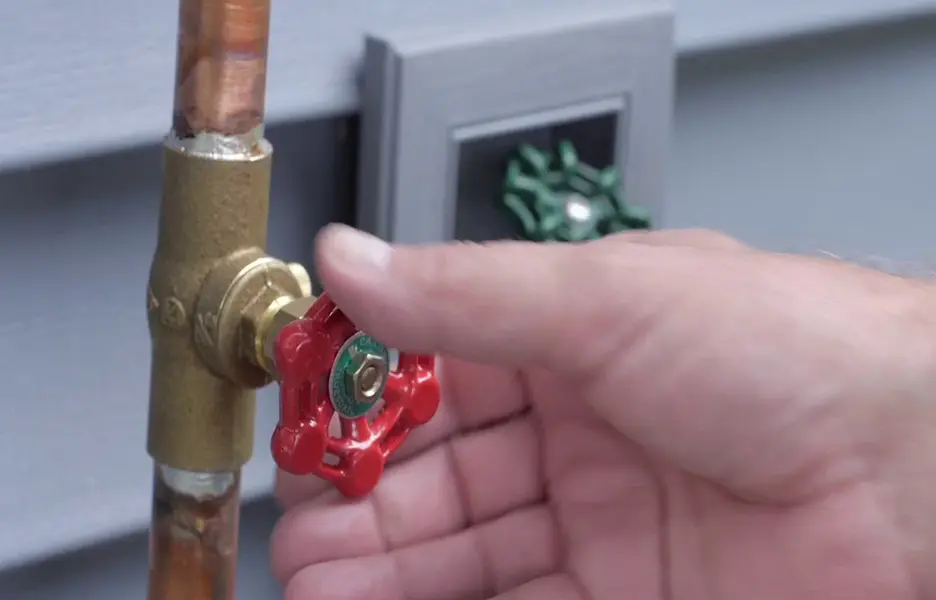
- Visual identification: Look for an exposed copper or PVC riser entering an exterior wall penetration. You will typically see a shut-off valve paired with a bell-shaped brass Pressure Reducing Valve (PRV) and an outdoor hose bib.
Location 2: Inside the Garage or Water Heater Mechanical Enclosure
In many two-story floor plans, custom residences, or patio homes, the primary domestic isolation valve is located inside an unconditioned garage or dedicated mechanical closet.
- Where to look: Inspect the wall directly adjacent to your water heater or whole-home water conditioning array.
- Visual identification: Trace the primary cold-water line rising from the concrete floor prior to splitting into the water heater intake. You will find a dedicated inline valve controlling the entire residence before branch distribution occurs.
Location 3: The Municipal Water Meter Box (Street Curb Stop)
If the house-side valve is corroded shut, broken, or submerged under floodwater, the ultimate isolation point is the municipal curb stop box.
- Where to look: Locate the rectangular concrete, cast-iron, or composite polymer box set flush into the front sidewalk, gravel landscaping, or parkway near the street edge.
- Accessing the box: Carefully lift the lid (watching for desert pests such as black widows or scorpions). Inside sits the city water meter, a brass municipal ball or gate valve, and the homeowner cut-off.
2. Operating Your Valve: Ball Valves vs. Gate Valves
Identifying your valve mechanism prevents accidental pipe shearing during a panic:
| Valve Characteristic | Quarter-Turn Ball Valve (Modern Standard) | Multi-Turn Gate Valve (Legacy Standard) |
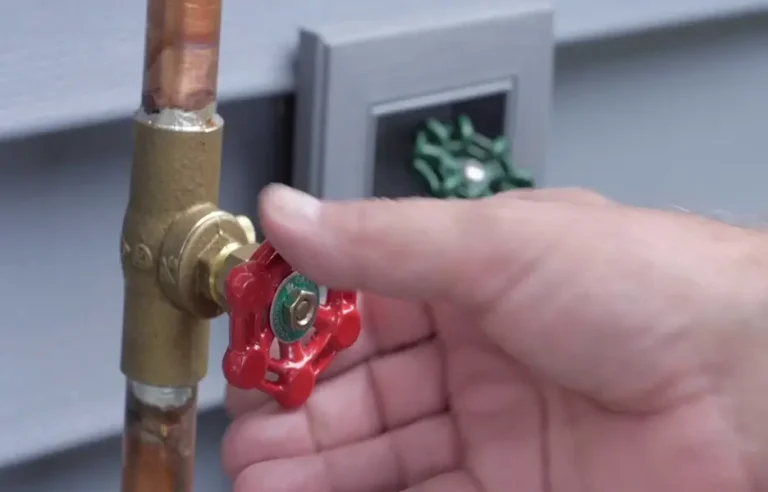
| Visual Appearance | A straight lever handle (often coated in blue, red, or yellow vinyl). | A round wheel handle resembling an outdoor garden hose knob. |
| Operational Mechanism | Internal perforated brass sphere rotating 90 degrees. | Internal brass wedge descending vertically into a valve seat. |
| How to Shut Off | Turn the lever 90 degrees perpendicular to the pipe orientation. | Turn the wheel clockwise repeatedly (“Righty-Tighty”) until fully seated. |
| Failure Risk in AZ | Extremely low; resilient against calcium scale jamming. | High; internal brass stems frequently snap or seize from mineral build-up. |
If you have an older gate valve that feels stiff, never force it with a wrench. High Arizona water hardness causes calcium to weld gate valve threads. Forcing an aged wheel can sheer the stem, leaving the valve stuck halfway open or triggering a high-pressure blowout.
3. How to Shut Off Water at the City Meter Box
If you must isolate water at the street curb:
- Acquire a Water Meter Key: This 3-to-5-foot steel T-handle wrench features a slotted end engineered to straddle the raised brass valve tab. (Keep one stored in your garage or utility shed).
- Locate the Directional Arrow: The valve tab features an arrow indicating flow direction.
- Turn 90 Degrees Clockwise: Slip the slotted end of the curb key over the brass valve lug. Rotate the T-handle one-quarter turn clockwise until the padlock holes on the valve align. When aligned, the water is 100% shut off.
- Emergency Improvised Tools: If you do not own a meter key, use a pair of heavy-duty adjustable Channel Lock pliers paired with a large flathead screwdriver inserted across the plier handles for rotational leverage.
4. Immediate Steps to Take After Shutting the Main Valve
Stopping the incoming water supply stops incoming municipal flow, but pressurized water remains trapped within your home’s vertical pipe risers and attic runs.
- Depressurize the Plumbing System: Open an outdoor garden spigot at ground level and the lowest indoor cold-water sink faucet. This drains the remaining trapped volume out of the lines and diverts pressure away from the rupture.
- Open Highest Elevation Taps: Open upstairs bathroom faucets to break the vacuum lock and allow internal lines to clear completely.
- De-energize Water Heating Equipment: If you shut off the domestic water main, immediately switch off the circuit breaker for electric water heaters or turn the gas control valve to “Pilot” on natural gas storage tanks. Operating heating elements without water pressure can burn out electric elements or crack tankless heat exchangers.
5. Identifying the Root Cause: What Caused the Sudden Rupture?
Once incoming flow is contained, identifying why the failure occurred prevents secondary blowouts:
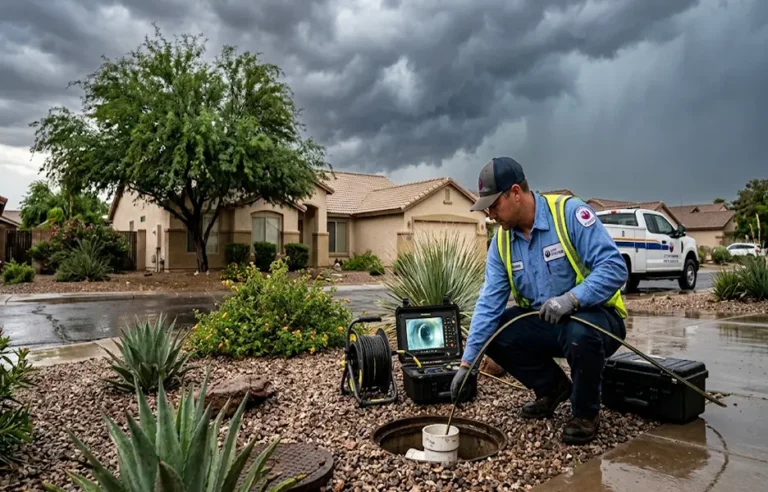
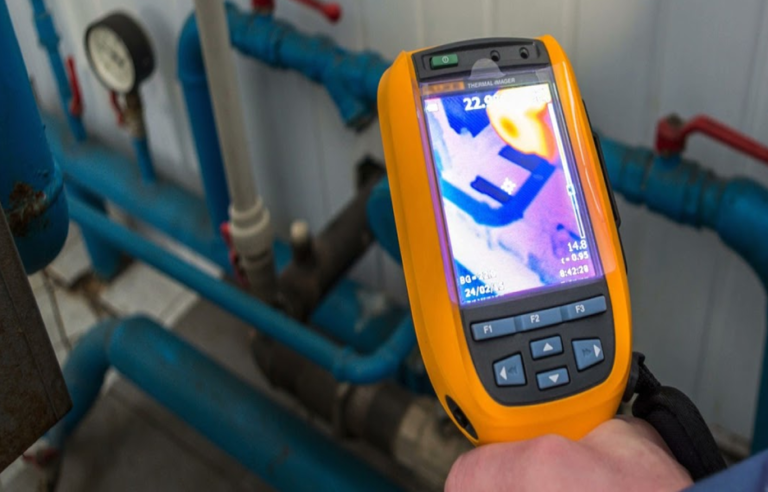
- Subterranean Slab Leaks: If your water meter continues spinning while all internal fixtures are dormant, or you notice warm floorboards, a subterranean line has ruptured below your concrete foundation. Review our non-invasive diagnostic breakdown comparing acoustic listening tools and infrared thermal cameras at https://apsplumbingaz.com/acoustic-leak-detection-vs-thermal-imaging/ .
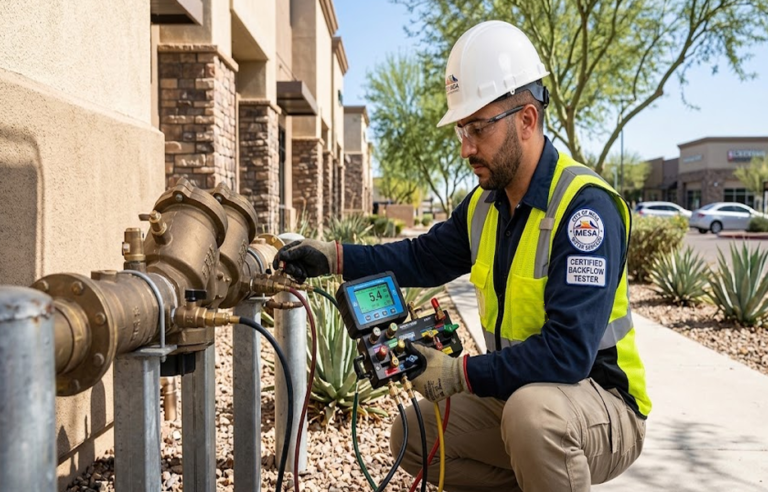
- Municipal Pressure Spikes: Water utilities across Maricopa County frequently pump water above 85 to 100+ PSI. When your exterior Pressure Reducing Valve (PRV) fails, this uncontrolled hydraulic force ruptures appliance hoses and internal joints. Explore our engineering diagnostic on pressure surges at https://apsplumbingaz.com/why-arizona-homes-struggle-with-water-pressure-issues/ .
- Catastrophic Pinhole Leaks: Aging copper lines subject to desert mineral friction eventually thin and burst. For severe structural ruptures requiring licensed dispatch and immediate mitigation, call our 24/7 crew at https://apsplumbingaz.com/emergency-pipe-repairs-arizona/ .
- Preparing Insurance Documentation: Documenting the structural cause of loss before demolition begins is essential for securing homeowner policy coverage for tear-out and access. Follow the claim roadmap at https://apsplumbingaz.com/arizona-pipe-leak-insurance-claim-guide/ .
Frequently Asked Questions: Phoenix Main Water Valves
Q1: Where is the main water shut-off valve located in older Phoenix homes?
In older ranch-style homes built in Phoenix, Tempe, and Mesa during the 1960s and 1970s, domestic shut-off valves were frequently placed inside the municipal water meter box near the street rather than on the exterior house wall. If no valve exists on your exterior stucco, the meter box is your primary cutoff.
Q2: Why won’t my round gate valve turn off completely?
Hard water mineral scaling (calcium and magnesium) settles into the bottom recess of the valve body. Over time, this mineral sediment prevents the gate wedge from fully seating at the bottom, allowing water to trickle through even when the wheel is turned tightly.
Q3: Should I replace my old gate valve with a quarter-turn ball valve?
Yes. Licensed plumbing codes recommend replacing multi-turn gate valves with full-port brass quarter-turn ball valves. Ball valves do not rely on threaded internal stems, making them virtually immune to hard water seizure.
Q4: Is it illegal to turn off the water meter at the street in an emergency?
In an active property emergency where water is causing structural damage, homeowners and licensed contractors are permitted to operate the customer-side shut-off valve inside the meter box. However, tampering with or damaging the city’s meter or the utility lockouts is strictly prohibited.
Upgrade to a Reliable Quarter-Turn Emergency Valve
Don’t wait for a high-pressure pipe breach to discover that your main shut-off valve is seized or missing. Contact the licensed technicians at Aqua Plumbing Services (APS Plumbing) for main shut-off valve replacements, PRV calibrations, and emergency pipe repairs across Phoenix, Scottsdale, Mesa, Chandler, and Gilbert.
Schedule your plumbing safety inspection today: