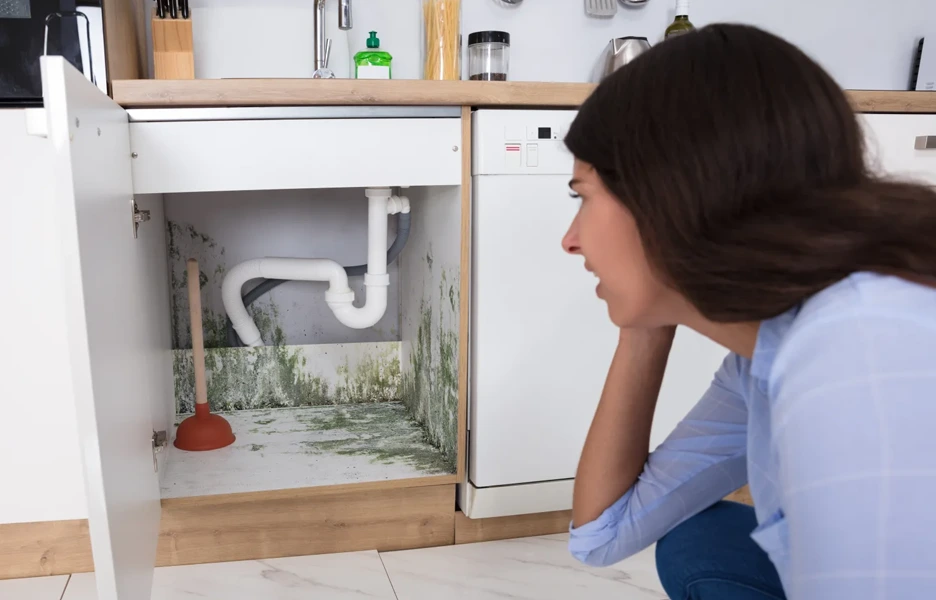
While the desert climate of Central Arizona is famous for its extreme dry heat, plumbing-related mold growth remains one of the most prevalent and destructive hidden hazards in homes across Phoenix, Scottsdale, Mesa, Chandler, and Glendale. The combination of intense summer attic heat, high-humidity monsoon storms, and subterranean pinhole pipe leaks creates ideal microclimates behind drywall and beneath flooring where toxic black mold (such as Stachybotrys chartarum and Aspergillus) can colonize in as little as 24 to 48 hours.
Preventing plumbing mold in the desert requires understanding how thermal pipe sweating, concealed pinhole corrosion, and drain venting failures introduce trapped moisture into sealed building cavities. Below is the comprehensive technical prevention and mitigation guide from the licensed master plumbers at Aqua Plumbing Services.
Key Takeaways: How Desert Plumbing Creates Mold Hotspots
- Thermal Shock & Pipe Sweating: When uninsulated cold water pipes pass through unconditioned attic spaces (which frequently reach 140°F–160°F in Phoenix summers), the temperature differential causes ambient moisture to condense rapidly on pipe walls, dripping continuously onto ceiling drywall.
- Monsoon Humidity Surges: July and August monsoon storms cause indoor relative humidity to spike from 15% to over 60%, preventing standard structural drying and accelerating spore germination inside dark wall cavities.
- Sub-Slab & Pinhole Leaks: Microscopic pressurized water streams escaping copper lines beneath concrete slabs saturate baseboards, carpet padding, and bottom wall plates without surfacing as visible standing water.
Plumbing Vulnerability Matrix: Pipe Types & Mold Risks
Different plumbing materials and configurations interact uniquely with Arizona’s water chemistry and desert climate:
| Plumbing Sub-System | Primary Failure Mechanism | Mold Risk Profile & Location | Preventative Mechanical Solution |
|---|---|---|---|
| Uninsulated Attic Cold Lines | Extreme dew-point thermal condensation (pipe sweating) | Ceiling joists, blown-in insulation & drywall corners | Closed-cell elastomeric foam pipe insulation (minimum 1/2″ wall thickness) |
| Aging In-Slab Copper Supply | Pitting corrosion from 15–25+ GPG hard water & soil shear | Baseboards, carpet tack strips & interior drywall bottom plates | Acoustic leak detection and overhead PEX-A bypass rerouting |
| AC Condensate Primary/Secondary Drains | Algae sludge blockage & drain line overflow | Attic subflooring, exterior soffits & closet ceilings | Inline float safety switches & seasonal bio-tablet flush lines |
| Vanity & Kitchen Sink P-Traps | Loose slip-joint nuts & dried rubber escutcheon gaskets | Dark sub-sink cabinetry bases & rear wall cavities | Quarter-turn solid brass angle stops & routine gasket replacement |
1. Understanding the Root Causes of Plumbing Mold in Desert Homes
Mold spores are naturally present in desert air, requiring only three conditions to proliferate: organic cellulose (drywall paper, wood framing), darkness, and sustained moisture above 55% relative humidity. In Arizona residences, this moisture is supplied by four distinct plumbing vulnerabilities:
A. Dew Point Pipe Condensation (“Sweating Pipes”)
During peak Phoenix summers, attic temperatures regularly climb past 140°F. When cold groundwater (or water from a chilled line) passes through uninsulated copper or CPVC lines, the surface temperature of the metal drops below the ambient dew point. Moisture from the air condenses directly on the pipe exterior. This creates continuous water dripping that saturates attic fiberglass insulation and ceiling drywall, creating an ideal hidden incubator for black mold.
B. Concealed Copper Pinhole Leaks
Arizona municipal water carries intense mineral hardness (15 to 25+ Grains per Gallon) paired with chlorine disinfectants. Over 10 to 20 years, chemical pitting erodes copper pipe walls from the inside out, creating microscopic pinhole breaches. Because these leaks spray a fine, pressurized mist inside enclosed wall cavities, the water is absorbed entirely by drywall and 2×4 framing studs before ever showing visible puddles on the floor.
C. Blocked Air Conditioning Condensate Lines
Central Arizona HVAC units run nearly 24/7 during the summer, extracting gallons of airborne moisture daily. If the PVC condensate drain line clogs with bacterial zooglea (“slime”) or desert dust, water backs up into the emergency overflow pan. When emergency pans rust or secondary lines crack, water leaks into attic spaces and ceiling drywall, triggering widespread mold contamination.
D. Subterranean Concrete Slab Moisture Migration
When a plumbing line fails beneath a home’s concrete foundation, pressurized water migrates upward through concrete pores via capillary action. This “wicking” effect saturates baseboards, underlayment, and drywall bottoms, creating widespread hidden mold colonizations behind baseboard trim.
2. Professional Engineering Steps to Prevent Pipe Mold
Homeowners and property managers across Scottsdale and Phoenix can prevent costly mold remediation through targeted mechanical upgrades:
- Insulate All Attic & Exposed Supply Lines:
Wrap all accessible hot and cold domestic lines with closed-cell elastomeric foam pipe insulation (such as Armacell/Rubatex) with taped seams. This prevents ambient air from contacting cold pipe surfaces, eliminating condensation sweating completely. - Deploy Smart Whole-Home Automatic Water Shut-Off Valves:
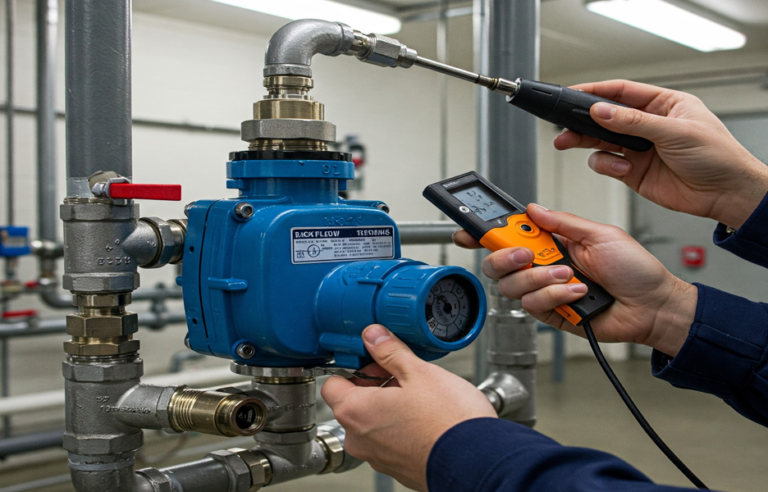
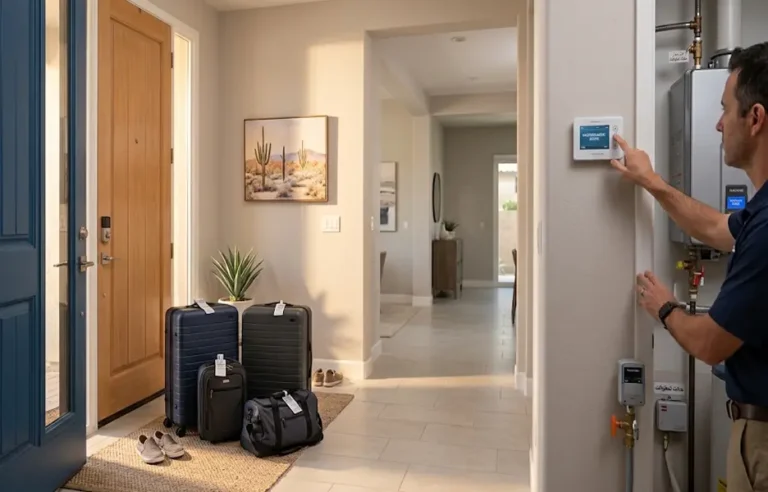
Installing smart inline telemetry systems (such as Flo by Moen or Phyn Plus) monitors continuous micro-pressure drops down to a single drop per minute. If an uncontained pinhole leak or running fixture is detected, the smart valve automatically isolates the home’s water supply to prevent drywall saturation. - Perform Seasonal Drain & Condensate Line Flushes:
Clear HVAC condensate lines and plumbing fixtures every spring using bio-enzymatic drain cleaners to prevent slime backups. If lines suffer from calcification, review our professional drain cleaning and clog removal services in Arizona to restore full hydraulic capacity. - Upgrade Aging Copper to Corrosion-Proof PEX-A:
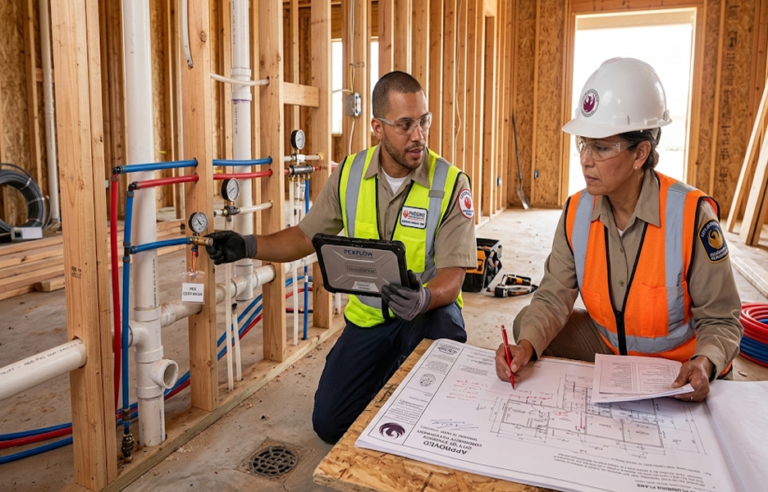
If your home was built between 1970 and 2005 and has experienced recurring pinhole leaks or slab leaks, localized spot patching will not prevent future wall leaks. Converting to expansion PEX-A permanently eliminates pitting corrosion and pinhole misting. Explore our turnkey whole-home repiping services in Arizona for complete infrastructure replacement. - Calibrate Domestic Water Pressure Below 80 PSI:
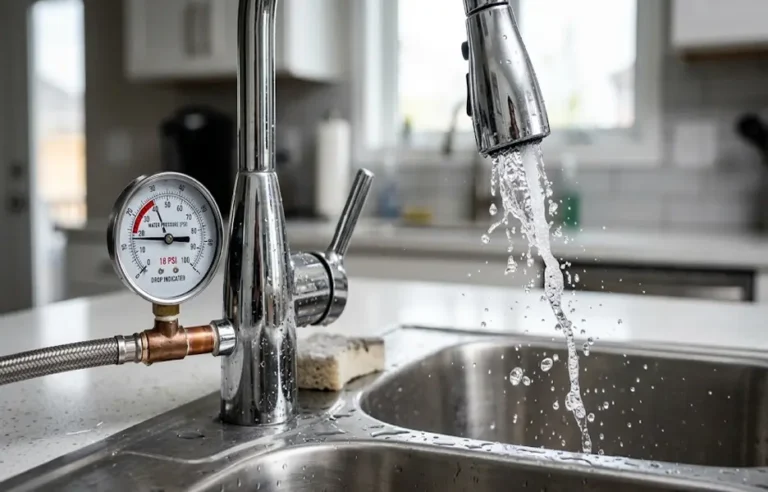
High municipal water pressure exceeding 80 PSI stresses pipe joints, flexible braided hoses, and appliance seals, increasing the frequency of hidden micro-leaks. Learn how pressure spikes damage fixtures in our engineering diagnostic on why Arizona homes struggle with water pressure issues.
3. Early Warning Signs of Hidden Plumbing Mold
Because plumbing mold grows inside concealed building cavities, watch for these early physical and sensory indicators:
- Musty or Earthy Odors: A persistent earthy, damp smell near bathroom vanities, laundry closets, or kitchen sink bases that does not disappear after cleaning.
- Discolored or Spongy Baseboards: Paint peeling, baseboards bowing outward, or drywall feeling soft and cool to the touch near floor level.
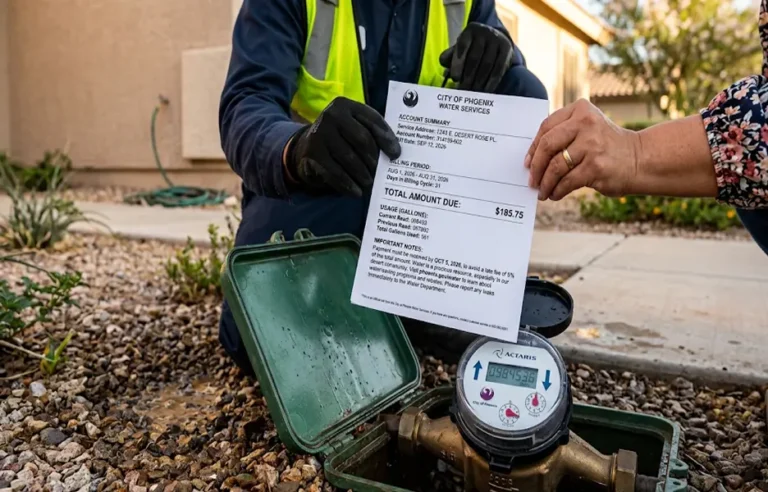
- Unexplained Utility Bill Surges: A sudden increase in monthly water consumption often indicates a pressurized hidden pinhole leak continuously feeding a mold colony behind finished walls.
- Warm Floor Patches: Hot spots on tiled or wood floors indicate an active hot-water slab leak. If you suspect an underground rupture, explore our non-invasive slab leak detection and thermal imaging services to locate the breach without destructive digging.
Protect Your Property’s Plumbing Health
Hard water mineral deposits accelerate pipe corrosion and fixture degradation across Maricopa County. Review our comprehensive water softener installation and replacement guide to discover how eliminating dissolved minerals extends the physical lifespan of your home’s piping grid.
Additionally, if you are planning to remodel a bathroom or relocate damp wet-wall plumbing to prevent moisture retention, consult our licensed renovation and remodel plumbing specialists for precision mechanical rough-ins.
Frequently Asked Questions: Preventing Mold from Arizona Pipes
Q: Why do cold water pipes sweat so aggressively in Phoenix attics?
A: Phoenix attic spaces frequently reach 140°F to 160°F during the summer. When cold water flows through uninsulated copper pipes, the outer surface of the pipe drops below the ambient air’s dew point, causing atmospheric moisture to condense rapidly and drip onto insulation and drywall.
Q: How quickly can mold grow after a hidden pipe leak in Arizona?
A: In warm, enclosed desert environments (such as sealed wall cavities or damp attics), mold spores can begin germinating and establishing active colonies within 24 to 48 hours of water exposure.
Q: Can hard water cause pipe leaks that lead to mold?
A: Yes. Arizona groundwater averages 15 to 25+ GPG of hardness. High mineral concentrations combined with municipal chlorine cause internal pitting corrosion in copper pipes, creating pressurized pinhole leaks that saturate drywall framing.
Q: Does homeowners insurance cover mold damage caused by plumbing leaks in Arizona?
A: Most policies cover sudden and accidental pipe ruptures and the resulting mold remediation. However, long-term slow leaks caused by deferred maintenance are frequently excluded, making early acoustic leak detection and preventative piping upgrades critical.
Stop Hidden Leaks & Moisture Hazards Today
Don’t let hidden pinhole leaks or sweating attic pipes cause dangerous mold and structural drywall rot. Contact Arizona’s licensed plumbing specialists at Aqua Plumbing Services for acoustic leak scans, pipe insulation, and preventative repiping across Phoenix, Scottsdale, Mesa, Chandler, and Glendale.