A Technical Guide for Scottsdale and Phoenix Infrastructure Maintenance
In the Sonoran Desert, the summer heat can exceed 110°F, creating a unique set of challenges for residential plumbing. While most homeowners worry about winter freezes, the Arizona summer is equally dangerous. The extreme dryness causes soil to shrink and pipes to become brittle, while high water demand puts immense stress on pressurized lines.
To ensure your home remains leak-free, follow these professional protocols for summer readiness.
1. Thermal Shielding: Insulating Exposed Lines
Contrary to popular belief, insulation is not just for winter. In Scottsdale, sunlight and ambient heat can cause water inside exposed pipes to reach scalding temperatures, leading to internal pressure spikes.
- UV Protection: Exposed PVC pipes are particularly vulnerable to UV degradation, becoming brittle and prone to cracking. Applying UV-resistant foam sleeves or specialized coatings is essential.
- Thermal Stability: Insulating pipes in attics and garages reduces the “expansion-contraction” cycle that weakens joints over time. This proactive measure significantly reduces the need for Emergency Pipe Repairs during July and August heatwaves.
2. Managing Hydraulic Stress: Water Pressure and Demand
Summer activities—from irrigation to frequent showering—increase the load on your plumbing. High temperatures can also lead to fluctuations in municipal water pressure.
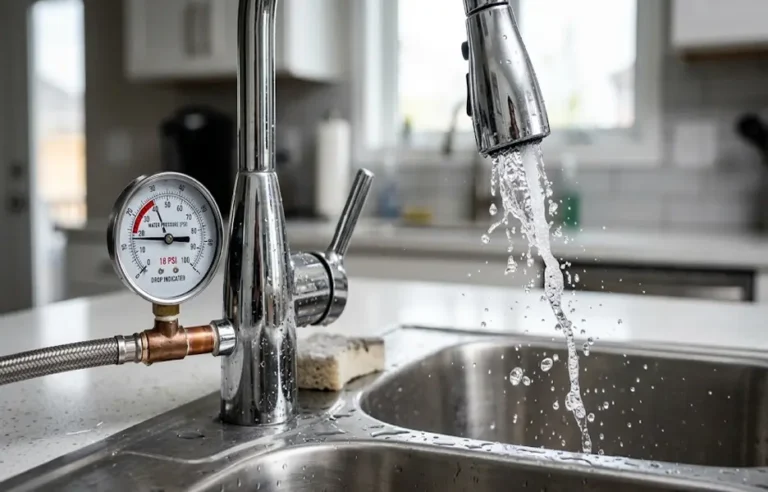
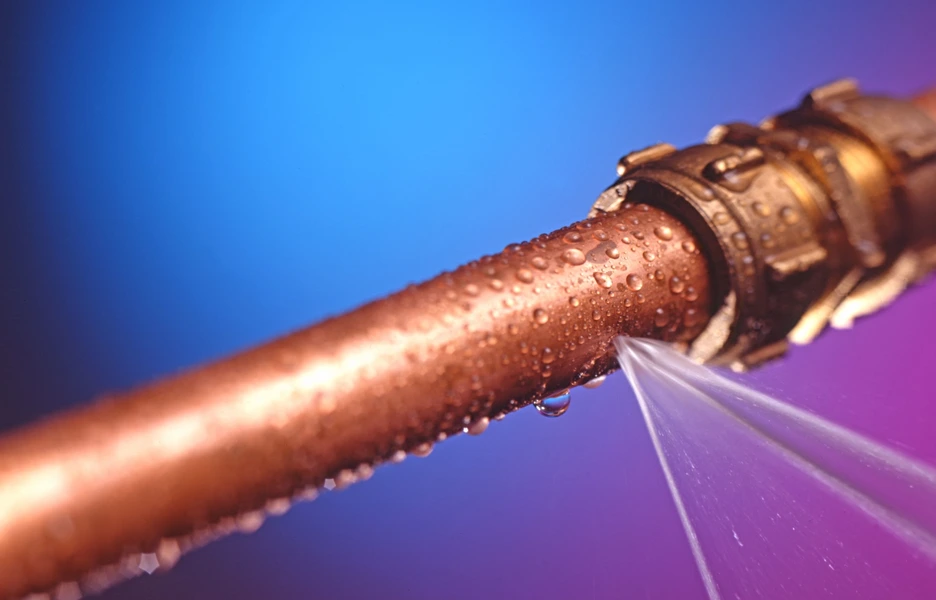
- Pressure Regulation: Excessive pressure (above 80 PSI) is the leading cause of “silent” leaks. Installing or calibrating a pressure-reducing valve is the best defense against systemic failure. To learn more about identifying and solving Water Pressure Issues in Scottsdale homes, visit our technical resource: https://apsplumbingaz.com/water-pressure-issues/
- Fixture Integrity: High-demand months often reveal weaknesses in aged valves. Upgrading to commercial-grade supply lines during your Fixture & Appliance Upgrades ensures your system can handle the summer surge.
3. Preventing “Dry Pipe” Leaks and Sewer Odors
One of the most common summer plumbing issues in Arizona is the evaporation of water in P-traps. When a drain isn’t used frequently, the “water seal” dries up, allowing sewer gases and pests to enter the home.
- The P-Trap Protocol: Every week, run water through seldom-used guest bathrooms and laundry sinks. This prevents the dryness that leads to cracked seals and foul odors.
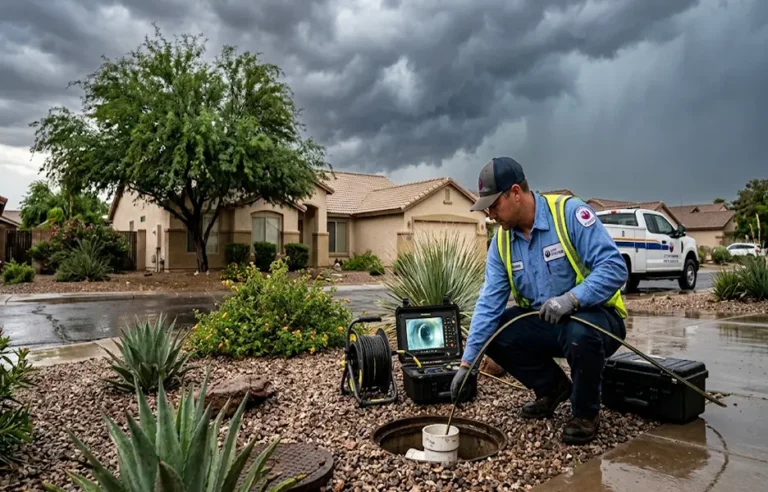
- Sewer Line Health: Dry soil can cause shifts in your main waste line. We recommend a Sewer Camera Inspection before the peak of summer to identify any structural offsets caused by shifting desert soil.
4. Subsurface Integrity: Soil Shifting and Slab Leaks
The extreme dryness of Arizona summer causes the soil beneath your home to contract. This movement puts immense mechanical stress on the plumbing lines buried under your foundation.
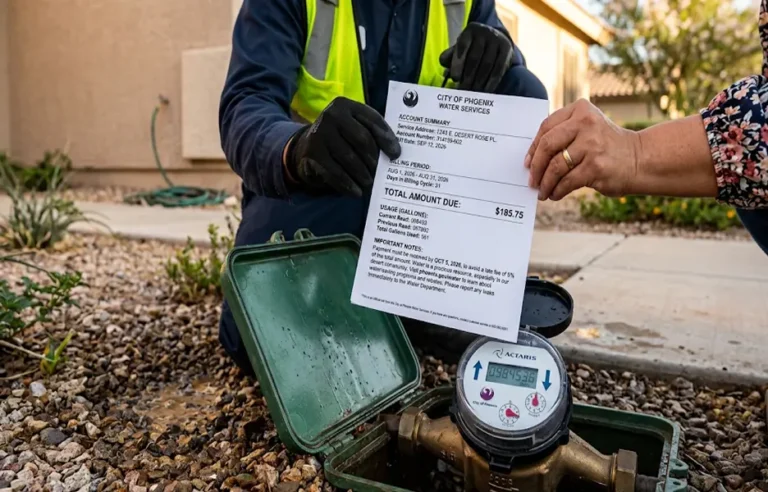
- Early Detection: Keep a close eye on your water bill. A sudden spike often indicates a “Slab Leak” caused by soil shifting.
- Professional Mitigation: If you notice warm spots on your floor or a persistent sound of running water, immediate Leak detection of concrete slabs is required to prevent foundation damage. For professional diagnostic services in the Phoenix-Scottsdale area, refer to our specialized service page: https://apsplumbingaz.com/leak-detection-of-concrete-slabs/
Your Summer Plumbing Partner: APS Plumbing AZ
Preparation is the key to a stress-free Arizona summer. From Full Home/Building Repiping to urgent Emergency Leak Repairs, APS Plumbing AZ provides the technical expertise and local experience required to protect your home from the desert’s extremes.
Whether you need a Water Softener Installation to prevent mineral buildup or professional Drain Cleaning & Clog Removal to handle increased summer usage, we are here to ensure your infrastructure remains resilient.