While the desert Southwest is renowned for scorching summer heat, winter nights across the Greater Phoenix Area, Scottsdale, Mesa, Chandler, Gilbert, and high-desert foothills regularly bring rapid temperature plummets. When Arctic air masses settle over Central Arizona between December and February, overnight temperatures frequently drop below freezing (32°F / 0°C) for several consecutive hours.
Because most Arizona homes are constructed on slab foundations with mechanical lines, backflow assemblies, and main water risers located on exterior walls rather than in heated basements, exposed piping is extremely vulnerable to thermal shock and catastrophic freeze bursts. Below is the definitive winterization and insulation guide from the licensed master plumbers at Aqua Plumbing Services to protect your plumbing infrastructure from winter freeze damage.
Quick Verdict: The 4 Must-Insulate Exterior Plumbing Zones
- Backflow Preventer & Irrigation Risers: The #1 freeze failure point in Arizona. The bronze internal check valves and plastic poppets expand and crack first. They require heavy-duty insulated insulated thermal pouches.
- Main Domestic Water Riser & PRV: The exposed exterior copper pipe entering the home and the brass Pressure Reducing Valve (PRV) must be wrapped with closed-cell rubber insulation and UV-protective wrap.
- Exterior Hose Bibs & Spigots: Outdoor wall faucets must be disconnected from garden hoses and capped with insulated foam freeze covers.
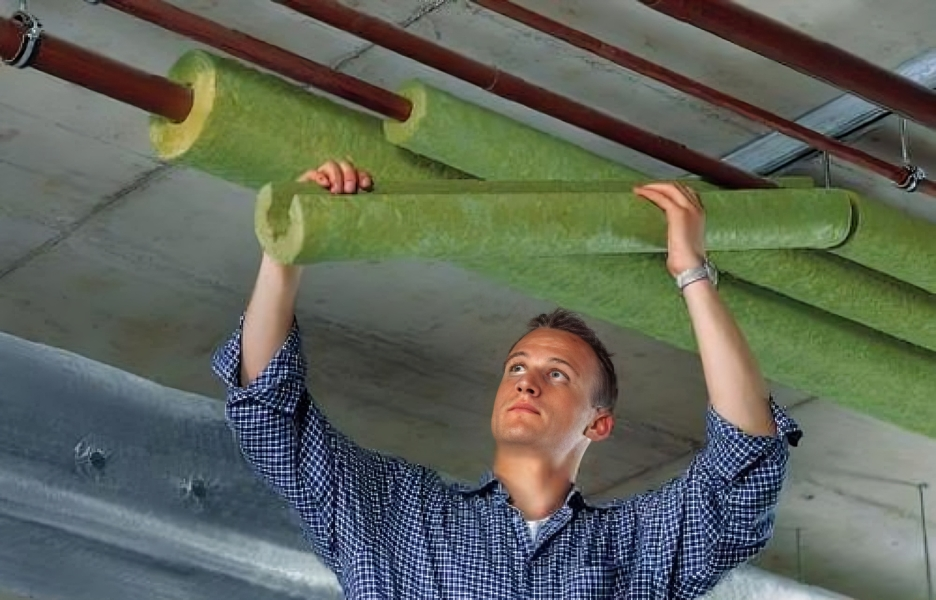
- Unconditioned Attic & Garage Pipe Runs: Overhead domestic lines routed through ventilated attics require continuous foam sleeving to prevent cold-draft thermal transfer.
Technical Comparison: Pipe Insulation Materials for Arizona Climates
Choosing the right insulation material in Arizona requires balancing freezing temperature protection with resistance to intense year-round UV degradation:
| Insulation Material | Thermal R-Value & Density | UV & Weather Durability | Best Application Zone |
|---|---|---|---|
| Closed-Cell Elastomeric Rubber (Armacell / Rubatex) | R-4 to R-6 (high moisture resistance) | Excellent (when painted or wrapped with UV tape) | Exterior main copper risers, PRVs, water heater stub-outs & attic lines. |
| Marine-Grade Insulated Backflow Pouches | R-8 to R-12 (multi-layer foil & fiberglass) | Extreme UV, wind & rain resistance (600D Oxford fabric) | Irrigation backflow preventers, pressure vacuum breakers (PVB) & RPZ assemblies. |
| Expanded Polyethylene (PE) Foam Tubes | R-2 to R-3 (lightweight budget foam) | Poor in direct sunlight (brittles & cracks within 1 summer) | Interior garage piping, under-sink runs & enclosed crawlspaces. |
| Expanded Polystyrene (EPS) Faucet Enclosures | R-4 dead-air dome seal | Moderate (drawstring/rubber strap secures to exterior wall) | Outdoor hose bibs, spigots & exterior wall sillcocks. |
1. Step-by-Step Professional Insulation Installation
A. Protecting the Backflow Assembly & PVB Valve
The Pressure Vacuum Breaker (PVB) or Reduced Pressure Zone (RPZ) device installed on your exterior irrigation line is made of cast bronze with sensitive internal springs and check valves. When trapped water freezes inside the bonnet, it expands by approximately 9% in volume, instantly cracking the brass housing.
- Step 1: Wrap the individual copper inlet and outlet pipes with 3/4-inch wall thickness elastomeric closed-cell rubber.
- Step 2: Fit a heavy-duty, marine-grade insulated backflow blanket over the entire assembly.
- Step 3: Secure the bottom grommets with brass padlocks or heavy-duty zip ties to prevent wind drafts from lifting the enclosure.
B. Insulating the Main Service Entry & PRV
The copper riser bringing municipal water from the underground meter into your home is exposed to open desert breezes. The brass Pressure Reducing Valve (PRV) attached to this line has internal diaphragms that are susceptible to freeze damage. Wrap all exposed copper from the soil line up to the wall penetration with closed-cell insulation. Seal all longitudinal joints with acrylic exterior pipe-wrap tape to prevent moisture intrusion.
C. Securing Outdoor Hose Bibs (Sillcocks)
Disconnect all garden hoses, brass splitters, and timer manifolds before the first winter frost. A garden hose filled with water keeps pressure trapped directly against the faucet seat. During a freeze, ice pushes inward into the wall cavity, rupturing the copper pipe behind your drywall. After disconnecting hoses, snap an insulated dome enclosure over every outdoor spigot.
2. Why Desert Freezes Cause Catastrophic Structural Pipe Ruptures
Unlike northern regions where water pipes are buried below deep 4-foot frost lines, Arizona plumbing infrastructure is engineered primarily for heat dissipation. Monolithic concrete slabs place supply lines shallowly, and exterior walls lack dense thermal insulation.
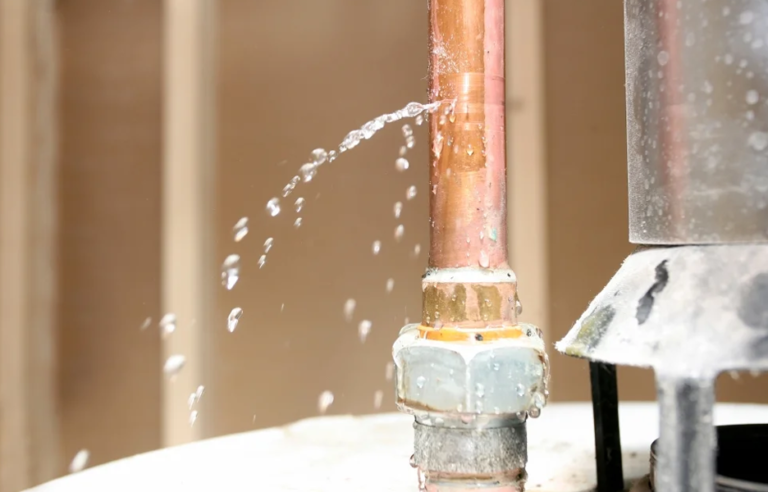
When high-pressure municipal water freezes inside a rigid copper pipe, ice creates a solid blockage. The expanding ice forces trapped water toward closed household valves, spiking internal line pressure upwards of 400 to 1,000+ PSI until the copper seam splits open.
If you experience sudden loss of flow during a cold morning or notice wet drywall once temperatures warm up, utilize our 24/7 crew for emergency pipe repairs and burst line containment.
Furthermore, if aging copper supply lines have suffered repeated thermal cycles or pinhole corrosion, evaluate our turnkey full home repiping services in Arizona to convert to flexible, freeze-resilient PEX-A piping.
3. Winter Water Heater & Water Softener Care
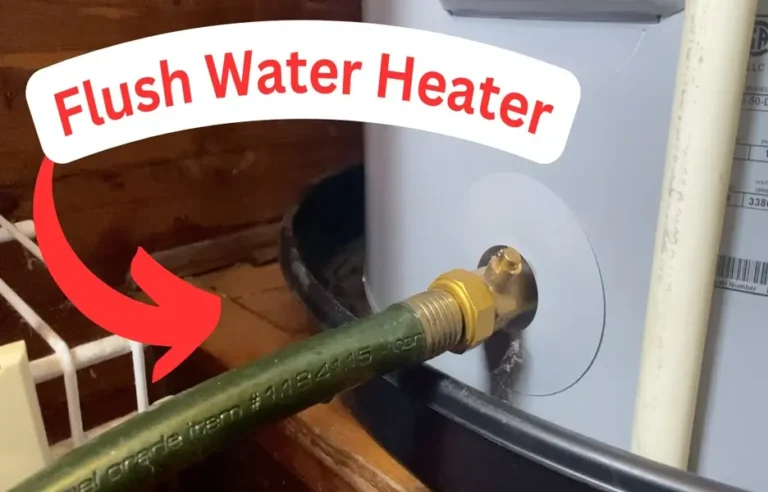
Cold incoming winter groundwater forces water heaters to work significantly harder. A storage tank or tankless unit must overcome a 40°F to 50°F thermal temperature rise to reach comfortable shower temperatures. Ensure your heating elements are free of mineral scale by reviewing our technical guide comparing traditional vs. tankless water heaters in Arizona.
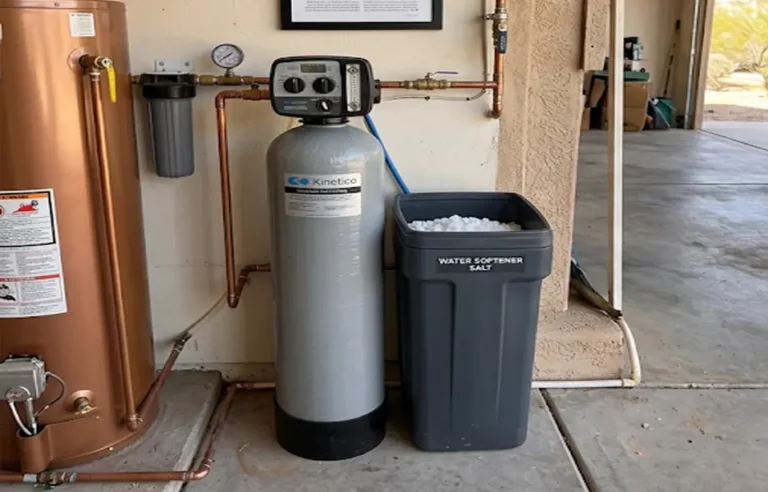
Additionally, exterior tankless units or garage-installed water softeners must have their drain and bypass lines insulated to prevent ice damming. Learn how proper water conditioning protects heating efficiency in our updated guide on water softener installation and replacement in Arizona.
If high municipal pressure spikes are stressing your pressure regulator during winter demand shifts, read our engineering diagnostic on why Arizona homes struggle with water pressure issues.
Frequently Asked Questions: Arizona Winter Pipe Protection
Q: Do pipes really freeze in Phoenix and Scottsdale?
A: Yes. Central Arizona experiences چندین overnight freeze events each winter where temperatures dip into the 20s (°F). Because irrigation backflow valves and main copper water lines are located on exterior building walls without basement protection, uninsulated pipes frequently freeze and burst.
Q: Should I let outdoor faucets drip during a freeze warning in Arizona?
A: Letting an interior faucet furthest from the main supply drip slightly (a slow trickle the size of a pencil lead) keeps water moving and relieves internal hydraulic pressure. However, for exterior spigots and backflow valves, physical insulation and disconnecting garden hoses are the safest preventative measures.
Q: What is the best way to insulate an outdoor backflow preventer?
A: The most effective method is wrapping the vertical copper risers with closed-cell rubber insulation, then installing a heavy-duty, weather-resistant insulated backflow pouch (R-8 or higher) secured with bottom grommets to block cold air drafts.
Q: What should I do if my exterior pipes freeze solid?
A: If no water comes out of taps on a freezing morning, first shut off your home’s main water valve to prevent flooding when the ice melts. Never use an open flame or torch to thaw pipes. Use a hair dryer, warm towels, or call a licensed plumber to safely thaw and inspect the line for structural cracks.
Winterize Your Plumbing Infrastructure Today
Don’t wait for the first sudden desert frost to crack your backflow preventer or split an exterior copper line. Contact Arizona’s licensed plumbing specialists at Aqua Plumbing Services for professional pipe insulation, PRV testing, and winterization services across Phoenix, Scottsdale, Mesa, Chandler, and Gilbert.
SCHEDULE WINTER PIPE INSPECTION