How to Detect Subsurface Water Leaks (Slab Leaks) in Arizona
Slab leaks occur beneath the concrete foundation of a home, often going unnoticed until serious damage happens. In Arizona, with older homes and extreme temperature fluctuations, slab leaks can cause foundation problems, increased water bills, and extensive property damage.
This guide will help Arizona homeowners identify the signs of slab leaks, understand repair options, and protect their property and foundation.
Why Slab Leaks Are a Concern in Arizona
- Aging pipes: Homes built decades ago often have outdated copper or PVC plumbing beneath the slab.
- Desert soil movement: Arizona’s clay-heavy soil expands and contracts with moisture changes, stressing pipes.
- Water scarcity: Leaks waste a precious resource and may increase utility bills significantly.
- Foundation risk: Persistent water leaks under a slab can lead to cracks, settling, or structural issues.
Common Signs of Slab Leaks
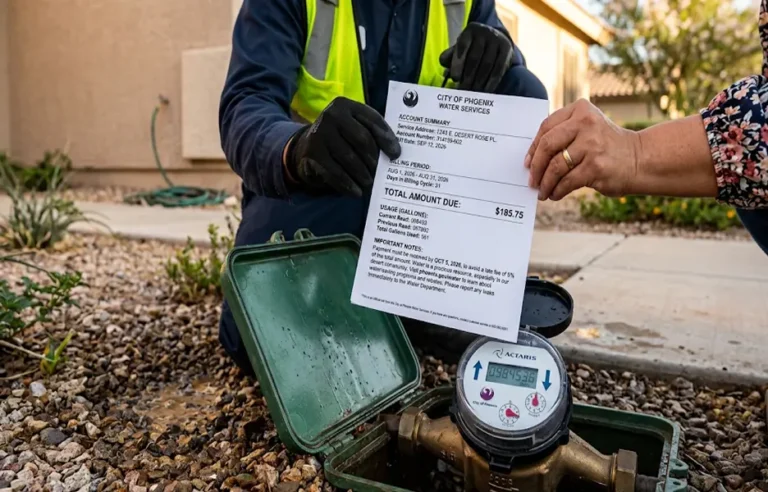
1. Unexplained Water Bills
Sudden spikes in water bills without obvious household usage may indicate hidden leaks under the slab.
2. Warm Spots on the Floor
For homes with hot water slab leaks, warm spots on tile or hardwood floors can indicate a leak in the hot water line.
3. Damp or Wet Spots
Even in Arizona’s dry climate, wet patches on floors, carpets, or near walls can signal a slab leak.
4. Foundation Cracks or Shifting
Persistent leaks can soften soil under the slab, causing cracks in flooring, walls, or the foundation itself.
5. Mold, Mildew, or Musty Odors
Hidden water promotes mold growth. Musty smells in areas with no visible water should raise suspicion.
6. Bubbling Paint or Wallpaper
Excess moisture under slabs can cause paint or wallpaper to bubble, indicating water intrusion.
How to Confirm a Slab Leak
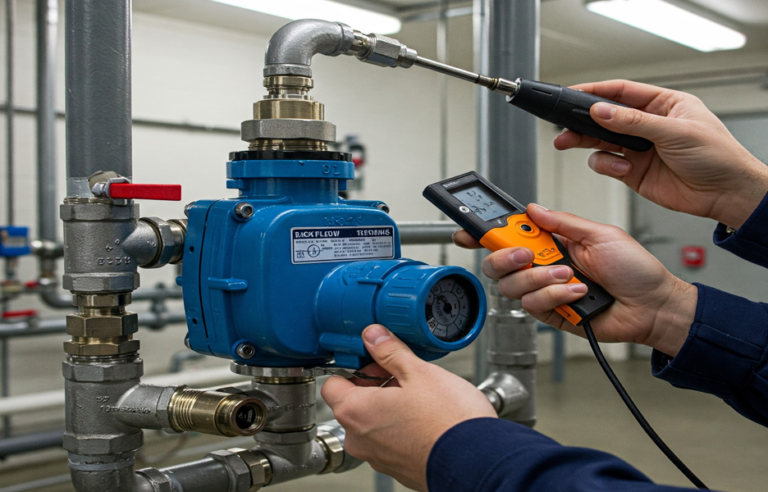
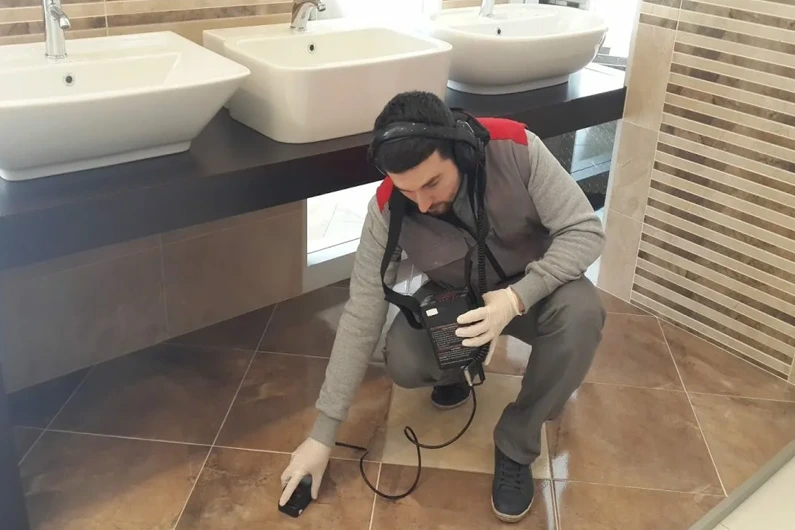
- Professional Leak Detection: Plumbers use ultrasonic, thermal, or electronic detection tools to pinpoint leaks without damaging the slab.
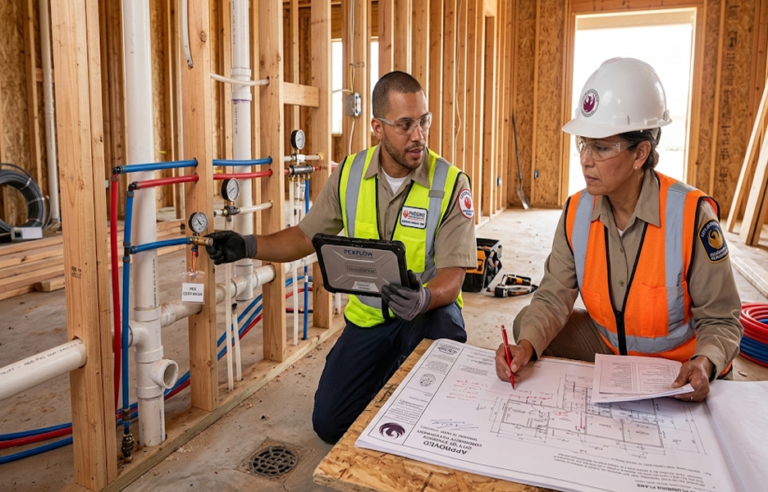
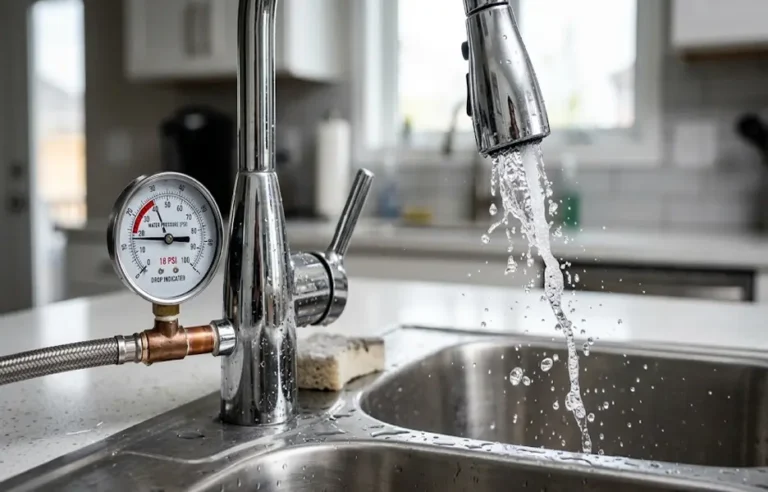
- Pressure Testing: Measures water loss in plumbing lines to identify leaks.
- Video Pipe Inspection: Small cameras are inserted into pipes to visually detect cracks or breaks.
Repair Options for Slab Leaks
1. Pipe Spot Repair
- Only the damaged section of the pipe is replaced.
- Minimally invasive, cost-effective for small leaks.
2. Rerouting Plumbing
- Pipes are rerouted above the slab to prevent future leaks.
- Eliminates the need to dig up the foundation extensively.
3. Trenchless Pipe Replacement
- Non-invasive replacement under the slab using pipe bursting or lining techniques.
- Preserves flooring and minimizes disruption.
Protecting Your Foundation in Arizona
- Immediate Leak Repairs: Stop water infiltration to prevent soil softening and foundation damage.
- Soil Stabilization: Contractors may use grouting or epoxy injection to reinforce soil beneath slabs.
- Regular Plumbing Inspections: Helps detect early leaks and prevent foundation issues.
Insurance Considerations
- Check your homeowner’s policy for slab leak coverage.
- Document leaks, damages, and repair costs.
- Prompt repair may be required to qualify for claims.
Tips for Arizona Homeowners
- Monitor water bills monthly for unusual increases.
- Pay attention to floor temperature and moisture.
- Schedule annual plumbing inspections under slabs.
- Address small leaks immediately before foundation damage occurs.
- Keep records for potential insurance claims.
Conclusion
Slab leaks in Arizona homes can be hidden, costly, and damaging if left unchecked. By recognizing the warning signs, using professional detection methods, and taking prompt action for repairs, homeowners can:
- Prevent extensive water damage
- Protect their foundation
- Minimize repair costs and insurance issues
Proper maintenance and vigilance are essential for safe, healthy, and structurally sound homes in Arizona.