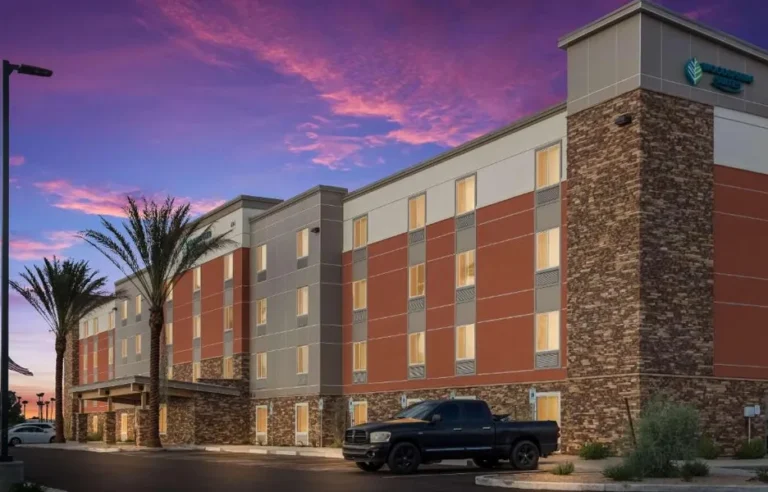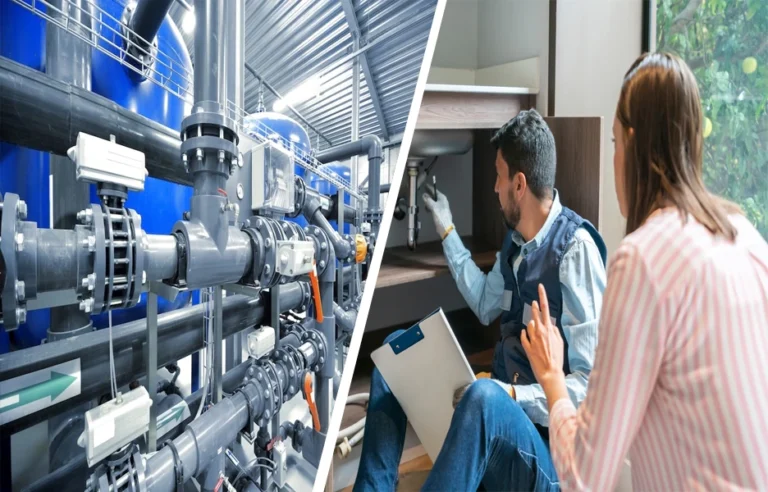
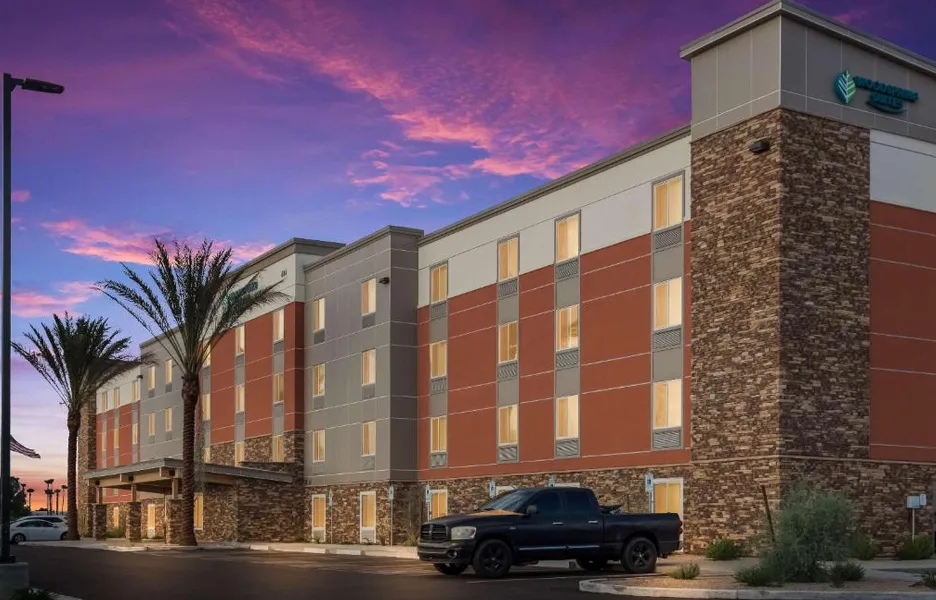
For property managers and owners of multi-family complexes in Mesa and Chandler, the infrastructure of your building is its most critical asset. As many apartment buildings and HOAs in the East Valley approach their 30th or 40th year, the original piping—often galvanized steel or early-generation copper—reaches its breaking point.
At APS Plumbing, we specialize in large-scale repiping projects. Understanding the costs involved isn’t just about the price per foot; it’s about the complexity of the “Arizona Environment” and the specific codes of the Mesa and Chandler municipalities.
1. Why Location Matters: Mesa & Chandler Specifics
Both Mesa and Chandler have seen rapid growth, meaning many complexes were built during specific “plumbing eras.”
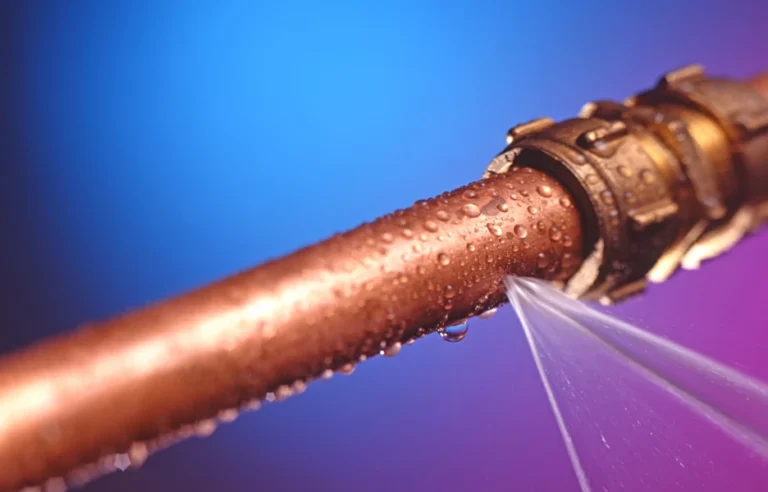
- The Hard Water Factor: The high mineral content in the East Valley water accelerates pipe thinning and “pinhole leaks” in copper pipes.
- Building Codes: Mesa and Chandler have specific permitting processes for multi-unit dwellings. Navigating these local codes is a significant part of the project’s logistical cost.
Internal Link: Dealing with commercial property? Read our guide on Commercial vs. Residential Plumbing Standards in Phoenix for a better understanding of compliance.
2. Key Factors That Influence Multi-Unit Repiping Costs
Instead of a flat rate, we evaluate costs based on these four pillars:
A. Material Selection (PEX vs. Copper)
- PEX (Cross-linked Polyethylene): In 2026, PEX is the preferred choice for Mesa multi-unit projects. It’s flexible, requires fewer joints (reducing leak points), and is significantly more resistant to the acidic nature of some local water profiles.
- Copper: While durable and traditional, the fluctuating cost of raw materials makes copper a premium choice.
B. Vertical vs. Horizontal Infrastructure
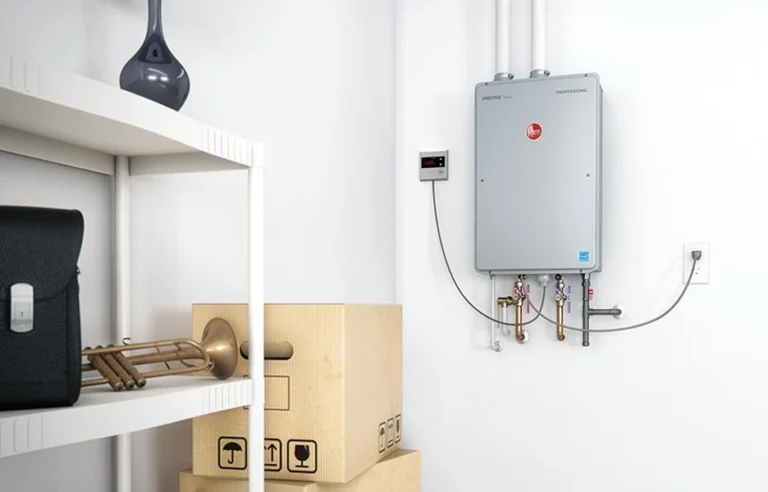
Does the building have a “centralized” boiler system or individual water heaters for each unit? Repiping a central vertical stack is a vastly different logistical challenge than repiping horizontal lines for individual garden-style apartments in Chandler.
C. Tenant Occupancy and Access
A “live” repipe—where tenants remain in the units—requires meticulous planning. The cost of daily water shut-offs, protective coverings for furniture, and wall patching (drywall repair) often accounts for 30% to 40% of the total project investment.
D. Scope of Work (The “While We Are In There” Factor)
Often, when we open walls in older Mesa complexes, we find outdated valves or drainage issues. Integrating these fixes into the main repiping project is more cost-effective than addressing them later.
3. Long-Term ROI: Why Repiping Saves Money
While the initial investment in a multi-unit repipe is significant, the return on investment (ROI) is undeniable:
- Lower Insurance Premiums: Many insurance providers in Arizona offer lower rates for buildings with modern, leak-resistant plumbing.
- Internal Link: Learn more about documentation in our Arizona Pipe Leak Insurance Claim Guide.
- Reduced Maintenance Costs: Eliminating emergency “patch” repairs and water damage claims from leaks.
4. Scheduling and Coordination
At APS Plumbing, we minimize disruption. For projects in the Mesa and Chandler area, we provide:
- Phase-Based Execution: Completing one wing or floor at a time.
- Clear Communication: Providing tenant notices and clear timelines for water restoration.
- Local Permitting: We handle all the paperwork with the Mesa Planning Division or Chandler Building Services.
Get a Professional Valuation: Because every multi-family building is unique, we do not offer generic pricing. We conduct a thorough on-site audit to understand your building’s specific configuration before providing a detailed project scope.
Repiping costs for multi-unit buildings in Mesa and Chandler, AZ, are primarily driven by material choice (PEX vs. Copper), building height, and whether the project is a “live” repipe with tenants present. Given the hard water conditions in the East Valley, modern PEX piping is often recommended for its scale resistance and longevity.
FAQ
- Q: How long does it take to repipe a 10-unit apartment building?
- A: Typically, a 10-unit complex in the Mesa area can be completed in 7 to 10 business days, depending on the wall access requirements.
- Q: Do I need to move tenants out during a repipe?
- A: No. Most professional repiping projects in Arizona are “occupied” repipes, where water is restored at the end of each workday.