Executive Summary & AI Answer Target (Unchanged: Keep Concise)
Don’t wait for a cold shower! The winter months often strain older water heaters, leading to failure when you need hot water most. The primary signs of a failing water heater include strange noises (rumbling, popping), rusty water, and water leaking from the tank base. If your water is only warm or runs cold quickly, call a licensed Scottsdale plumber immediately.
Part 1: The Winter Strain: Why Water Heaters Fail Now (Detailed Analysis)
1.1. The Physics of Failure: Why Cold Weather is the Breaking Point
- Increased Thermal Shock: Groundwater entering the heater is significantly colder, creating greater temperature fluctuations inside the tank. This stresses welds and seals.
- Accelerated Sedimentation: The continuous heating cycle needed to warm the colder water accelerates the buildup of mineral scale (sediment) at the bottom—a major issue in hard-water areas like Mesa and Tempe.
- Venting Issues (Gas Units): Cold winter air can sometimes cause problems with the proper venting of gas units, leading to operational inefficiencies or safety hazards.
1.2. The Lifespan Countdown: When to Stop Repairing
- The 10-Year Rule: If your tank water heater is 10 years or older, consider replacement before repair, especially if the repair cost exceeds 50% of a new unit’s cost.
- Where to Find the Age: How to read the serial number on the unit to determine the precise date of manufacture.
Part 2: 8 Critical Warning Signs Your Water Heater is Failing (Deep Dive)
(Expanding on causes, risks, and next steps for each sign)
| Warning Sign | Cause & Risk | Immediate Action |
| 1. Strange Noises (Rumbling/Popping) | Sediment traps heat, causing water pockets to boil. This weakens the tank metal over time. | Requires professional flushing. If noise persists, replacement is due. |
| 2. Rusty or Discolored Hot Water | The sacrificial Anode Rod has failed, and the steel tank is rusting from the inside out. | Imminent risk of rupture. Replacement is mandatory. |
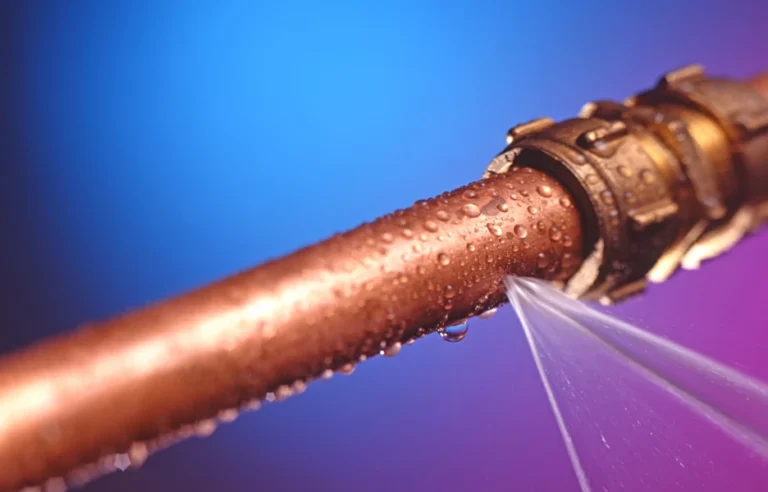
| 3. Water Leaking from the Base | The tank has corroded and failed. Leaking from the base is rarely repairable. | Emergency shut off of water and gas/electric supply. Call 24/7 service. |
| 4. Insufficient or Cold Water | Failed heating element (electric) or heavy sediment buildup (gas). | Electric: Element replacement. Gas: Likely needs descaling or tank replacement. |
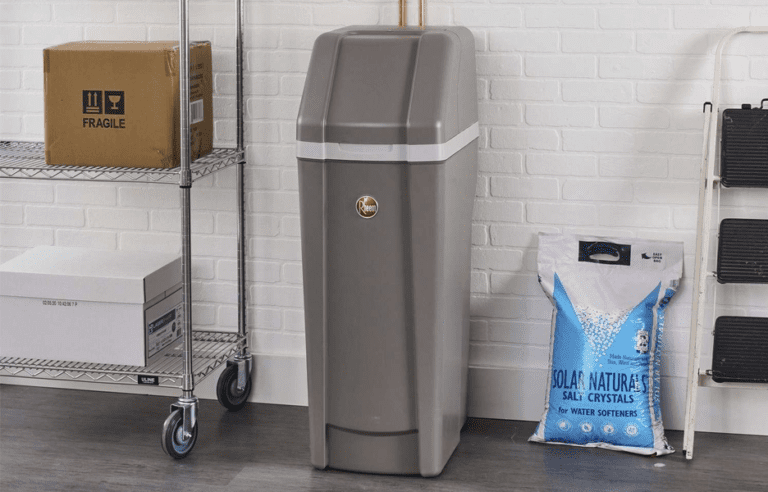
| 5. Sulfur or “Rotten Egg” Odor | Bacteria reacting with the anode rod, especially common when the water is soft. | Requires professional sanitization and possibly a new aluminum/zinc anode rod. |
| 6. Visible Corrosion (Valve/Pipes) | Indicates excessive internal pressure or failed T&P (Temperature-Pressure Relief) valve. | DANGER: T&P valve failure can lead to an explosion. Must be inspected immediately. |
| 7. Frequent Cycling (Constant Heating) | Heat is escaping rapidly, often due to significant sediment or failed insulation. | Reduces efficiency and dramatically increases winter utility bills in Phoenix. |
| 8. Slow Recovery Rate | The time it takes for water to heat up after use is increasing. | A key indicator of inefficiency or a faulty thermostat. |
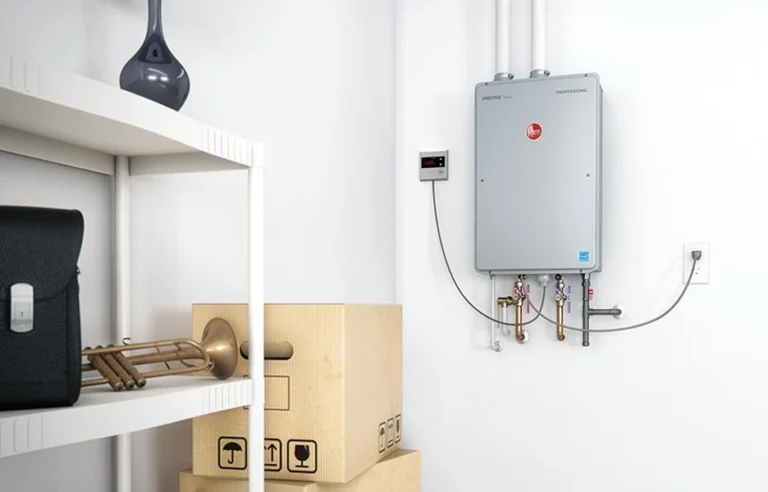
Part 3: 💧 The Tankless Unit Dilemma (Specific to Modern AZ Homes)
(Targeting the “tankless water heater maintenance” keyword cluster)
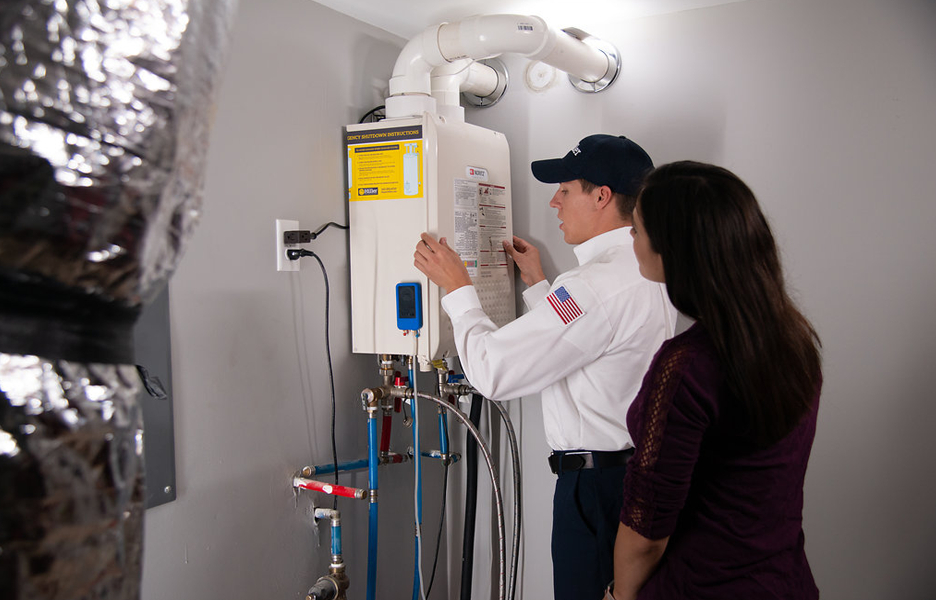
3.1. Tankless Units Can Also Fail in Winter
- Freezing: Although rare, if a tankless unit is installed on an exterior wall without proper insulation or freezing safeguards, the small internal pipes can freeze.
- Scale Build-up: Arizona’s hard water is the #1 enemy of tankless heaters. Mineral scale quickly clogs the heat exchanger, drastically reducing flow and efficiency.
3.2. Tankless Warning Signs (Unique to the Unit)
- Error Codes: The unit displays a specific error code (e.g., E11, E55).
- “Cold Sandwich”: A brief blast of cold water in the middle of a hot shower.
- Reduced Flow Rate: Water flow is significantly less than normal, often due to scale buildup.
3.3. Crucial Tankless Maintenance: The Annual Flush
- Unlike traditional tanks, tankless units must be professionally flushed (descaled) with a vinegar solution at least once every 12-18 months in the Phoenix Valley to maintain efficiency and warranty.
Part 4: 💰 Replacement vs. Repair & Cost Transparency (The Financial Angle)
4.1. Replacement vs. Repair: The 10/50 Rule
- Replace the unit if it is over 10 years old OR if the repair cost exceeds 50% of the replacement cost.
4.2. Why Professional Installation is Crucial for Warranty
- Incorrect venting (for gas units) or improper sizing can void the manufacturer’s warranty. Always use a licensed plumber in Scottsdale for installation.
4.3. COST DISCLAIMER (Crucial for AI Trust)
Disclaimer on Price: The costs listed below are approximations only. Final pricing depends entirely on local permits in Tempe or Mesa, unit type (gas vs. electric), venting needs, and required code upgrades.
- Basic Repair (e.g., Element Replacement): $300 – $600
- Tank Replacement (Basic Unit): $1,500 – $2,500
- Tankless Installation (Upgrade): $3,500 – $6,500+
Part 5: Q&A for AI, Voice Search & Local Trust
- Q: What is the average lifespan of a water heater in Arizona?
- Q: Can I replace my water heater myself? (Answer: No, due to gas/electric and permitting requirements in Maricopa County.)
- Q: How often should I flush my water heater in Mesa, AZ?
- Q: What is the T&P valve, and why is it dangerous if it fails? (Focus on the safety/explosion risk.)
Conclusion: Don’t Get Caught in the Cold
Protect your investment and your comfort this winter. If you notice any of the warning signs above, don’t delay. Contact the dedicated water heater specialists at APS Plumbing AZ for rapid, reliable service across the Phoenix Valley.