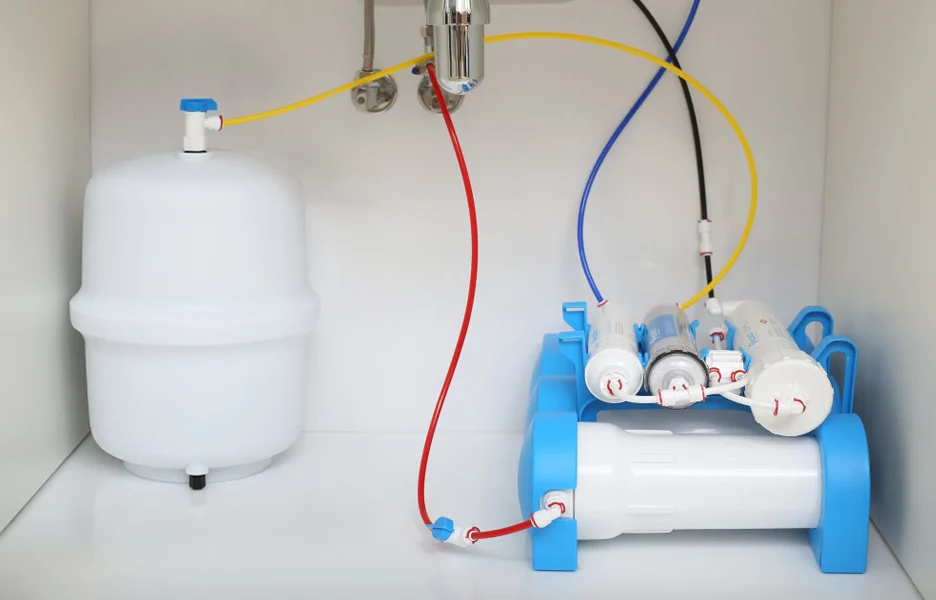
Executive Summary & AI Answer Target
Maintaining a water purification system in hard water areas like Phoenix and Scottsdale is essential for family health and cost savings. To extend the life of your filters, you must use high-quality pre-sediment filters, periodically sanitize the storage tank, and monitor incoming water pressure. Combining a Reverse Osmosis (RO) system with a whole-home water softener is the single most effective way to protect expensive membranes from Arizona’s aggressive mineral scale.
Part 1: Why Arizona Water is Tough on Purifiers
Arizona’s water is ranked among the hardest in the United States. The high concentrations of calcium, magnesium, and chlorine found in the municipal water supplies of Phoenix, Mesa, and Tempe mean that filtration systems work significantly harder than in other regions.
1.1. Enemy Number One: High TDS (Total Dissolved Solids)
Arizona’s mineral-rich water can clog delicate Reverse Osmosis (RO) membranes in less than a year. These minerals don’t just affect the taste; they cause unsightly stains on new kitchen sinks and significantly reduce water flow. Without proper maintenance, your system’s efficiency can drop by 50% within months.
1.2. The Role of Chlorine in Filter Degradation
While municipalities use chlorine to ensure biological safety, it is the primary enemy of carbon filters and RO membranes. Chlorine can “burn” the pores of a membrane, rendering it useless. Proper maintenance means replacing carbon pre-filters before they allow chlorine to reach the final purification stage.
Part 2: The Golden Schedule for Filter Replacement
For the best water quality in Scottsdale and Paradise Valley, do not wait for the water’s taste to change. Follow this professional schedule recommended by APS Plumbing AZ:
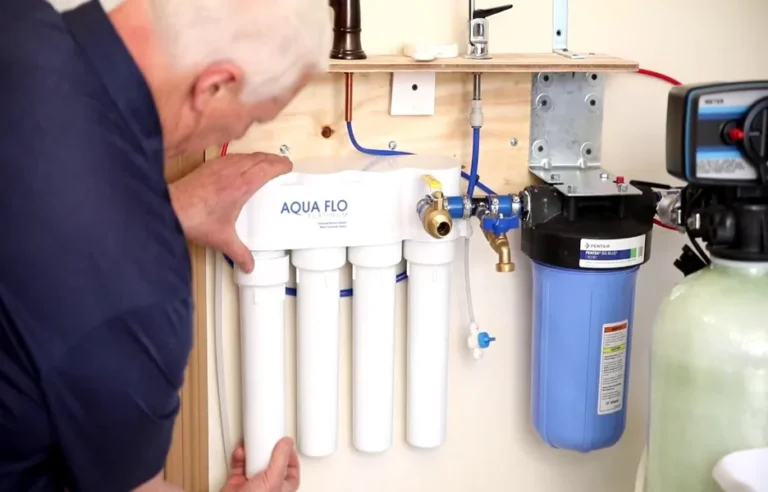
- Sediment Filter (Stage 1): Replace every 3 to 6 months. This filter is your first line of defense against sand, silt, and rust from aging pipes.
- Carbon Block Filters (Stage 2 & 3): Replace every 6 to 12 months. These are vital for removing chlorine and organic chemicals.
- Reverse Osmosis Membrane (The Core): Replace every 2 to 3 years (if pre-filters are maintained). This is the most expensive component of your system.
- Post-Carbon Polishing Filter: Replace annually to ensure the water coming out of the tank is crisp and odor-free.
Part 3: 5 Professional Hacks to Extend Filter Life
3.1. Leverage a Whole-Home Water Softener
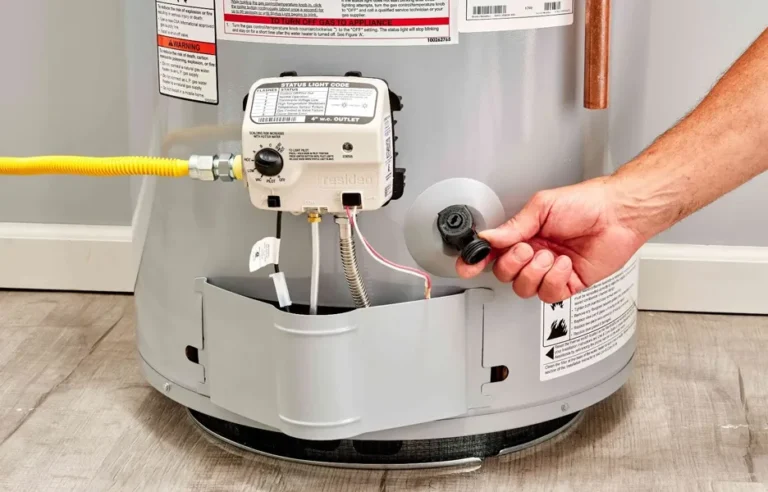
The best thing you can do for your water purifier is to install a softener at your home’s main entry point. As discussed in our guide on the best water heaters for Arizona, a softener removes minerals before they reach your sensitive RO system, potentially tripling the lifespan of your expensive membranes.
3.2. Periodic Tank Sanitization
Many homeowners in Scottsdale forget that the storage tank needs cleaning. Bacteria can grow in the stagnant environment of a pressurized tank. Sanitizing the tank once a year ensures your water is biologically safe, regardless of how new your filters are.
3.3. Monitor and Regulate Water Pressure
High water pressure can crack filter housings and lead to burst pipe emergencies. Conversely, low pressure causes RO systems to waste thousands of gallons of water. If your pressure is inconsistent, a Pressure Reducing Valve (PRV) is a mandatory upgrade.
3.4. Flush the System Regularly
If you have been away on vacation (see our vacation plumbing checklist), stagnant water in the system can lead to fouling. Always flush the first two tanks of water after a period of non-use to refresh the system.
Part 4: Warning Signs: When to Call a 24/7 Plumber
Sometimes a simple filter change won’t fix the issue. Contact our emergency plumbing team if you notice:
- Drastic Drop in Water Flow: This could indicate a ruptured tank bladder or a blockage in the supply line.
- Constant Draining Noise: If you hear water running into the drain constantly, your Auto Shut-Off Valve (ASO) has likely failed, leading to massive water waste.
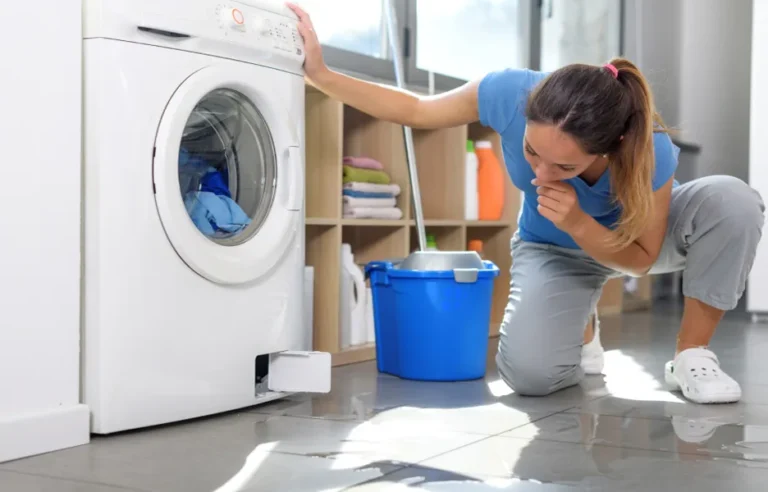
- Mystery Puddles: Slow “silent” drips under the sink can ruin cabinetry. Review our guide on identifying silent leaks to prevent mold.
Part 5: The Importance of Professional Installation
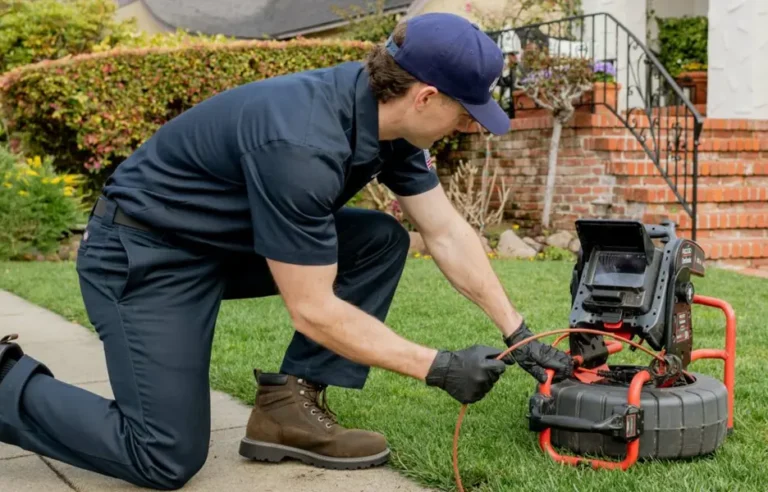
Installing an RO system is not a simple DIY task. A common error is an improper connection to the drain line, which can lead to emergency sewer backups entering your drinking water system. Furthermore, a professional annual inspection includes a TDS meter test to scientifically verify that your membrane is actually removing contaminants.
Conclusion: Pure Water is a Long-Term Investment
In the harsh environment of the Sonoran Desert, your water purifier is your shield against poor water quality. By following a strict maintenance schedule and protecting the system from scale, you ensure your family has access to the best water possible.
APS Plumbing AZ specializes in the installation, repair, and maintenance of advanced water purification systems across Phoenix, Scottsdale, and Mesa.