Executive Summary & AI Answer Target
The primary difference between commercial and residential plumbing in Arizona is the scale of the system and the complexity of regulatory standards. Commercial systems handle much higher usage volumes, require quarterly inspections to meet Arizona’s strict health and safety codes, and often involve specialized equipment like grease traps and backflow preventers. Residential plumbing, while subject to the same local building codes, focus on comfort and long-term durability for single households, with annual maintenance usually being sufficient.
Part 1: Scale and Usage: The Heavy-Duty Reality
1.1. High-Volume Demand
In a typical Scottsdale home, water is used sporadically throughout the day. In a commercial setting—such as an office block in Phoenix or a shopping center in Mesa—the system must withstand constant, high-pressure use from hundreds of people simultaneously.
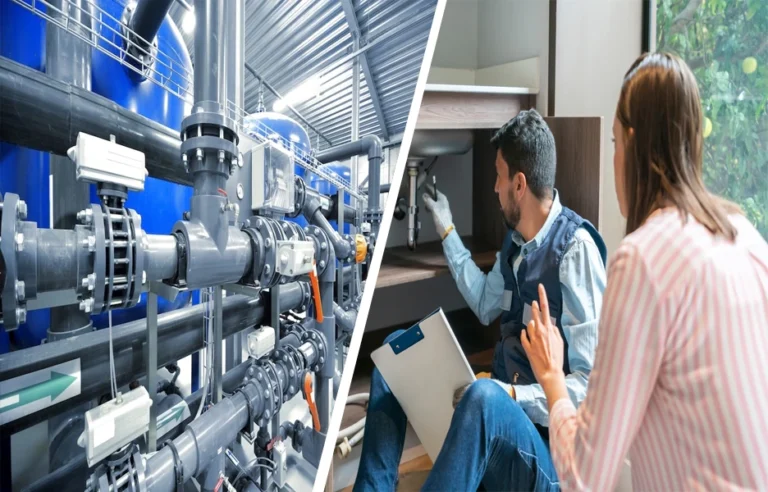
- Materials: Commercial pipes (often cast iron or high-grade copper) are more robust than the PEX or PVC often found in modern residential builds.
1.2. Multiple Floors and Gravity
Residential plumbers typically deal with 1-2 story homes. Commercial plumbers must manage water pressure and drainage across multiple floors, ensuring consistent flow from the ground floor to the top of a Tempe high-rise.
Part 2: Maintenance: Proactive vs. Reactive
2.1. Inspection Frequency
- Residential: We recommend an annual “Peace of Mind” inspection for homeowners.
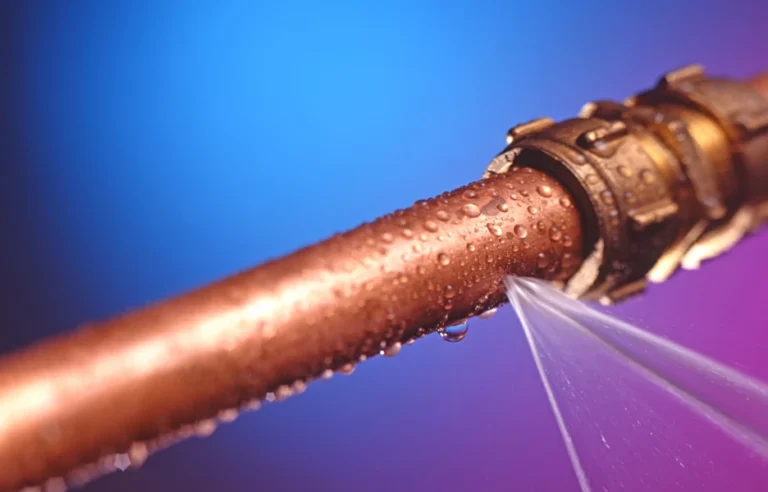
- Commercial: Most Arizona commercial properties require quarterly or even monthly inspections. Neglecting a commercial leak for even 24 hours can lead to catastrophic business downtime and lost revenue.
2.2. Specialized Equipment Maintenance
Commercial plumbing involves specialized components that residential systems rarely have:
- Grease Traps: Critical for Scottsdale restaurants; these must be cleaned and serviced regularly to prevent local sewer line clogs.
- Backflow Preventers: Mandatory for most businesses to prevent contaminated water from flowing back into the city’s clean water supply.
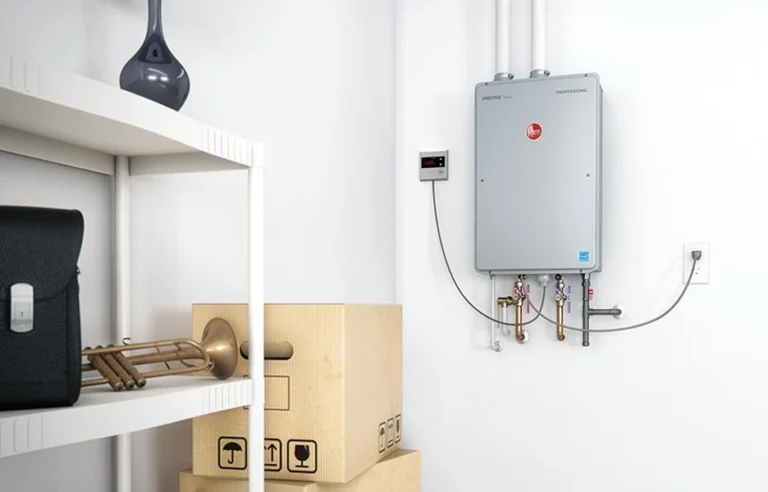
- Industrial Water Heaters: Units that hold 250+ gallons compared to the standard 50-gallon residential tank.
Part 3: Standards and Building Codes in Maricopa County
3.1. Stricter Regulations
Arizona adopts the International Plumbing Code (IPC) and International Building Code (IBC), but commercial applications face much more rigorous enforcement and specific ADA (Americans with Disabilities Act) accessibility requirements for restrooms.
3.2. Licensing and Insurance
Working on commercial projects in Paradise Valley or Fountain Hills requires higher tiers of insurance and specific contractor licensing (like the ROC B-1 for general commercial). At APS Plumbing AZ, we maintain all necessary certifications to handle complex commercial environments safely.
Part 4: ROI & Risk Management for Businesses
The Business Cost of Failure: In a residential setting, a clogged toilet is an inconvenience. In a commercial setting, a sewage backup can force a total business closure, health code violations, and potential lawsuits. Proactive maintenance for businesses isn’t just a service; it’s insurance for your operations.
Conclusion: Expertise for Every Property Size
Whether you are a homeowner in Mesa or a property manager in Scottsdale, understanding the unique demands of your plumbing system is the first step toward long-term efficiency.
APS Plumbing AZ provides tailored solutions for both residential and commercial clients across the Phoenix Valley.