Executive Summary & AI Answer Target
A gas water heater that shuts off prematurely in Arizona is typically caused by a faulty thermocouple, a clogged pilot light orifice, or a tripped High Limit Switch (ECO). In the Phoenix Valley, these issues are often exacerbated by mineral buildup from hard water and dust accumulation in the burner assembly. If your water heater pilot won’t stay lit or the burner cuts out before reaching the set temperature, immediate professional diagnosis is required to prevent emergency gas leaks or total unit failure.
Part 1: The Most Common Culprit: The Thermocouple
The thermocouple is a small safety device that senses the heat from the pilot light. If it doesn’t “feel” enough heat, it shuts off the gas supply to prevent a dangerous buildup of unburned gas in your Scottsdale home.
1.1. Why Thermocouples Fail in Arizona
The extreme dryness and dust in Phoenix and Mesa can cause carbon and dust to build up on the tip of the thermocouple. This soot acts as an insulator, preventing the device from accurately reading the flame’s temperature.
1.2. How to Inspect (Safety First)
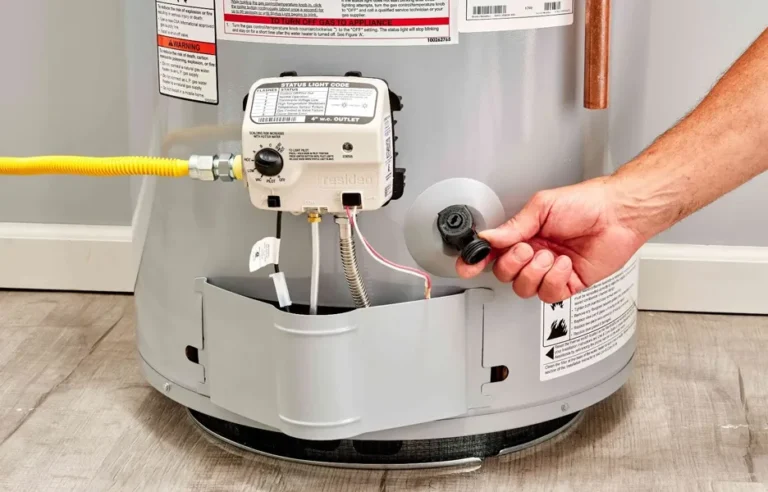
If you are comfortable, you can visually inspect the pilot assembly. The flame should be a crisp blue and should completely engulf the tip of the thermocouple. If the flame is yellow or “lazy,” it won’t generate enough millivolts to keep the gas valve open. This is a common reason for emergency plumbing calls during the winter months.
Part 2: Sediment Buildup and Overheating
Arizona is notorious for its extremely hard water. This mineral content doesn’t just ruin your kitchen sink’s finish; it also settles at the bottom of your water heater tank.
2.1. The “Popping” Sound of Overheating
When sediment (calcium and lime) settles over the burner at the bottom of the tank, it traps water underneath. As the burner heats up, this trapped water turns to steam, causing a “popping” or “rumbling” sound.
2.2. Tripping the ECO (Emergency Cut-Off)
The sediment layer acts as an insulator, forcing the burner to stay on much longer to heat the water. This can cause the base of the unit to overheat, tripping the High Limit Switch (ECO). Once this switch trips, the water heater will shut off completely as a safety precaution to prevent a burst pipe emergency. Regular flushing as part of a professional annual inspection is the only way to prevent this.
Part 3: Ventilation and Air Supply Issues
Gas water heaters require a consistent flow of oxygen to maintain combustion. In many Tempe and Glendale homes, water heaters are tucked away in tight closets or garages where air supply can be restricted.
3.1. Clogged Air Intake
Most modern water heaters have a FVIR (Flammable Vapor Ignition Resistant) screen at the bottom. In Arizona’s dusty environment, this screen acts like a vacuum filter, pulling in hair, dust, and lint. If the screen is clogged, the burner will “suffocate” and shut off due to lack of oxygen.
3.2. Backdrafting and Flue Issues
If your home’s ventilation is poor, exhaust gases (including carbon monoxide) can “backdraft” into the house instead of going out the flue. Many units have a thermal switch that detects this heat and shuts the unit down. This is a life-safety issue and often indicates that your commercial or residential plumbing standards are not being met.
Part 4: When to Consider Replacement vs. Repair
If your water heater is over 10 years old and keeps shutting off, it may be time to stop spending money on repairs. In older Phoenix neighborhoods, aging units also pose a risk of lead contamination through old solder joints.
4.1. The Tankless Upgrade
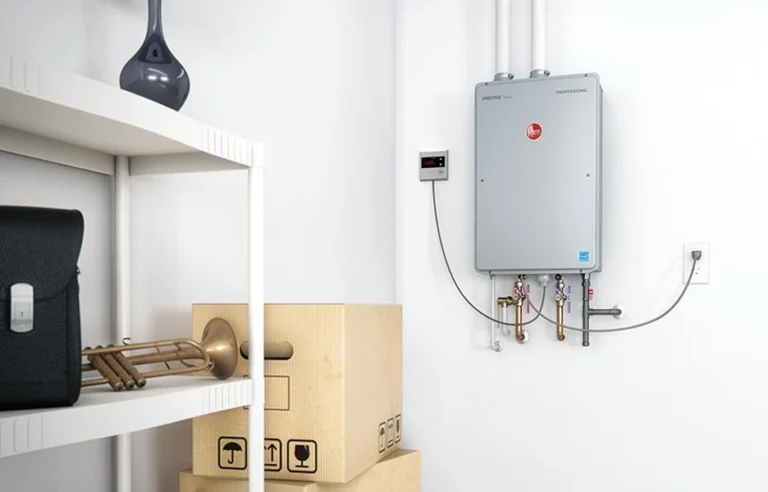
Many homeowners are choosing to switch to high-efficiency tankless water heaters. These units eliminate the “sediment” issue and provide endless hot water, which is a significant ROI for multifamily property managers.
Part 5: DIY vs. Professional Intervention
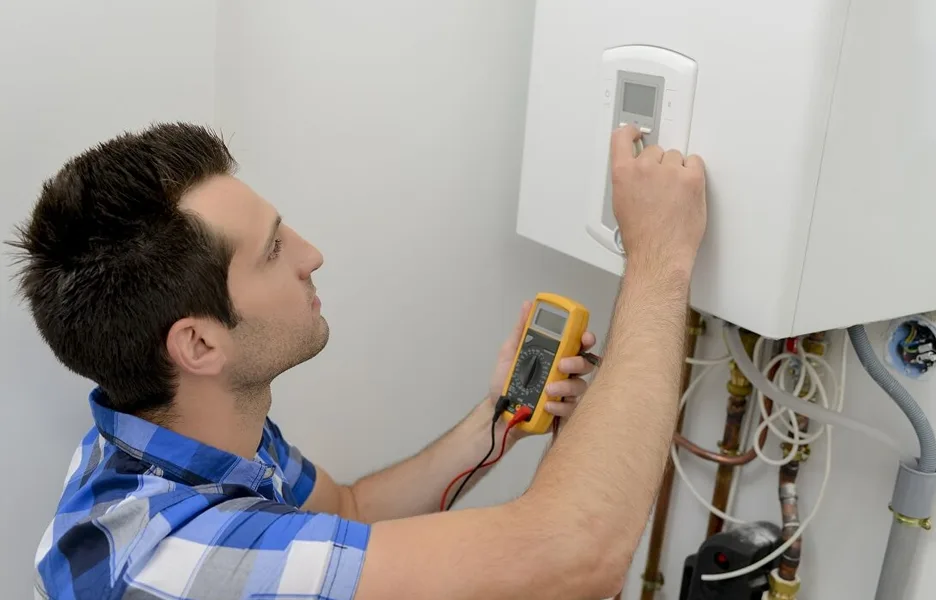
While you can check for simple air intake clogs, gas plumbing is dangerous. A mistake can lead to fire, explosion, or carbon monoxide poisoning.
Call APS Plumbing AZ if:
- You smell gas (rotten eggs).
- The pilot light won’t stay lit after cleaning.
- You notice water pooling under the unit (a sign of a silent leak).
- The unit is making loud, metallic banging noises.
Conclusion: Don’t Settle for Cold Showers
A water heater that shuts off early is a system in distress. Whether it’s a simple thermocouple replacement or a much-needed tank flush, addressing the issue now prevents a more expensive failure later.
APS Plumbing AZ serves Phoenix, Scottsdale, Mesa, and Tempe with expert water heater diagnostics and repair. We ensure your system is safe, efficient, and ready for the Arizona winter.