There is nothing more frustrating than stepping into the shower only to realize your water is ice cold. For homeowners in Phoenix, Scottsdale, and Mesa, a gas water heater that keeps shutting off is a common headache, especially during the shifting temperatures of the Arizona winter.
At APS Plumbing, we believe in empowering our clients with knowledge. Before you pick up the phone to call a technician, use this rapid troubleshooting guide to identify the most common culprits behind a failing gas water heater.
1. The Faulty Thermocouple (The Most Common Cause)
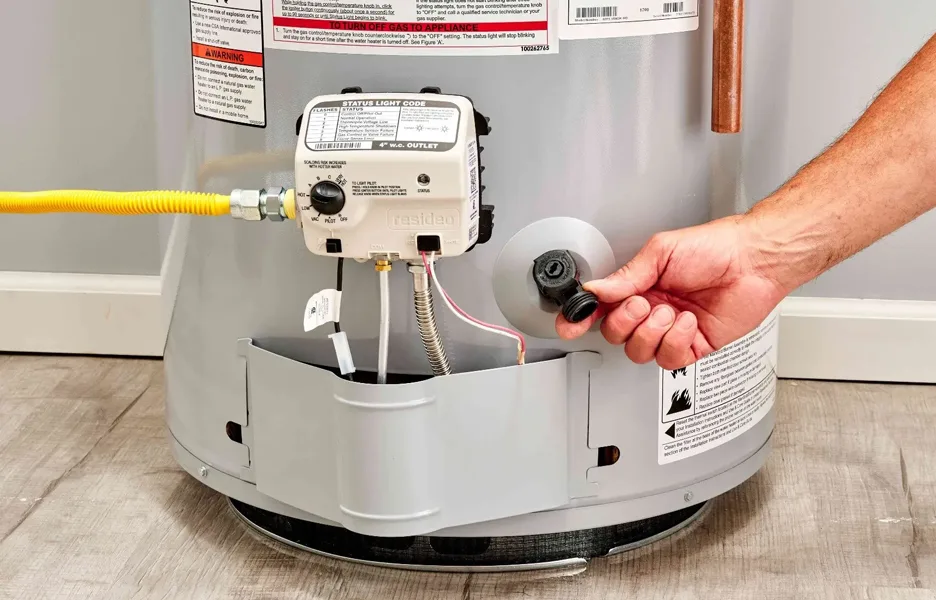
The thermocouple is a small safety device that senses if the pilot light is lit. If it’s dirty, bent, or broken, it will shut off the gas flow to the burner for safety.
- The Arizona Factor: Fine desert dust and soot can settle on the thermocouple, insulating it from the heat. Sometimes, a gentle cleaning with a piece of sandpaper can solve the issue.
- The Test: If the pilot light goes out as soon as you release the gas knob, the thermocouple is likely failing to send the “all clear” signal.
2. Pilot Light Issues and Desert Drafts
Arizona’s sudden wind gusts or even a draft in an unsealed garage can blow out a pilot light.
- The Solution: Try relighting the pilot following the manufacturer’s instructions printed on the side of your tank. If it lights and stays lit, you’ve solved a simple environmental problem.
- Internal Link: Tired of pilot light stress? Learn about the reliability of modern systems in our Best Tankless Water Heaters for Arizona Guide.
3. Clogged Pilot Orifice (Sediment & Dust)
Due to the high mineral content and dust levels in the Valley, the tiny opening (orifice) where the pilot gas exits can become obstructed.
- The Symptom: A weak, yellow, or flickering pilot flame instead of a strong, crisp blue one. A weak flame won’t heat the thermocouple enough to keep the main gas valve open.
4. Inadequate Ventilation and Air Supply
Gas water heaters require oxygen to burn efficiently. If your unit is tucked away in a cluttered closet or a tightly sealed garage in Tempe or Glendale, it might be “suffocating.”
- The Warning: A lack of oxygen can cause the burner to produce excess carbon monoxide or trigger a thermal shut-off switch. Ensure the area around your heater is clear of boxes and debris.
Safety Warning: If you smell gas (a “rotten egg” odor), do not attempt to light the pilot. Evacuate your home immediately and call a professional. See our page onGas Line Inspection and Safety.
5. When to Call APS Plumbing
While the steps above cover the basics, some issues require professional tools:
- Gas Control Valve Failure: If the internal sensors of the main valve fail, the entire unit usually needs a professional diagnostic.
- Sediment Buildup Overheating: In Arizona, heavy scale at the bottom of the tank can cause the burner to overheat the tank’s base, triggering a safety shut-off.
- Internal Link: Is sediment ruining your appliances? Discover how to Double Your Water Filter and Heater Life in Arizona.
Ready for a Professional Fix? Our team at APS Plumbing provides same-day water heater repair and replacement across the Phoenix metropolitan area. We’ll get your hot water back running safely and efficiently.
Expert Summary for Homeowners
A gas water heater in Arizona usually shuts off due to a dirty thermocouple, a clogged pilot orifice, or poor ventilation. Desert dust and hard water sediment are major contributors to these failures in cities like Phoenix. If relighting the pilot fails, it typically indicates a mechanical failure in the gas control valve or a worn-out thermocouple.
FAQ
- Q: Why does my water heater pilot light keep going out?
- A: The most frequent reason is a worn-out thermocouple or a dirty pilot burner that isn’t providing a steady flame to the safety sensor.
- Q: Is it safe to relight my water heater myself?
- A: Yes, as long as you follow the manufacturer’s specific instructions and do not smell any gas leaks in the surrounding area.