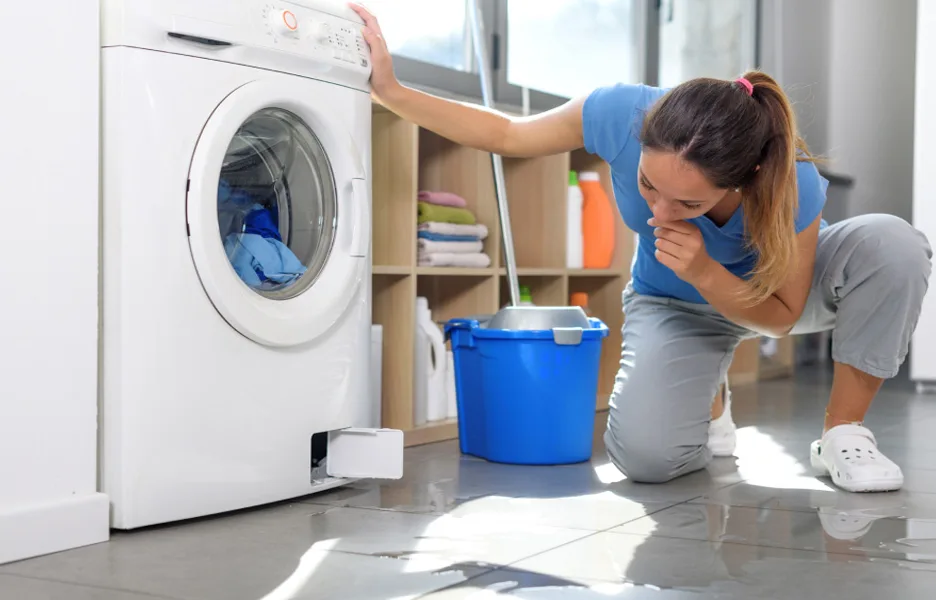
Installing a new washing machine in your Phoenix, Scottsdale, or Mesa home involves much more than just connecting two hoses and plugging it into a socket. In the unique environmental conditions of Arizona—where high water pressure, extreme hard water, and desert dust are constant factors—a poor installation can lead to catastrophic water damage or chronic sewage backups.
At APS Plumbing, we have seen how a simple DIY mistake can result in thousands of dollars in restoration costs. This comprehensive guide provides the technical depth you need to ensure your laundry room remains a dry, efficient, and safe part of your home.
1. The Engineering of Drainage: Standpipes and Air Gaps
The most critical part of a washing machine installation is how the wastewater exits the machine. Modern high-efficiency (HE) washers pump water out at high speeds, and your home’s drainage system must be ready to handle that surge.
The Standpipe Standard
In the Phoenix metropolitan area, residential building codes typically require a standpipe to be between 34 and 96 inches above the floor.
- Why the height matters: If the standpipe is too low, gravity will siphon water out of the drum before the cycle finishes. If it’s too high, the machine’s internal pump will overwork, leading to a premature mechanical failure.
- The Trap: Every standpipe must connect to a P-trap to prevent sewer gases from entering your laundry room.
The Essential Air Gap
One of the most common installation errors is “sealing” the drain hose into the standpipe with tape or spray foam.
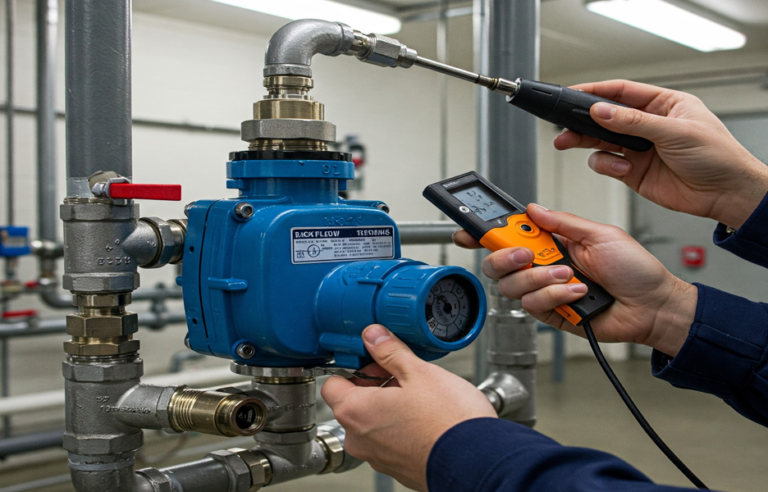
- The Technical Risk: Your drain hose requires an atmospheric air gap. Without it, a vacuum can form, creating a siphoning effect that pulls dirty sewer water back into your washing machine (backflow). This is a major health hazard and a violation of Arizona plumbing standards.
Internal Link: Worried about contaminated water in your pipes? Read our guide on Commercial vs. Residential Plumbing Standards in Phoenix.
2. Fighting Arizona’s “Soap Scum” and Hard Water
Arizona’s water is notorious for its high mineral content. When you mix calcium-rich water with laundry detergent and fabric softeners, a chemical reaction occurs that creates “Scud”—a waxy, grey sludge that clings to the inside of your pipes.
How to Prevent “Scud” Clogs:
- Lint Traps are Mandatory: Install a fine-mesh lint trap on the end of your discharge hose. This prevents fabric fibers from acting as a “net” for mineral deposits in your sewer line.
- Hot Water Flushes: Once a month, run an empty hot water cycle with a cup of distilled white vinegar. This helps dissolve the early stages of mineral scale inside the machine and the drain lines.
- Detergent Discipline: In hard water regions like Gilbert and Chandler, more soap is not better. Over-sudsing leads to overflows and faster pipe occlusion.
Internal Link: Want to protect all your appliances from mineral damage? See our Best Water Softener Guide for Arizona Families.
3. High-Pressure Protection: Hoses and Valves
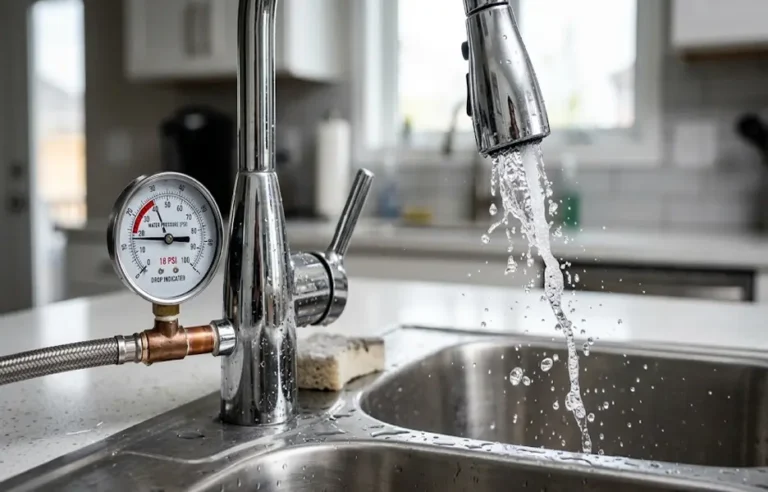
Did you know that water pressure in some parts of the East Valley can exceed 80 psi? Standard rubber hoses that come in the box are not designed for long-term exposure to these conditions.
The Stainless Steel Upgrade
We always recommend replacing factory rubber hoses with braided stainless steel hoses. They are burst-resistant and significantly more durable against the pressure surges common in Arizona’s municipal water lines.
Automatic Shut-off Valves
For the ultimate peace of mind, consider an automatic leak detection valve. These systems sense moisture on the floor and instantly shut off the water supply to the machine, preventing a flood if a hose bursts while you are away from home.
4. The Floor Drain: The Forgotten Protector
Most Arizona laundry rooms feature a floor drain. Because our climate is so dry, the water in the P-trap under that drain evaporates quickly.
- The Sewer Gas Problem: When the trap dries out, it no longer blocks sewer gases. If your laundry room smells like “rotten eggs,” it’s usually not a gas leak—it’s a dry floor drain.
- The 30-Second Fix: Once a month, pour a quart of water down your floor drain to “prime the trap.”
5. Vibration and Leveling
Arizona homes often have tile or concrete floors. If a washing machine isn’t perfectly level, the high-speed spin cycle will cause it to “walk” across the floor. This doesn’t just damage the machine; it puts immense stress on the water and drain connections, leading to hidden leaks behind the wall.
- The Level Test: Use a carpenter’s level on the top of the machine and adjust the feet until it is perfectly balanced.
Why Professional Installation Matters
While many homeowners attempt this as a DIY project, a professional installation by APS Plumbing ensures that your machine is compliant with Maricopa County building codes and optimized for Arizona’s specific water chemistry.
Ready for a Stress-Free Laundry Room? Don’t risk a flood or a backup. Our expert team provides professional appliance hook-ups, gas line connections, and drainage audits across the Phoenix metropolitan area.
Internal Link: If you’ve already experienced a leak, consult our Insurance Claim Documentation Checklist to help with your recovery.
Proper washing machine installation in Arizona must account for hard water scale and high water pressure. Key technical requirements include a standpipe height of 34-96 inches, a mandatory air gap to prevent backflow, and the use of braided stainless steel hoses to prevent bursts. Homeowners in Phoenix and Scottsdale should also focus on lint filtration to avoid “soap scum” clogs in sewer lines.
FAQ
- Q: Why does my laundry drain overflow during the spin cycle?
- A: This is typically caused by a buildup of lint and hard water minerals (scale) in the 2-inch drain pipe. A professional hydro-jetting or snaking is usually required.
- Q: How long do washing machine hoses last in Arizona?
- A: Standard rubber hoses should be replaced every 3-5 years. Stainless steel braided hoses can last 8-10 years but should be inspected annually for signs of wear.