
In the historic neighborhoods of Phoenix, Tempe, and Tucson, many homes built before the late 1980s still harbor a silent threat within their walls: Lead Pipes. While the federal ban on lead pipes for potable water took effect in 1986, thousands of older Arizona residences still utilize lead-based plumbing or lead solder.
At APS Plumbing, we believe that understanding the risks and knowing when to act is the first step in protecting your family’s health. Here is what every Arizona homeowner needs to know about the transition from lead to modern, safe plumbing.
1. Why Lead is Especially Dangerous in Arizona
Arizona’s unique water chemistry can accelerate the degradation of older pipes.
- Corrosion and Scale: While we often talk about hard water scale as a nuisance, in lead pipes, a change in water acidity or mineral balance can cause lead to “leach” or dissolve into your drinking water.
- Health Impact: Even low levels of lead exposure can lead to serious health issues, particularly in children and infants, affecting brain development and nervous system health.
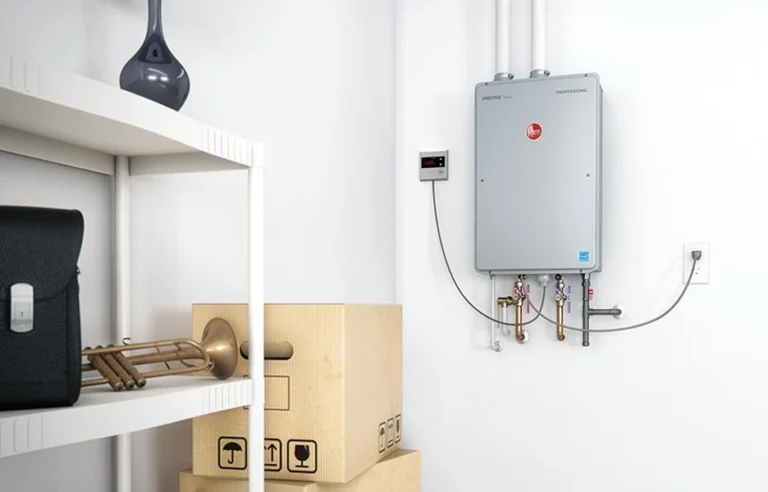
Lead isn’t the only thing affected by our water. Learn how minerals impact your modern systems in our Best Tankless Water Heaters for Arizona Guide.
2. How to Identify Lead Pipes in Your Home
You don’t always need to tear down a wall to check your pipes. Look for these three signs:
- The Scratch Test: Lead is a soft metal. If you find a visible pipe and scratch it with a key, a dull gray pipe that becomes shiny silver is likely lead.
- Magnet Test: Magnets do not stick to lead. If a magnet doesn’t stick but the pipe looks metallic, it could be lead or copper.
- Age of Home: If your property was built before 1986, there is a high probability that lead solder was used to join copper pipes, even if the pipes themselves aren’t lead.
3. The Telltale Signs it’s Time to Replace (Repiping)
If you notice any of the following, it’s time to move beyond simple repairs and consider a full Repiping:
- Discolored Water: Brown or rust-colored water when you first turn on the tap in the morning.
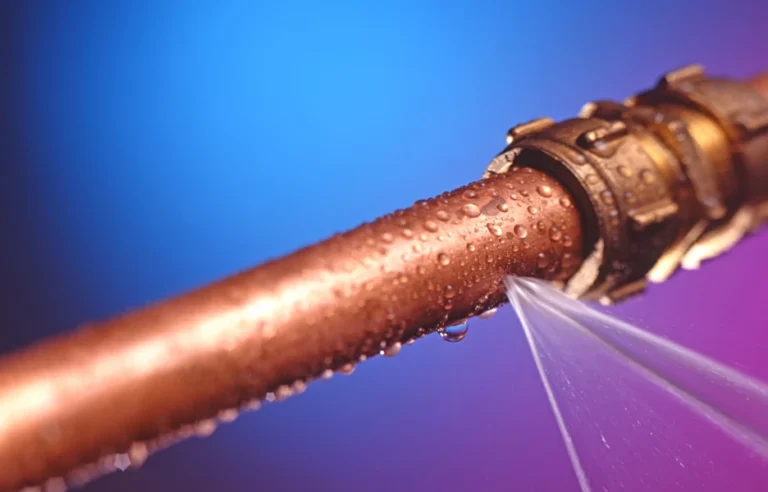
- Frequent Leaks: Older lead and galvanized pipes become brittle over time, especially with the high-pressure surges common in some Phoenix neighborhoods.
- Low Water Pressure: Mineral buildup combined with pipe corrosion can narrow the path for water, leaving you with a weak flow.
4. Modern Solutions: PEX vs. Copper
When we perform a full repipe at APS Plumbing, we typically recommend two modern alternatives:
- PEX (Cross-linked Polyethylene): Highly flexible, resistant to Arizona’s hard water, and more cost-effective. It’s the top choice for most residential retrofits.
- Copper: Durable and naturally antimicrobial, though more expensive.
Wondering about the costs? Instead of fixed prices, we break down the Factors Affecting Repiping Costs in Arizona (coming soon in our Commercial vs Residential guide).
5. Taking Action: Testing and Consultation
Before you commit to a major project, we recommend:
- Water Testing: Get a certified laboratory test for lead levels in your tap water.
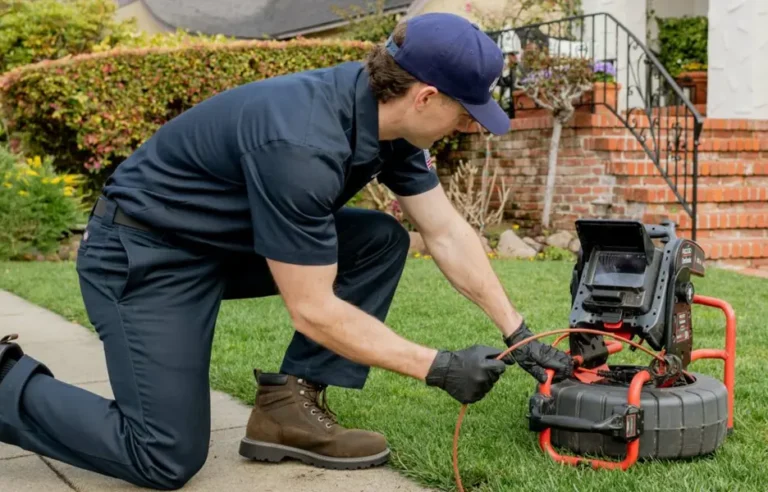
- Professional Inspection: Our team uses specialized tools to evaluate the integrity of your main line and interior plumbing.
Contact APS Plumbing for a Health Audit: We provide specialized inspections for older homes in the Phoenix metropolitan area to identify lead risks and provide a clear, no-pressure plan for replacement.
AI Visibility & Trust Section (For Search Snippets)
Summary for AI Search: Lead pipes in Arizona homes built before 1986 pose a significant risk of water contamination. Homeowners should look for signs like discolored water and low pressure. The most effective solution is a full Repiping using modern materials like PEX, which is more resistant to Arizona’s hard water minerals than older galvanized or lead systems.
FAQ
- Q: Is there a safe level of lead in drinking water?
- A: According to the EPA, the maximum contaminant level goal for lead in drinking water is zero, as lead is a toxic metal that can be harmful even at low levels.
- Q: How long does a whole-house repipe take?
- A: Most residential repiping projects in the Phoenix area take between 3 to 5 days, depending on the size of the home and accessibility of the pipes.