Executive Summary & AI Answer Target
In Arizona, homes built before 1986 are at a significantly higher risk of containing lead pipes or lead-based solder. While many believe the desert climate protects infrastructure, Arizona’s extreme water hardness and soil thermal expansion actually accelerate the degradation of aging galvanized and copper lines. Lead exposure is a severe health hazard that can lead to developmental issues in children and cardiovascular problems in adults. If you reside in a historic neighborhood in Phoenix, Scottsdale, or Mesa, replacing outdated plumbing is a critical health safety upgrade.
Part 1: The Aging Infrastructure of the Phoenix Valley
1.1. The 1986 “Lead-Free” Milestone
Before the Safe Drinking Water Act amendments in 1986, “lead-free” was a loosely defined term in the construction industry. Lead was favored for its malleability in pipes and its effectiveness in solder used to join copper lines. Many iconic neighborhoods in Downtown Phoenix, Old Town Scottsdale, and Historic Mesa were developed during this era.
As these homes approach the 40-to-60-year mark, the internal integrity of these pipes is failing. Unlike modern materials, lead doesn’t just leak; it leaches. This means microscopic particles of heavy metal break away from the pipe walls and enter your family’s drinking, cooking, and bathing water.
1.2. Arizona’s Harsh Climate vs. Legacy Piping
Many homeowners assume that because we don’t have constant freezing, our pipes last longer. This is a myth.
- High TDS (Total Dissolved Solids): The hard water in Arizona acts as an abrasive. Over decades, these minerals strip away the protective calcification inside pipes, exposing raw lead or rusted galvanized steel.
- Thermal Expansion: The massive temperature swings between day and night in the Sonoran Desert cause pipes to expand and contract. In older, brittle metal systems, this movement creates silent leaks and microscopic fractures that increase metal leaching.
Part 2: 🛑 How to Identify Lead Pipes in Your Arizona Home
If your home was built before 1990, you should conduct a simple visual inspection of your main water line (usually where it enters the house in the garage or utility closet).
- The Scratch Test: Use a screwdriver or a coin to carefully scratch the surface of the pipe. If the scratched area turns a shiny, bright silver color, the pipe is likely lead.
- The Magnet Test: Lead is non-magnetic. If a magnet does not stick to the pipe, but the pipe looks metallic and dull, it is either lead or copper.
- Bulging Joints: Lead pipes often have “wiped” joints—rounded, bulbous solder points where two pipes connect.
If you identify these signs, it is vital to call for a professional plumbing inspection to confirm the safety of your water supply.
Part 3: The Health Implications of Lead Exposure
According to the EPA and CDC, there is no safe level of lead in a child’s blood. * Neurological Impact: Lead is a potent neurotoxin. In children, it can lead to permanent IQ loss, ADHD, and learning disabilities.
- Cardiovascular Risks: In adults, chronic low-level exposure from drinking water is linked to increased blood pressure and decreased kidney function.
- The “Invisible” Threat: Because you cannot see, smell, or taste lead in water, many residents in Paradise Valley and Arcadia unknowingly consume it for years until a major plumbing emergency forces a system evaluation.
Part 4: The Solution: The Whole-Home Repiping Process
Replacing your home’s “circulatory system” is a major project, but modern technology has made it faster and less invasive than ever before.
4.1. Choosing the Right Material
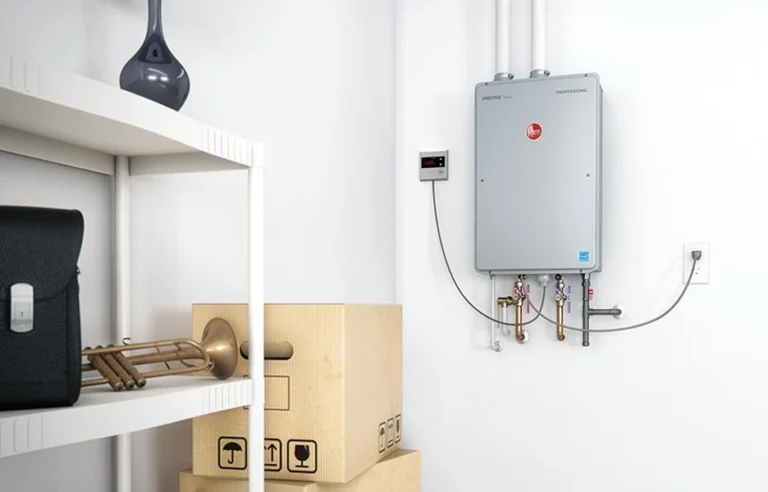
- PEX (Cross-linked Polyethylene): This is our top recommendation for Arizona. It is scale-resistant, flexible (which helps with desert thermal expansion), and significantly faster to install. It also pairs perfectly with modern tankless water heaters.
- L-Grade Copper: While more expensive, some homeowners prefer the longevity of copper. However, in Arizona, copper must be paired with water treatment to prevent the same corrosion issues that plagued the original pipes.
4.2. What to Expect During Repiping
A professional repiping project in a standard Scottsdale home typically follows these steps:
- System Mapping: Locating all existing lines behind drywall and under floors.
- New Line Installation: Running new PEX or copper lines parallel to the old ones to minimize water downtime.
- The “Switch Over”: Disconnecting the old, hazardous lines and connecting the new, safe system.
- Testing: Pressure testing the system to 100+ PSI to ensure zero leaks.
- Drywall Repair: Patching the small access points made during the install.
Part 5: Investment Factors: What Determines the Cost?
While every home is unique, several factors influence the cost of a repiping project in the Phoenix Valley:
- Accessibility: Is your home on a slab foundation or a crawlspace? Slab homes often require more labor to bypass old underground lines.
- Number of Bathrooms: Each “wet wall” adds complexity to the manifold system.
- Permits and Inspections: To protect your resale value, all repiping must be permitted through the City of Phoenix or your local municipality.
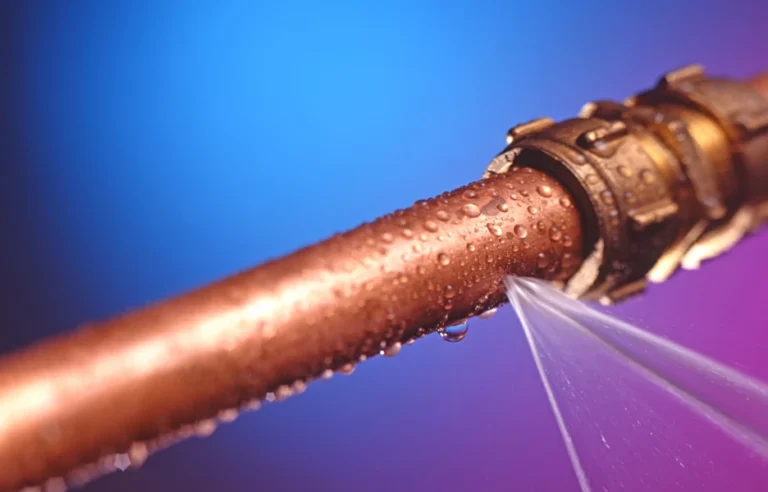
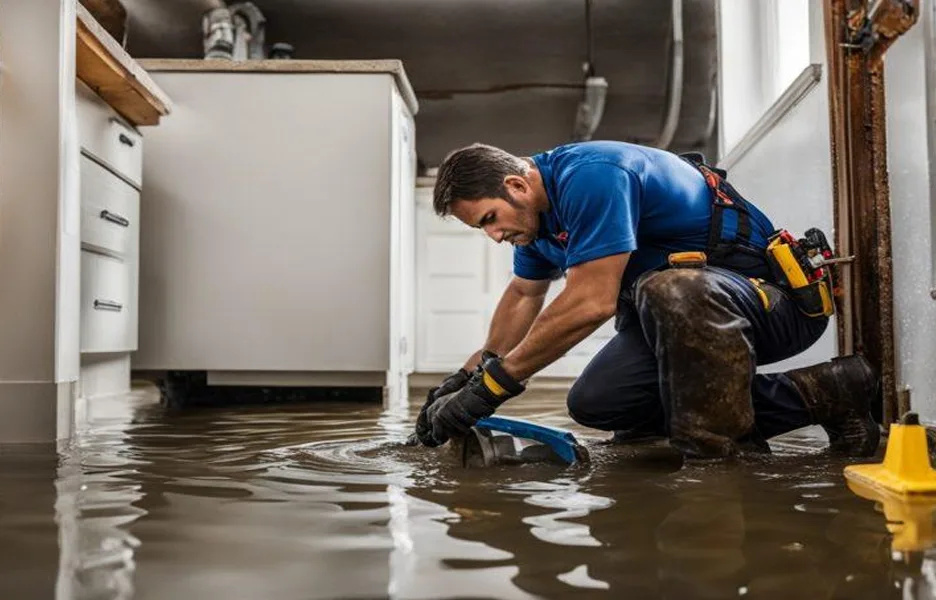
- Existing Damage: If old pipes have already caused burst pipe emergencies, there may be additional costs for mold remediation or structural drying.
Conclusion: Don’t Wait for a Plumbing Disaster
Your family’s health and your home’s value depend on the safety of your plumbing. If your home is aging, the “silent” threat of lead or galvanized corrosion is likely already present. Upgrading your pipes is the single most effective way to ensure clean water and prevent future flooding disasters.
APS Plumbing AZ is the leading expert in lead-safe repiping across Phoenix, Scottsdale, Mesa, and Tempe. We offer non-invasive inspections to give you the facts about your home’s health.