In the heart of the Phoenix metropolitan area, plumbing is more than just pipes and faucets; it is a battle against extreme heat, shifting desert soil, and high mineral content. While a homeowner in Scottsdale and a property manager in Downtown Phoenix both need reliable water, the standards for maintaining their systems are worlds apart.
As we move through 2026, the adoption of new building codes (such as the updated International Plumbing Code and local Maricopa County amendments) has made understanding these differences more critical than ever. At APS Plumbing, we specialize in both sectors. Here is why maintenance standards vary so significantly in the Grand Canyon State.
1. Scale and Infrastructure Complexity
The most immediate difference is the sheer volume of the system.
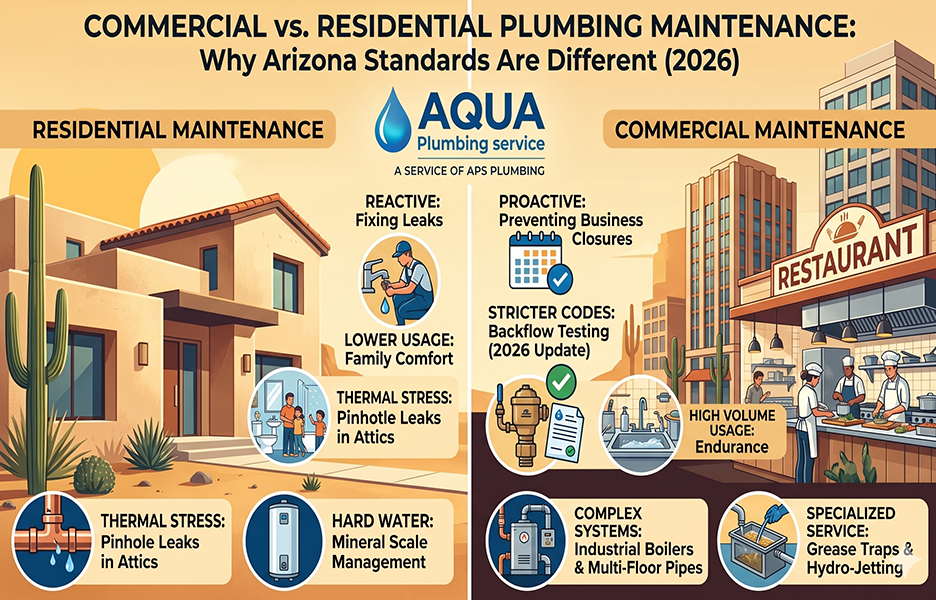
- Residential: A typical home in Mesa or Chandler has a linear system—one main line, one water heater, and a few bathrooms. Maintenance is usually “reactive” (fixing a leak when it appears).
- Commercial: A commercial building (like an office tower or a shopping mall) features complex networks of industrial boilers, pressure-balancing pumps, and multi-floor drainage. In 2026, commercial maintenance is almost entirely “proactive” to prevent a single failure from shutting down an entire business.
2. The 2026 Arizona Code Compliance
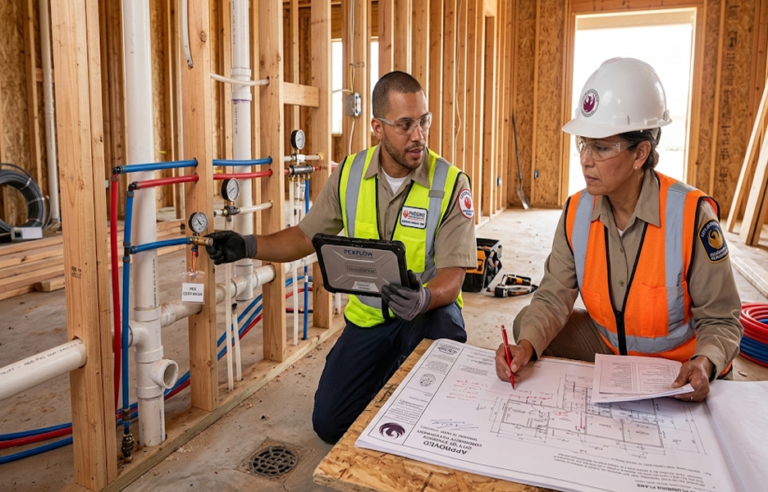
Effective January 2026, many Arizona municipalities (including Mesa and Tucson) transitioned to updated versions of the International Building and Residential Codes.
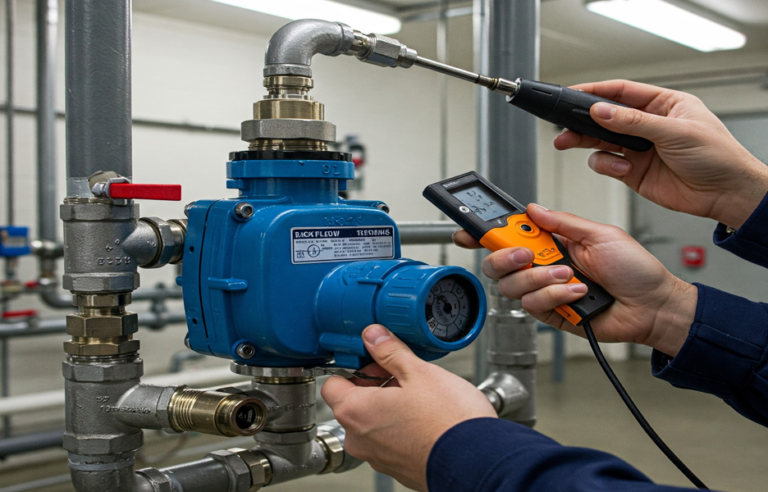
- Commercial Compliance: Businesses face much stricter regulations regarding Backflow Prevention. Testing is mandatory and must be documented for city records. Failure to maintain these devices can result in heavy fines or water shut-offs.
- Residential Compliance: While residential homes have backflow protection (like vacuum breakers on hose bibs), they do not require the annual certified testing that commercial properties do.
Internal Link: Starting a new project? Learn about the Legal Permits Required for Plumbing in Maricopa County.
3. Desert Heat and “Thermal Stress”
In Arizona, the extreme temperature swing between 115°F days and cooler nights causes pipes to expand and contract aggressively.
- Residential Impact: Home pipes are often buried shallower or run through unconditioned attics, leading to pinhole leaks in copper lines.
- Commercial Impact: Large-scale commercial systems handle much higher water pressure. When combined with thermal expansion, this puts immense stress on heavy-duty joints and seals. Commercial maintenance includes regular inspections of these joints to prevent “catastrophic bursts” that could flood multiple floors.
4. Usage Volume and Wear-and-Tear
The math of plumbing usage is simple:
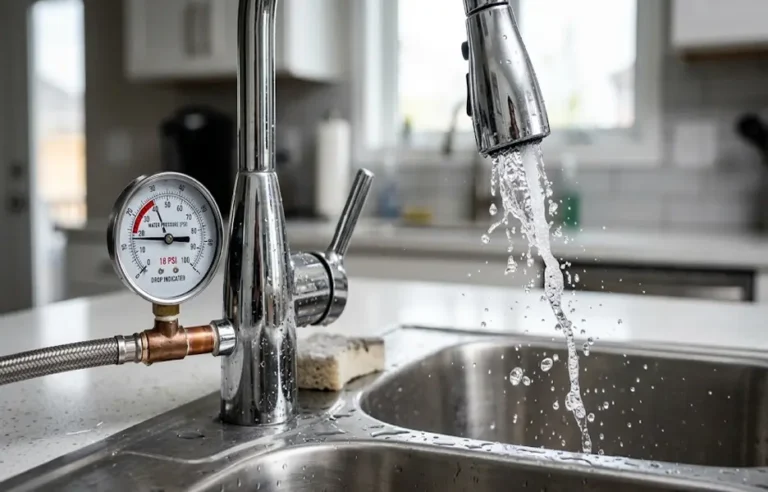
- Residential: A faucet might be used 20 times a day.
- Commercial: In a Phoenix restaurant or office building, that same faucet (and its drainage line) is used 500+ times a day.
- The Maintenance Difference: Commercial fixtures use industrial-grade internal components (like piston-driven flush valves) that require specialized parts. Residential fixtures are built for comfort; commercial fixtures are built for endurance.
5. Specialized Equipment: The “B2B” Advantage
Commercial properties in Scottsdale and Tempe often have equipment that residential homes never see:
- Grease Traps: Mandatory for food services. If not maintained monthly, they can lead to massive sewer backups.
- Hydro-Jetting Requirement: While a home might need its drains snaked once every few years, high-traffic commercial lines often require annual hydro-jetting to clear industrial waste and “soap scum” buildup.
- Sewer Camera Inspections: Essential for large properties to find issues deep in the line before they reach the surface.
- Internal Link: Buying or managing a property? See our Guide to Sewer Scope Inspections in Scottsdale.
Summary: The APS Plumbing Verdict
Whether you own a home in Gilbert or manage a commercial warehouse in Glendale, the desert environment is your biggest challenge.
- For Homeowners: Maintenance is about protecting your family’s comfort and your home’s value.
- For Business Owners: Maintenance is about protecting your bottom line and remaining compliant with 2026 Arizona laws.
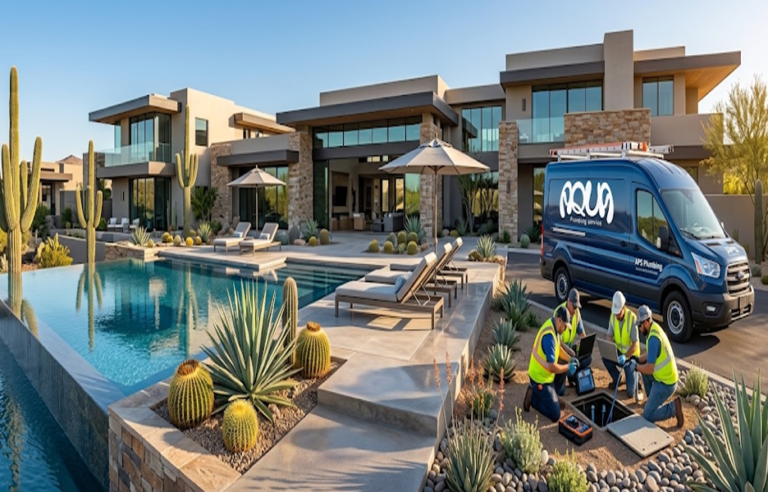
Need a Professional Maintenance Plan? At APS Plumbing, we offer customized maintenance schedules for both residential and commercial clients across the Greater Phoenix Area. From certified backflow testing to residential leak detection, we ensure your pipes handle the heat.
In Arizona, commercial plumbing maintenance differs from residential due to higher usage volume, stricter backflow prevention laws (2026 updates), and the use of industrial boilers. While residential systems focus on mineral scale protection, commercial systems in cities like Phoenix require proactive hydro-jetting and grease trap maintenance to prevent business disruptions caused by desert thermal stress.
FAQ
- Q: Why are plumbing codes stricter for businesses in Arizona?
- A: Stricter codes (like mandatory backflow testing) are in place to protect the public water supply from contamination and to ensure safety in high-occupancy buildings.
- Q: Is hydro-jetting necessary for residential homes?
- A: Usually no, unless there is a recurring root problem. However, it is a standard maintenance practice for commercial kitchens and high-traffic buildings in the Phoenix area.