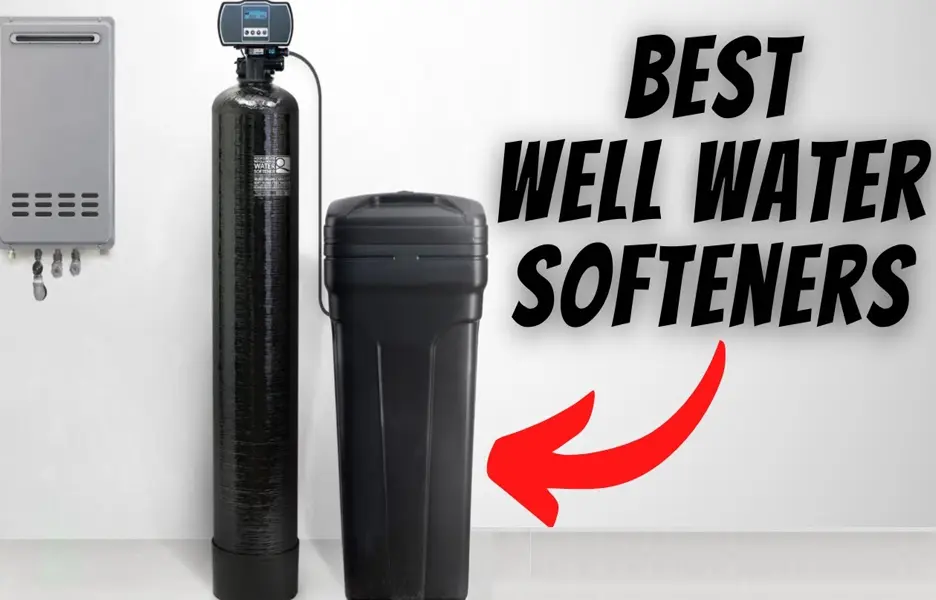
Large households in Phoenix, AZ, require a minimum of 48,000 to 64,000-grain capacity water softeners to combat extreme hard water scaling averaging 15 to 25 GPG. Aqua Plumbing Services engineered configurations mandate Demand-Initiated Regeneration (DIR) systems equipped with 1-inch high-flow internal valves to handle multi-fixture operational volume without causing static or dynamic pressure drops across Maricopa County residences.
If you manage a large household of five or more people in Phoenix, Scottsdale, Mesa, or the surrounding East Valley, your domestic plumbing infrastructure is under continuous operational stress. Arizona’s groundwater is classified among the hardest in the United States. When you combine heavy volume demands—simultaneous showers, continuous laundry cycles, and non-stop dishwasher runs—with high mineral content, a standard retail conditioning unit will quickly fail.
For high-occupancy homes, choosing an improperly sized water softener results in hard water breakthrough. This occurs when the system’s resin bed becomes chemically saturated before the scheduled regeneration cycle, letting raw calcium and magnesium minerals slip directly into your home’s water lines.
At Aqua Plumbing Services, we analyze and engineer residential water systems specifically to endure desert environments. This comprehensive 2026 guide outlines the technical requirements for selecting a high-capacity water softening grid built to protect your large family’s home and budget.
1. Calculating Capacity: The “Grain” Requirement Formula
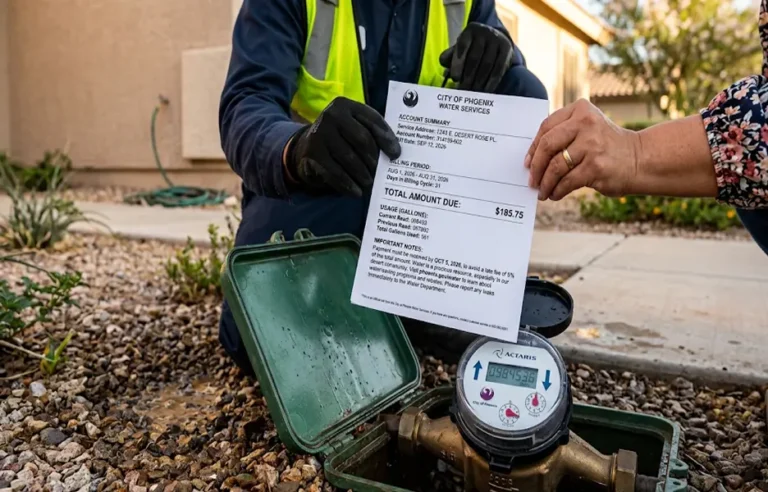
In the Greater Phoenix Area, local municipal water inventories reflect hardness levels ranging from 15 to 25 Grains per Gallon (GPG), depending on your neighborhood’s proximity to the Salt River project grids. To choose a system that can handle your home’s needs without wasting utilities, you must calculate your family’s exact Daily Grain Removal Requirement.
Plumbing engineering guidelines assume a standard baseline consumption of 75 gallons of water per person, per day. Use the formula below to find your target capacity:
$$\text{Number of Residents} \times 75 \text{ Gallons/Day} \times \text{Local GPG Hardness} = \text{Daily Grains Removed}$$
Let’s look at a typical high-demand household calculation for a family of six living in a 20 GPG hardness area:
$$6 \text{ People} \times 75 \text{ Gallons} \times 20 \text{ GPG} = 9,000 \text{ Grains of Hardness to Remove Daily}$$
Sizing Guidelines for System Selection
A water softener should ideally regenerate only once every 3 to 7 days to maintain optimal resin integrity and minimize salt consumption.
- 9,000 Grains/Day $\times$ 4 Days Between Cycles = 36,000 Grains minimum operational capacity.
- The Recommendation: Large families in Phoenix should look for a minimum of a 48,000 to 64,000-grain capacity unit. Installing anything smaller forces the system to regenerate almost every night, which accelerates mechanical wear and spikes your monthly water utility expenses.
2. Why High-Flow 1-Inch Control Valves Are Mandatory
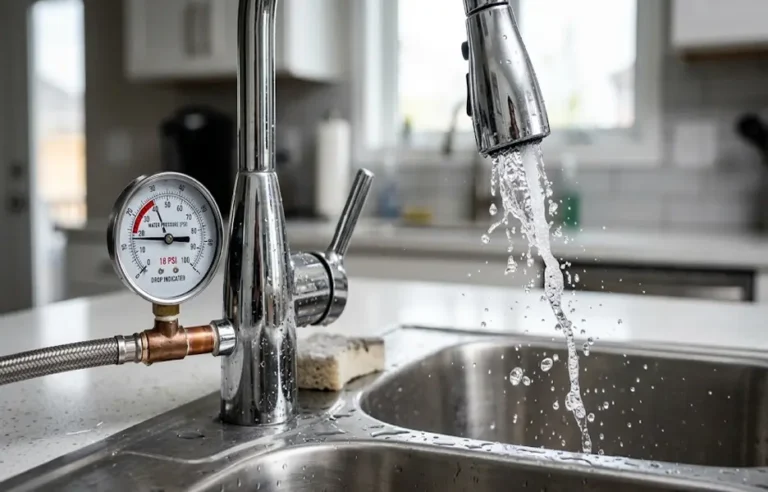
A common issue in larger homes across Chandler and Gilbert is a sudden, frustrating drop in indoor water pressure when multiple plumbing fixtures run at the same time. While many assume this is a city municipal line issue, it is frequently caused by a restrictive bypass valve on the water softener itself.
[Main City Supply Line] ──> [Restrictive 3/4" Valve] ──> Water Pressure Drops Inside
[Main City Supply Line] ──> [High-Flow 1" Valve]      ──> Stable Dynamic Flow to All Showers
Standard, budget-friendly softeners use an internal 3/4-inch bypass valve. When two showers, a washing machine, and a kitchen faucet are open simultaneously, a 3/4-inch orifice physically restricts the available dynamic volume.
At Aqua Plumbing Services, we install water softeners equipped with 1-inch high-flow control valves. This commercial-grade configuration maintains your home’s peak flow rate (measured in Gallons per Minute or GPM), ensuring full pressure in your master suite shower even during the busy morning rush.
Internal Link: Experiencing low pressure across your property even when no appliances are running? It could be a heat-stressed valve issue. Read our emergency diagnostic guide:Emergency Plumbing: Why Does Water Pressure Drop in the Arizona Summer?.
3. Demand-Initiated Regeneration (DIR) vs. Timed Softeners
For a large family, older “Timed” or “Chronometric” water softeners are highly inefficient. Timed units trigger a regeneration cycle at a pre-set hour and interval (e.g., every Tuesday and Friday at 2:00 AM), regardless of how much water you actually used.
- The Risk: If you host weekend guests or run extra laundry loads, a timed system may run out of soft water midway through the day, exposing your water heater and appliances to raw mineral scale. Conversely, during lower-usage periods, it will regenerate anyway, wasting valuable salt and water.
- The Solution: Modern systems utilize Demand-Initiated Regeneration (DIR). These smart grids feature digital volumetric flow meters that track your household’s actual water consumption in real-time. The microprocessor triggers a regeneration cycle only when the resin bed reaches true chemical saturation. In 2026, DIR architectures are the standard for all APS Plumbing configurations, saving families up to 40% in salt and regeneration wastewater.
4. Salt-Based Ion Exchange vs. Salt-Free Conditioners
We are frequently asked if a “Salt-Free Water Conditioner” or “Scale Inhibitor” is sufficient to handle Arizona’s intense groundwater profile.
| Feature Comparison | Salt-Based Ion Exchange (Softening) | Salt-Free TAC Systems (Conditioning) |
| Mineral Removal | Yes (Physically extracts Calcium & Magnesium) | No (Alters mineral crystallization structures) |
| Limescale Elimination | Complete Protection for all internal lines | Partial Protection (Mainly safeguards heating elements) |
| Soap & Detergent Savings | Up to 50% reduction in household soap use | 0% reduction (Hard minerals remain in the water) |
| The Arizona Verdict | Highly Recommended for high-volume large families | Best for small apartments or low-GPG regions |
For high-occupancy homes dealing with heavy dishwashing, daily bath runs, and continuous laundry loads, only a Salt-Based Ion Exchange System will physically strip hard minerals from the water stream. This configuration delivers the classic “slippery” feel, prevents cloudy spots on your glassware, and keeps fabrics from becoming stiff and faded over time.
Internal Link: Want to double the lifespan of your reverse osmosis or drinking water systems? Learn how to pair your softener with filtration upgrades:Double Your Water Filter Life in Scottsdale’s Extreme Hard Water.
Sizing and Selection Cheat Sheet for Maricopa County
Use this rapid reference matrix to determine the system framework required for your home’s occupancy profile:
| Household Size | Hardness Level (Local GPG) | Recommended Grain Capacity | Valve Port Configuration |
| 1 to 3 People | 15 GPG (Low Valley Base) | 32,000 Grains | 3/4-Inch Valve System |
| 4 to 5 People | 20 GPG (Valley Average) | 48,000 Grains | 1-Inch High-Flow Valve |
| 6 to 8 People | 25 GPG (High Mineral Grid) | 64,000 Grains | 1-Inch High-Flow Valve |
| 8+ / Multi-Gen | 25+ GPG (Extreme Silt/Well) | Twin-Alternating Tanks | 1-Inch Commercial Valve |
Schedule a Professional Installation with Aqua Plumbing Services
Installing a high-capacity 48,000 or 64,000-grain water softener requires precise local calibration. If the electronic control settings are miscalculated by even a few percentage points, the unit will either waste hundreds of dollars in salt or fail to protect your appliances from scale damage.
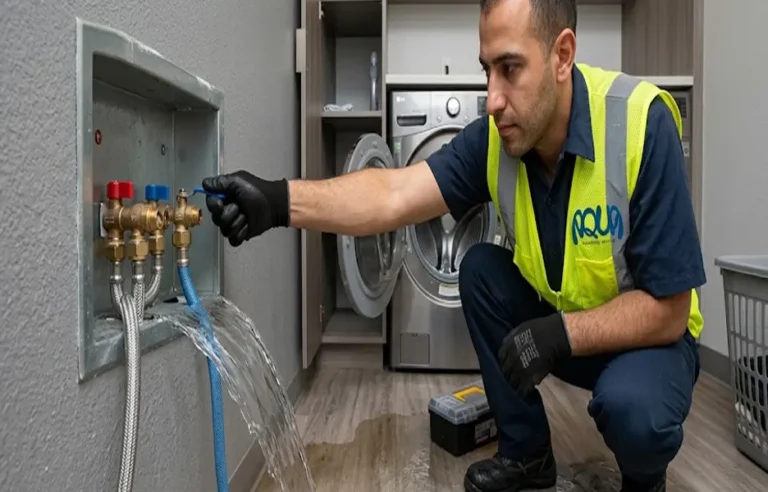
At Aqua Plumbing Services, we analyze your neighborhood’s exact GPG mineral profile before configuring your system. We handle the entire project from pulling city permits to calibrating the nightly DIR smart cycles.
Protect your family’s home and plumbing system today.
We serve communities across the entire Greater Phoenix Area. Contact our installation specialists at APS Plumbing today to schedule a comprehensive water quality audit and engineer a soft water solution tailored to your household’s demands.