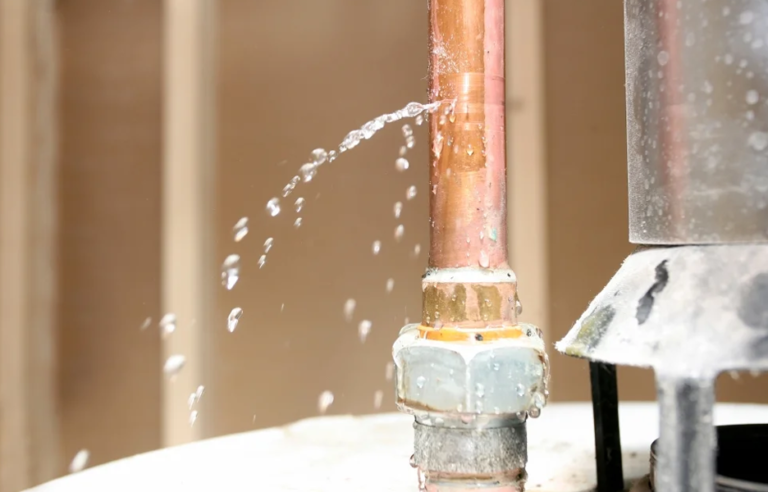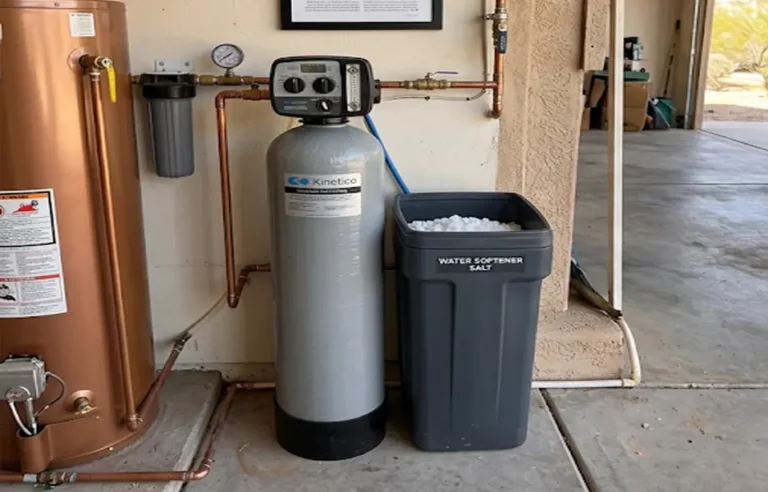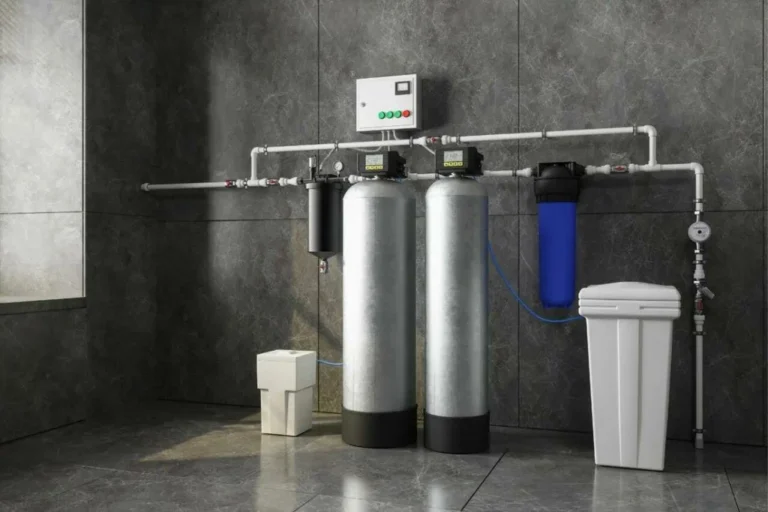
For property owners navigating the residential landscapes of the Greater Phoenix Area and Pinal County, maintaining a safe, efficient home infrastructure requires a deep understanding of local hydrogeology. While a home connected to city grids in Phoenix receives centrally treated municipal water, rural and suburban estates across Pinal County frequently rely on private residential wells.
[Phoenix City Water] ──> Surface/River Blends ──> Central Chlorination ──> Surface scale concerns
[Pinal Well Water]  ──> Deep Subterranean Aquifers ──> Raw Structural Influx ──> Heavy mineral/metal liabilities
Assuming that a standard retail carbon filter or a basic water softener can handle both water supplies is a costly operational mistake. Private well water in Pinal County possesses a completely different chemical and biological footprint than Phoenix city water, requiring highly specialized, multi-stage subterranean filtration matrices to safeguard your property and family.
1. Phoenix City Water: The Municipal Surface Dynamic
Municipal water delivered to homes inside the Phoenix city limits is a managed blend compiled from the Colorado River (via the Central Arizona Project) and the Salt and Verde River systems.
The Limescale Profile
Because Phoenix municipal water travels long distances over surface channels, it accumulates massive volumes of dissolved rock, consistently registering hardness levels between 15 to 25 Grains per Gallon (GPG). This extreme hardness causes heavy calcium scale build-up inside gas water heaters, clogs plumbing loops, and ruins high-end kitchen fixtures.
Central Chemical Treatment
To comply with EPA guidelines, municipal treatment plants blast city water with heavy chlorine or chloramines to destroy biological pathogens during distribution. Consequently, the primary filtration objective for a Phoenix city home is removing these harsh chemical sanitizers and softening the water to prevent limescale accumulation.
2. Pinal County Well Water: The Deep Aquifer Challenge
In contrast, private well water in Pinal County is drawn directly from deep, unmonitored subterranean aquifers. Because this water interacts with deep desert rock formations under intense pressure for decades, it introduces a completely different set of severe water quality liabilities:
[Deep Aquifer Influx] ──> Iron/Manganese Oxidation ──> Hydrogen Sulfide Odors ──> Structural Staining & Corrosive Scale
High Iron and Manganese Volatility
Unlike Phoenix surface water, Pinal County well water is frequently saturated with dissolved iron and manganese. When this water is pumped out of the ground and exposed to oxygen, these metals oxidize, turning into solid particles. This creates a dark orange, red, or pitch-black sludge that permanently stains luxury porcelain sinks, ruins laundry loads, and chokes internal plumbing valves.
Hydrogen Sulfide (Rotten Egg Odor)
Deep wells throughout Pinal County often carry high concentrations of hydrogen sulfide gas ($H_2S$). This gas creates a foul, pungent “rotten egg” smell every time a faucet is opened. Standard carbon block filters are quickly overwhelmed by these gas levels, requiring chemical oxidation or specialized air-injection filtration arrays to fully neutralize the odor.
Corrosive Total Dissolved Solids (TDS)
While Phoenix city water features predictable TDS parameters, Pinal County well water can register extreme TDS levels—often exceeding 1,000 to 2,500 parts per million (PPM). This dense cocktail of sulfates, chlorides, and nitrates makes raw well water taste intensely bitter and accelerates galvanic corrosion across metal pipe fittings and indoor appliances.
3. Core Filtration Matrix Comparison
Because the underlying water chemistry varies so drastically, your home defense infrastructure must adapt accordingly:
| Water Source Asset | Phoenix City Grid Supply | Pinal County Private Well Supply |
| Primary Challenge | Chlorine Odor & Heavy Calcium Scale | Metals (Iron/Manganese), $H_2S$ Gas, High TDS |
| Pre-Treatment Need | Basic Sediment Particle Removal | Heavy Duty Backwashing Oxidation Filtration |
| Core Conditioning | Standard Ion-Exchange Softener | Specialized Heavy-Metal Resin Softener |
| Chemical Targeting | Activated Carbon Media Blocks | Air-Injection Oxidizing Media (Katalox/Birm) |
Configuring a Certified Subterranean Filtration Grid
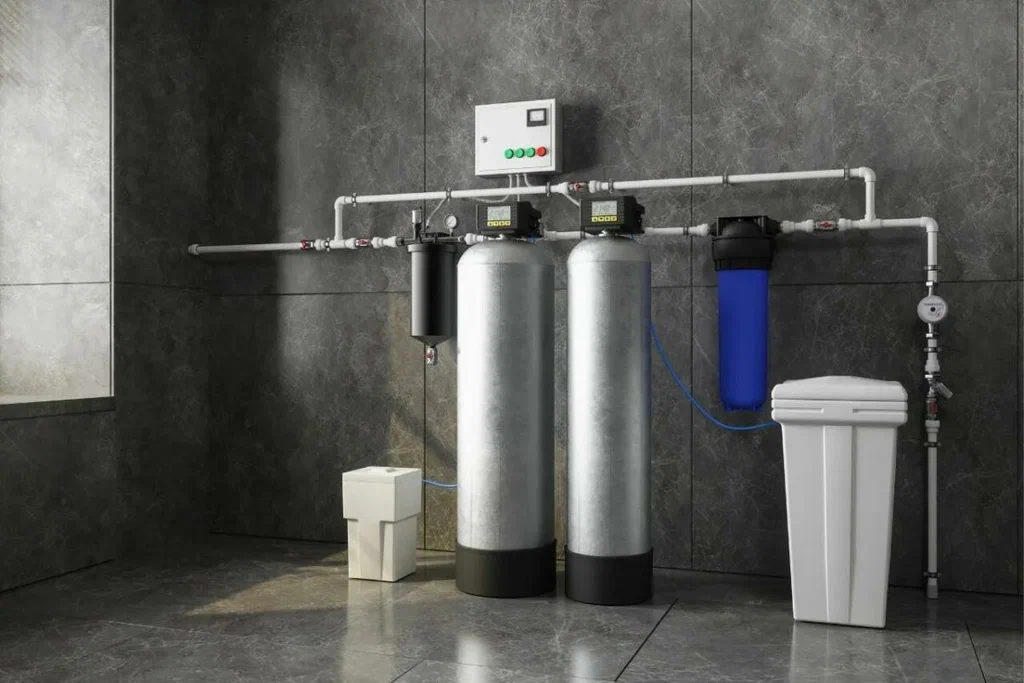
To protect a Pinal County estate from these aggressive water profiles, your treatment setup must go beyond simple surface softening. A well water system requires an initial oxidation stage—using air-injection filtration or chlorine injection—to force dissolved iron, manganese, and sulfur gases out of solution so they can be physically filtered out of the line.
[Raw Well Influx] ──> Air-Injection Oxidizer ──> Multi-Media Iron Filter ──> High-Capacity Softener ──> Pure Flow
Before purchasing a home in Pinal County or upgrading an existing rural utility setup, executing a comprehensive water analysis is a mandatory step. Homeowners planning a well system modernization can review a complete regulatory and structural overview by exploring the engineering parameters required for emergency plumbing low water pressure Arizona summer to ensure their indoor lines can maintain steady flow capacities under multi-stage filtration demands.
By partnering with certified regional trade experts like Aqua Plumbing Services, property owners can deploy custom-engineered well treatment systems calibrated to their exact aquifer footprint. Investing in professional, well-specific filtration preserves your home’s infrastructure, eliminates embarrassing odors, and delivers pristine, crystal-clear water to every tap.