When residential asset managers and property owners prepare for the brutal summer season across the Greater Phoenix Area, the operational checklist usually focuses on seasonal HVAC tune-ups, window insulation matrices, and pool chemistry balancing. These steps are vital for managing extreme surface heatwaves that consistently exceed 115°F.
However, a much more dangerous, invisible liability threatens desert homes every summer: subsurface plumbing infrastructure failure caused by extreme dryness.
Unlike regions where pipe emergencies are strictly associated with winter freezes, the desert environment introduces severe subterranean stresses during the peak of summer. Extended drought periods combined with intense heat waves trigger massive geological changes that place intense physical pressure on your home’s buried utility and water distribution networks.
To help protect your property’s concrete foundation and avoid expensive emergency structural overhauls, the engineering team at Aqua Plumbing Services has compiled this comprehensive technical guide to understanding and preventing climate-driven pipe leaks.
[Extreme Summer Heatwaves] ──> Extreme Soil Desiccation ──> Ground Shifting & Contraction ──> [Buried Pipe Breaches]
1. The Science of Desert Soil Contraction and Shifting
The primary catalyst for summer pipeline failure across Maricopa and Pinal counties is a geological phenomenon known as soil desiccation.
The Expansive Clay Liability
A vast portion of the soil infrastructure throughout the Valley consists of expansive clay mixes. These soil profiles act like a giant sponge: when winter rains arrive, the clay absorbs moisture and expands significantly. Conversely, during the intense dryness of late spring and summer, the soil loses all moisture, shrinks drastically, and develops deep surface cracks.
Differential Structural Movement
As the ground beneath your property dries out and contracts, it does not move uniformly. This irregular shifting drops the support out from underneath heavy underground utility lines.
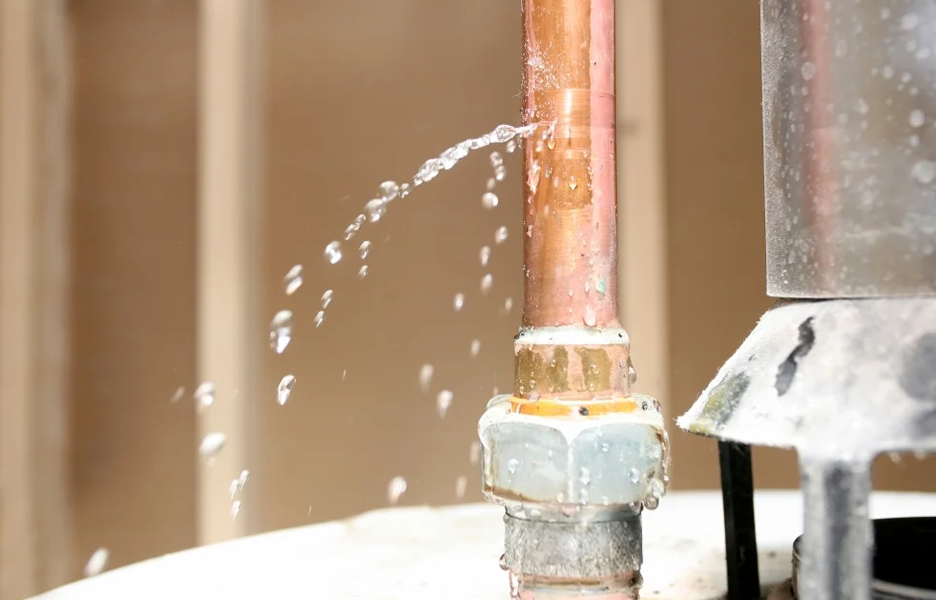
When a rigid copper line or old PVC drainage loop is forced to bend under the shifting weight of thousands of pounds of moving earth and concrete slabs, structural joints shear, leading to high-volume subfloor leaks.
2. Thermal Expansion and Hydraulic Volatility
Beyond the soil dynamics, the intense summer heat directly impacts the internal fluid physics of your home’s water loops.
[115°F+ Surface Heat] ──> Elevated Water Influx Temp ──> Severe Thermal Expansion ──> Extreme Line Pressure
Thermal Expansion Stresses
During the height of summer, raw municipal water entering your property is no longer cool; it is frequently pre-heated inside shallow public distribution lines. When this warm water enters your closed residential plumbing grid and is heated further by your water heater, it triggers intense thermal expansion.
Because water expands when heated, this thermal expansion drives internal line pressures far beyond safe residential operating limits (often spiking past 80 PSI), weakening solder joints and stressing flexible PEX lines until a weak point breaks.
The Landscaping Influx Shock
Desert properties rely heavily on automated high-volume irrigation matrices to keep sensitive vegetation alive during dry spells. When heavy-duty irrigation valves snap open and shut rapidly multiple times a night, they send intense hydraulic shockwaves—known as water hammers—backwards into your main household line, cracking older, heat-stressed pipe fittings out of nowhere.
3. Proactive Preventative Protocols
To insulate your property from these seasonal environmental liabilities, your maintenance strategy must focus on mitigating both external ground movement and internal pressure spikes.
Protocol A: Implement a Foundation Hydration Strategy
To stop local clay layers from shrinking and shifting under your concrete foundation, you must maintain a stable, baseline moisture profile around the perimeter of your home.
- Install a dedicated perimeter drip line situated 12 to 18 inches away from your home’s concrete foundation.
- Program the system to deliver a slow, low-volume trickle of water during the driest summer weeks.
- Target: You are not trying to flood the dirt; you are keeping the soil profile chemically stable to prevent deep shifts and foundation movement.
Protocol B: Install a High-Flow Pressure Reducing Valve (PRV)
Because municipal incoming pressures spike unpredictably during high-load summer hours, checking your PRV is a critical safety step. If your home’s PRV is older than five to seven years, the internal rubber diaphragm is likely worn down by harsh local minerals. Replacing it ensures your indoor pressure stays locked at a safe 50 to 60 PSI, protecting your lines from thermal expansion shocks.
Protocol C: Deploy Commercial-Grade Thermal Expansion Tanks
Every modern residential hot water loop should feature a dedicated thermal expansion tank installed directly on the cold water supply line above the water heater. This tank contains a pressurized air bladder that absorbs expanding water volume, safely neutralizing dangerous pressure spikes before they can stress your pipes.
4. Structural Vulnerability Matrix
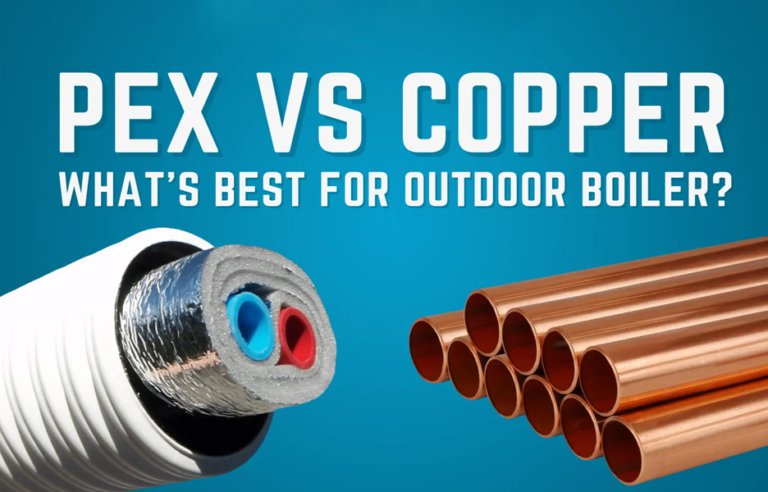
| Pipe Material Asset | Primary Summer Hazard | Failure Mechanism | Mitigation Target |
| Rigid Copper Lines | Soil shifts & chemical pitting | Joint shearing & pinhole leaks | Install PRV & stabilize perimeter soil |
| Schedule 40 PVC | Direct UV exposure & line shocks | Material embrittlement & splitting | Paint exposed sections & install water hammer arrestors |
| Flexible PEX Lines | Extreme thermal expansion | Fitting separation under pressure | Maintain stable internal system pressure bounds |
Securing Your Property Assets Before the Heat Wave Hits
Proactive infrastructure management is the only permanent way to protect your real estate investments from seasonal climate shifts. Waiting until a dark mold spot breaks through your drywall or your municipal utility bill doubles means you are already dealing with severe foundation damage and thousands of dollars in emergency restoration bills.
Before commencing an expensive building overhaul or replacing old lines, establishing an itemized budget is an essential step. Property managers and landlords looking to analyze material conversion variables can access a complete cost roadmap by exploring our multi-unit repiping costs Mesa strategic guide to balance long-term asset useful life against immediate utility improvements.
By partnering with certified regional engineering groups like Aqua Plumbing Services, property owners can deploy advanced electronic flow-monitoring grids and smart automated shut-off systems. Taking a technical, preventative approach to your building systems stops subsurface leaks before they start, keeping your utilities highly efficient through the most punishing summer conditions.