When the peak of the summer season hits the Greater Phoenix Area, local properties face intense operational challenges. While homeowners are well-prepared for skyrocketing cooling costs and intense UV exposure, a sudden infrastructure crisis frequently takes households by surprise: a dramatic, unexpected drop in indoor water pressure.
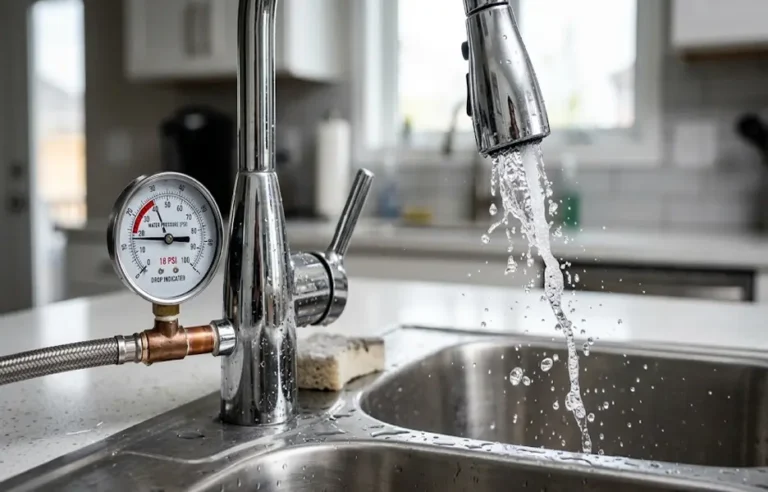
Few domestic issues are as frustrating as turning on your shower or kitchen faucet during a 115°F heatwave only to get a weak, sputtering trickle.
While many assume a sudden drop in flow indicates a localized utility grid failure, the reality is that the extreme desert summer creates a perfect storm of environmental and mechanical stresses that target your building’s plumbing systems.
Understanding the underlying technical causes of summer water pressure loss is the first step in protecting your property. Below is an engineering breakdown from the response team at Aqua Plumbing Services on why your water pressure plummets in the summer and how to restore your property’s hydraulic flow.
[115°F+ Summer Peak] ──> Extreme Community Peak Demands ──> Municipal Grid Drawdowns ──> Low Indoor Pressure
1. Peak Demand and Municipal Grid Drawdowns
The primary cause of widespread water pressure drops during the desert summer is the intense, collective strain placed on local municipal distribution networks.
The Peak Irrigation Influx
During the extreme summer heat, residential landscapes, commercial complexes, agricultural loops, and local golf courses require thousands of gallons of water daily just to keep vegetation alive. The vast majority of these automated irrigation systems are programmed to run during the late evening and early morning hours to minimize water loss from evaporation.
Simultaneous Water Consumption
When thousands of properties across Phoenix, Scottsdale, or Mesa draw high volumes of water from the city mains at the exact same time, it triggers a severe drop in the municipal grid’s baseline line pressure. If your property is located near the end of a municipal distribution loop or sits at a higher elevation, your indoor fixtures will experience a noticeable drop in flow capacity during these high-load hours.
2. Thermal Failure of the Water Pressure Regulator (PRV)
If your home’s low water pressure is constant and does not improve during low-load afternoon hours, the primary culprit is usually a mechanical failure of your Pressure Reducing Valve (PRV).
[Harsh Mineral Scaling] + [Intense Thermal Expansion] ──> Worn PRV Diaphragm ──> Restricted Flow Lockdown
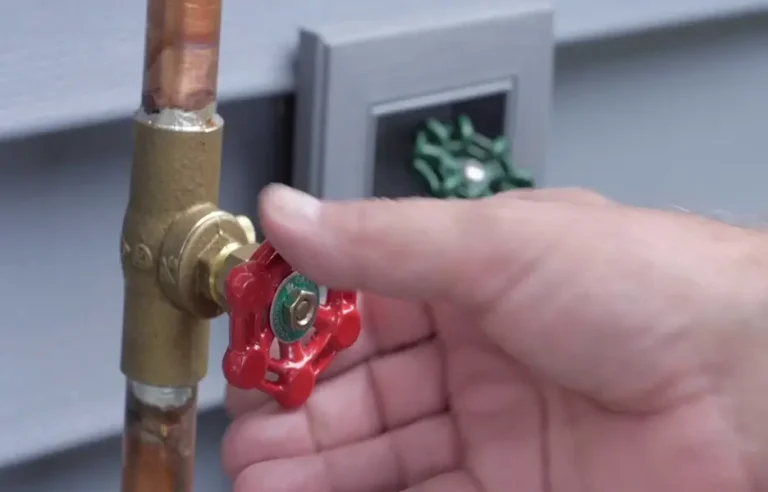
The PRV is a bell-shaped brass valve typically located near your home’s main water shut-off point. Its job is to take high-pressure water from the city lines (which can exceed 90–100 PSI) and safely step it down to a stable, manageable 50 to 60 PSI to protect your indoor appliances.
However, the desert summer subjects this valve to intense stress:
- Thermal Expansion Loading: As municipal supply temperatures rise, thermal expansion forces line pressures up, making your PRV work significantly harder to regulate incoming flow.
- Mineral Scale Lockup: Maricopa County water carries extreme mineral densities, averaging 15 to 25 Grains per Gallon (GPG) of hardness. When this hard water is heated by summer ground temperatures, calcium sediment rapidly bakes onto the PRV’s internal spring and rubber diaphragm.
When a mineral-scaled PRV faces intense summer pressure shifts, its internal mechanism often jams. As a built-in safety safeguard, the valve is engineered to fail in the closed or restricted position, instantly starving your indoor fixtures of water pressure.
3. Subterranean Shifting and Hidden Slab Leaks
The most hazardous cause of a sudden summer water pressure drop is a hidden break along your primary underground water line.
As detailed in our structural analysis on how to prevent pipe leaks caused by extreme dryness, intense summer heat waves pull all moisture out of local expansive clay soils. As the earth beneath your home shrinks and cracks, it shifts unevenly, stripping support away from underneath your concrete foundation.
[Soil Desiccation] ──> Ground Shifts Beneath Slab ──> Buried Copper Line Shears ──> Hidden Fluid Loss & Low Pressure
If a rigid copper line buried beneath your concrete slab is forced to bend under this shifting weight, a structural joint will eventually crack or snap completely. Because the water escapes deep underground beneath your foundation, you will not see an immediate puddle. Instead, the continuous fluid loss breaks your system’s hydraulic pressure loop, showing up indoors as a sudden, mysterious loss of water pressure at all your taps.
4. Emergency Diagnostic Matrix
If your indoor water pressure drops unexpectedly this summer, use this technical troubleshooting matrix to isolate the failure point:
| Pressure Symptom Profile | Potential Structural Failure Point | Immediate Operational Action Step |
| Fluctuating Low Pressure (Only drops during late nights or early mornings) | Municipal grid strain due to regional irrigation cycles | Adjust your automated irrigation run times to low-load midday or afternoon slots. |
| Constant Low Pressure (Weak flow at all fixtures, 24/7) | Jammed or failed Water Pressure Reducing Valve (PRV) | Check your PRV installation date; if it is older than 5 years, schedule a professional valve replacement. |
| Isolated Low Pressure (Only impacts one specific shower or kitchen sink) | Internal calcium scaling inside fixture aerators or cartridges | Unscrew the faucet aerator tip, soak it in white vinegar to dissolve limescale, and clean the jet screen. |
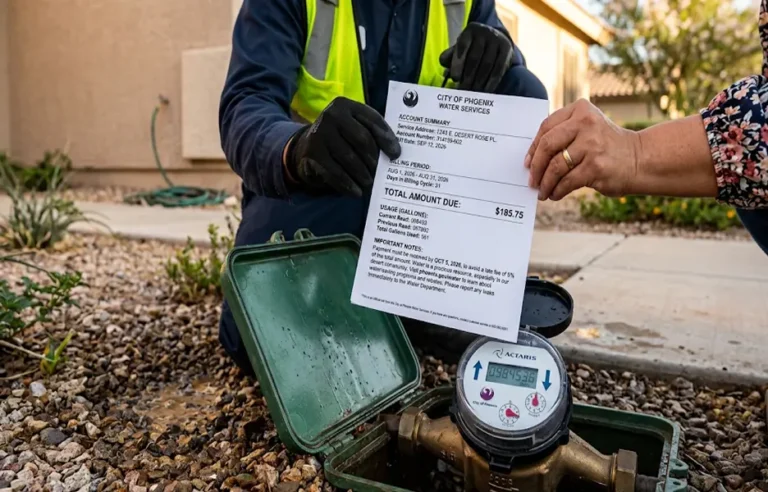
| Sudden Pressure Loss + Bill Spike (Low pressure accompanied by unexplained utility spikes) | Hidden subterranean line breach or subfloor slab leak | Turn off all indoor fixtures and check your water meter dial; if the dial keeps spinning, you have an emergency leak. |
Restoring Your Infrastructure’s Hydraulic Performance
Dealing with low water pressure is more than an inconvenience—it is a clear warning sign that your property’s hidden utility networks are fighting environmental stress. Ignoring a constant drop in flow can lead to complete valve failure, premature appliance breakdowns, or undetected foundation damage from a silent slab leak.
Before initiating a complete line replacement or purchasing expensive pressure-boosting pumps, building an accurate technical budget is an essential step. Property managers and asset owners looking to evaluate material options and labor costs can review an itemized financial framework by exploring our comprehensive multi-unit repiping costs Mesa strategic guide to balance long-term infrastructure improvements against immediate utility benefits.
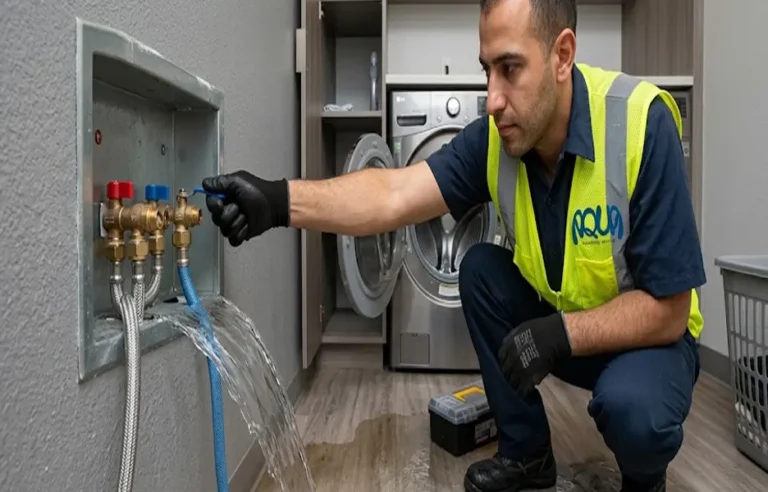
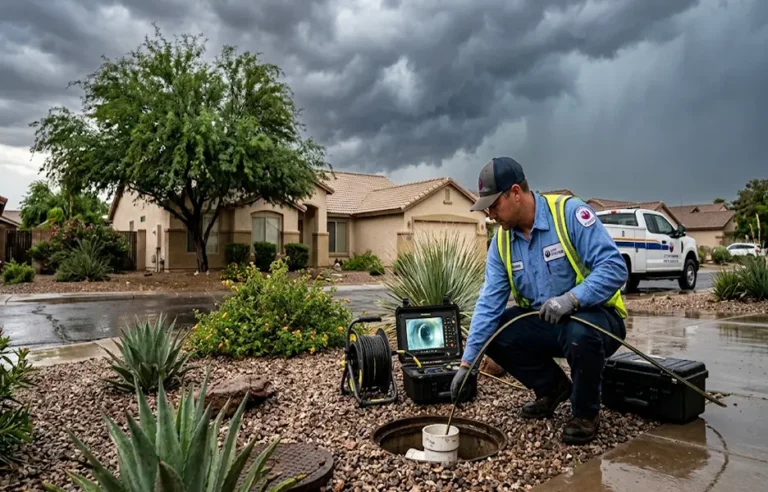
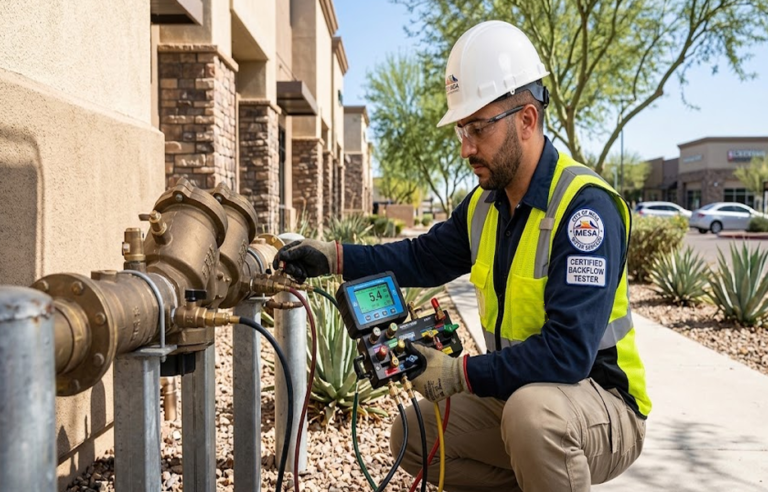
By partnering with the certified rapid-response engineering teams at Aqua Plumbing Services, property owners can deploy advanced acoustic leak detection equipment and high-flow PRV replacements tailored to handle the Valley’s unique climate demands. Investing in professional mechanical upgrades secures your plumbing framework, protects your appliances, and ensures your home delivers strong, reliable water pressure through the most grueling summer heatwaves.