When summer temperatures in Phoenix, Scottsdale, and Mesa consistently cross the 100°F mark—often peaking above 115°F—most homeowners focus entirely on their air conditioning units. However, there is another critical appliance quietly bearing the brunt of the desert heat: your water heater.
Whether your home runs on a traditional electric water heater or an eco-friendly solar water heating system, the extreme ambient temperature changes the physics of your plumbing. Incoming municipal water is already warm, meaning your system reaches scalding temperatures much faster, causing severe thermal expansion and pressure spikes. At APS Plumbing, we see a massive spike in water heater failures every summer. Here is your comprehensive guide to maintaining both systems under the brutal Arizona sun.
Part 1: Electric Water Heaters – Beating Thermal Burnout
Electric water heaters rely on internal heating elements submerged in the water tank. In the summer, they face a unique set of challenges.
1. The Threat of “Dry Firing” and Scale Insulation
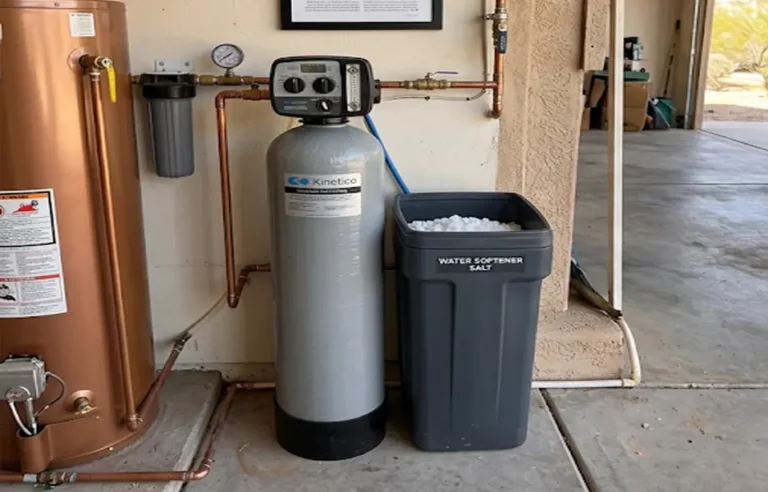
Arizona’s water is notorious for its heavy mineral content (often 15 to 25 grains per gallon).
- The Summer Catalyst: Chemical precipitation accelerates with heat. When your garage or utility closet bakes in 110°F temperatures, the water inside the tank is already pre-heated. As the electric elements kick on, calcium and magnesium drop out of the water rapidly, forming a thick “limescale jacket” around the elements.
- The Failure: This scale acts as a thermal insulator. The element has to work twice as hard to heat the water, causing the internal wiring to overheat and burn out prematurely.
- Maintenance Step: Flush your electric tank every summer to remove the accumulated sediment at the bottom before it hardens into a rock-like crust.
2. Inspecting the T&P Valve (Temperature and Pressure Relief)
Your water heater has a vital safety device called the T&P Valve, usually located near the top of the tank with a silver lever.
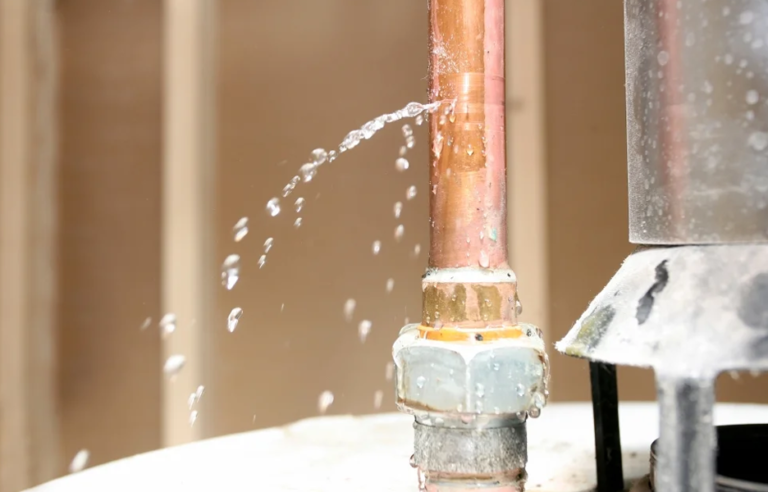
- The Desert Risk: Because incoming summer water is warm, thermal expansion inside the tank maximizes. If your thermal expansion tank (the small blue or gray tank installed above your water heater) is waterlogged or broken, the pressure inside your tank will dangerously exceed safe limits.
- The Test: Carefully lift the lever on the T&P valve to ensure water flows out freely and shuts off completely. If it drips constantly during hot days, your system is over-pressurized, and you need an immediate inspection.
Internal Link: Over-pressurization at the water heater can ripple back into your main lines, causing sudden ruptures. Learn more in ourEmergency Plumbing: Why Does Water Pressure Drop in the Arizona Summer?guide.
Part 2: Solar Water Heaters – Managing Overheating and Stagnation
Solar thermal water heaters are incredibly efficient in Arizona, but the summer sun can actually provide too much energy, leading to a dangerous state called system stagnation.
1. The Danger of Glycol Degradation
Most active solar water heaters in Maricopa County use a closed-loop system containing a heat-transfer fluid (usually non-toxic propylene glycol) that circulates from the roof panels down to the heat exchanger in your tank.
- The Overheating Point: When temperatures exceed 100°F, and your household is away on vacation or using less hot water, the fluid in the rooftop collectors can reach boiling temperatures (above 250°F).
- The Damage: This extreme heat causes the glycol fluid to turn acidic, transforming into a thick, tar-like sludge that clogs the circulation pumps and corrodes the copper lines inside your roof panels.
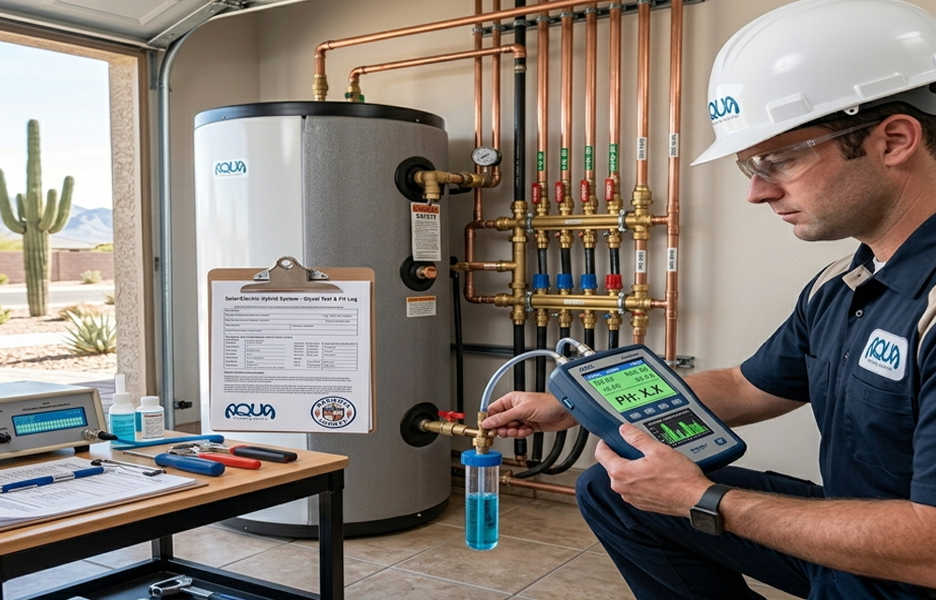
- Maintenance Step: Have APS Plumbing test the pH level and freeze/boil protection of your solar fluid annually. If the glycol has turned brown or smells burnt, it must be flushed and replaced.
2. Checking the Solar Circulation Pump and Controller
Solar systems rely on a small motorized pump to move fluid. If this pump fails during a July heatwave, the stagnant fluid on your roof will vaporize within hours, causing massive pressure buildup that can blow out your rooftop pressure relief valves.
- Pro-Tip: Check the digital solar controller on your tank. If it displays an “Error” code or indicates that the roof panel temperature is extraordinarily high while the tank water is cold, your pump is locked up or dead.
The Master 100°F+ Water Heater Checklist
| System Type | Maintenance Action | Frequency | Why It Matters |
| Electric Tank | Flush bottom sediment drain | Annually (Pre-Summer) | Prevents mineral scaling and element burnout |
| Electric Tank | Test T&P Safety Valve | Every 6 Months | Prevents tank rupture from thermal expansion |
| Solar Thermal | Test Glycol Fluid pH & Quality | Annually | Prevents fluid from turning into corrosive acid |
| Solar Thermal | Verify Circulation Pump Operation | Monthly in Summer | Avoids rooftop stagnation and blown relief valves |
When to Call APS Plumbing for Emergency Water Heater Service
Don’t wait until you have a major garage flood or a boiling blowout on your roof. Call a licensed professional if you notice:
- Rusty Water: Indicates the internal anode rod has failed, and the tank is corroding from the inside out.
- Continuous Dipping Noise: The sound of water constantly running from your rooftop solar relief line or interior T&P line.
- Popping/Knocking Noises: Sounds like popcorn inside your electric tank—a clear indicator of severe sediment accumulation choking the heating elements.
Protect Your Investment with APS Plumbing
Whether you are maintaining a standard residential electric system in Chandler or a high-tech solar array in Scottsdale, our certified technicians have the specialized tools to flush, calibrate, and protect your hot water infrastructure from Arizona’s extreme environment.
Water heater maintenance in Arizona summers (100°F+) requires distinct strategies for electric and solar systems. Electric systems suffer from accelerated mineral scale accumulation on heating elements and high pressure from thermal expansion, necessitating regular tank flushes and T&P valve testing. Solar water heaters face system stagnation and glycol fluid degradation from extreme roof heat, which can destroy circulation pumps and require annual pH fluid testing by a licensed professional like APS Plumbing.
FAQ
- Q: Why does my solar water heater dump water on the roof during hot summer days?
- A: This happens when the solar system reaches stagnation. If your family isn’t using enough hot water, the rooftop fluid overheats, causing the pressure relief valve to open automatically to prevent a catastrophic pipe explosion.
- Q: Should I turn down my electric water heater temperature in the summer in Phoenix?
- A: Yes. Since incoming city water is already warm, lowering your thermostat to 120°F reduces energy costs, decreases thermal expansion pressure, and slows down mineral scale accumulation inside the tank.