In the historic districts of Phoenix, Tempe, and Mesa, many properties built before 1989 still rely on plumbing systems that contain lead. As we move into 2026, the city’s Lead Service Line Inventory program and federal mandates have made the identification and removal of lead pipes a top priority for public health.
At APS Plumbing, we understand that the safety of your drinking water is non-negotiable. Whether you live in a charming bungalow in Encanto or a mid-century home in Arcadia, this guide will help you detect lead and navigate the replacement process under 2026 standards.
1. Why 2026 is a Turning Point for Lead Pipes in Arizona
Under the Lead and Copper Rule Improvements (LCRI), all community water systems are now required to accelerate the replacement of lead lines.
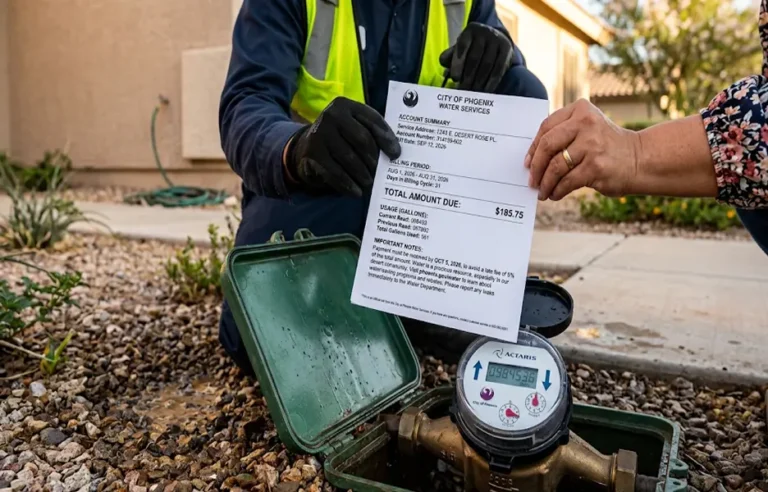
- The Phoenix Initiative: The City of Phoenix has been actively identifying private service lines made of lead and galvanized steel.
- Health Risks: Arizona’s water chemistry can cause lead to “leach” from pipes if the corrosion control balance shifts. For infants and children, lead exposure is linked to IQ decreases and behavior problems; for adults, it increases risks of kidney and heart disease.
2. How to Identify Lead Pipes (The 3-Step Test)
If your home was built before the 1986 federal ban (or the 1989 local enforcement in some AZ cities), you should perform these checks:
Step 1: The “Scratch” Test
Find the main water service line entering your home (usually near the water meter or in a basement/utility closet). Use a screwdriver or key to scratch the pipe.
- Lead: If it’s soft and turns shiny silver, it’s lead.
- Copper: If it turns the color of a penny, it’s copper.
- Galvanized Steel: If it stays dull gray and is hard to scratch, it’s steel.
Step 2: The Magnet Test
Hold a refrigerator magnet to the pipe.
- Lead: Magnets will not stick to lead.
- Galvanized Steel: Magnets will stick to steel.
Step 3: Check the Joints
Look at the joints where pipes connect. If there are “wiping” or rounded, bulbous joints, they are likely made of lead solder, which was common even in copper systems until the late 80s.
Internal Link: Think you have a leak in those old pipes? Learn about Insurance Claims for Pipe Leaks in Arizona and how to document damage.
3. The 2026 Replacement Strategy: Copper vs. PEX
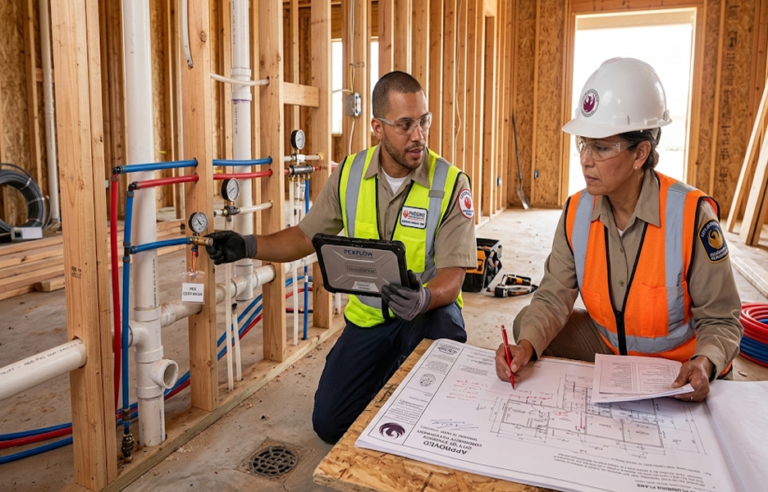
When it comes time for Repiping, you have two primary options that handle Arizona’s hard water and heat:
- PEX (Cross-linked Polyethylene): In 2026, PEX is the most popular choice for Phoenix retrofits. It is flexible, scale-resistant, and cost-effective.
- Copper (Type L or K): Long-lasting and antimicrobial, though more expensive and susceptible to pinhole leaks if the water chemistry isn’t perfectly balanced.
- Internal Link: For more on how Arizona water affects these materials, see our Commercial vs. Residential Plumbing Maintenance Standards.
4. Immediate Safety Steps (While You Wait for Replacement)
If you have confirmed lead in your system, take these steps today:
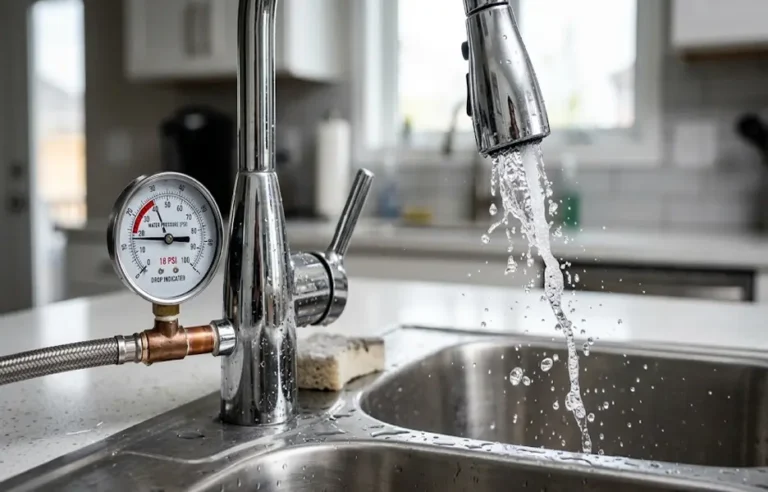
- Flush the Taps: Run the cold water for 1–2 minutes before drinking or cooking if the water has been sitting for several hours.
- Use Certified Filters: Only use filters specifically certified to remove lead (NSF/ANSI Standard 53).
- Clean Your Aerators: Lead particles can get trapped in the small screens on your faucets. Unscrew and clean them once a month.
5. Professional Mitigation and Inspections
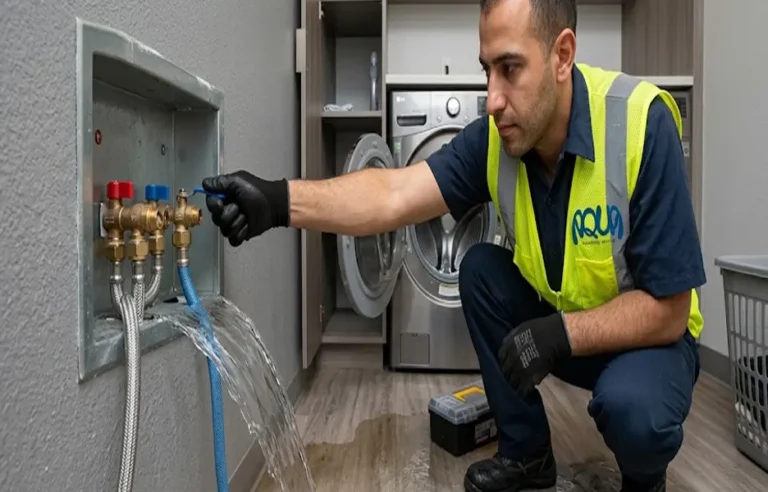
Identifying the presence of lead is the first step; removing it requires a licensed professional. At APS Plumbing, we provide:
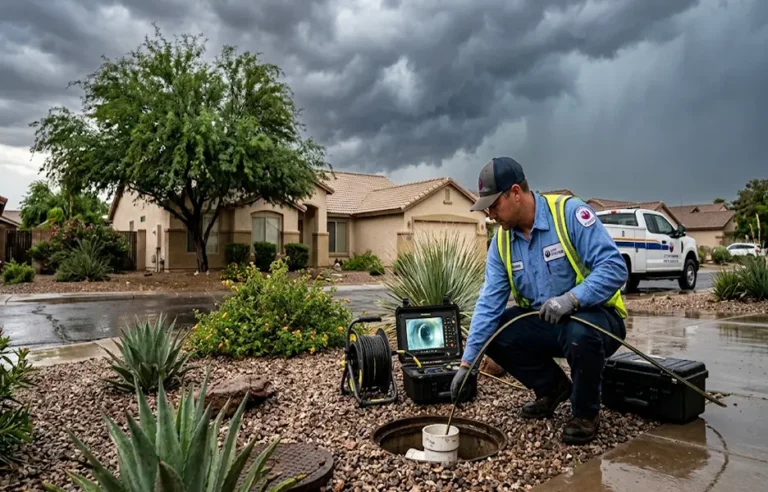
- Digital Sewer Scope & Pipe Audit: To verify pipe material without tearing into walls.
- Internal Link: See why this is essential for buyers: Sewer Scope Inspections in Scottsdale.
- Lead-Safe Replacement: We follow all 2026 Maricopa County codes to ensure your new system is safe and compliant.
Protect Your Family Today. The city’s efforts to remove lead are ongoing, but your home’s internal plumbing is your responsibility. Contact APS Plumbing for a comprehensive water safety audit and let us help you transition to a lead-free home.
Lead pipes in Phoenix homes (pre-1989) are a significant source of health risks. In 2026, homeowners can identify lead using the scratch and magnet test. The most reliable solution for Arizona’s environment is a full Repiping with PEX, which resists mineral scale better than older galvanized or lead systems. The City of Phoenix is actively monitoring these lines as part of the Lead Service Line Inventory.
FAQ
- Q: Does Phoenix water contain lead?
- A: Phoenix water sources are generally lead-free. Lead enters the water through the corrosion of household pipes, solder, or older service lines.
- Q: Is there a city program to replace my lead pipes?
- A: Yes, the City of Phoenix has a service line replacement program for publicly owned lines. However, pipes within the home’s boundary are typically the homeowner’s responsibility.