
Quick answer: Bathroom renovation plumbing usually follows five steps: plan the layout, rough-in (new supply lines, drains and vents), a city inspection before walls close, finish plumbing (fixtures, valves and trim), and final testing. In Phoenix-area slab homes, moving a toilet, shower drain or tub costs the most because the concrete floor must be cut. Keeping fixtures in the same place, upgrading old shut-offs and supply lines, and choosing finishes that hide hard-water spots keeps cost down.
Plumbing is the part of a bathroom remodel you stop seeing once the tile goes up, which is exactly why it needs to be done right the first time. Here is what Phoenix, Scottsdale and Mesa homeowners should know before demolition starts.
The plumbing steps in a bathroom remodel
- Plan the layout. Decide what stays and what moves: toilet, vanity, shower, tub. Confirm fixture sizes and valve types before rough-in.
- Demolition and inspection of existing pipes. Old galvanized or corroded copper is best replaced while walls are open.
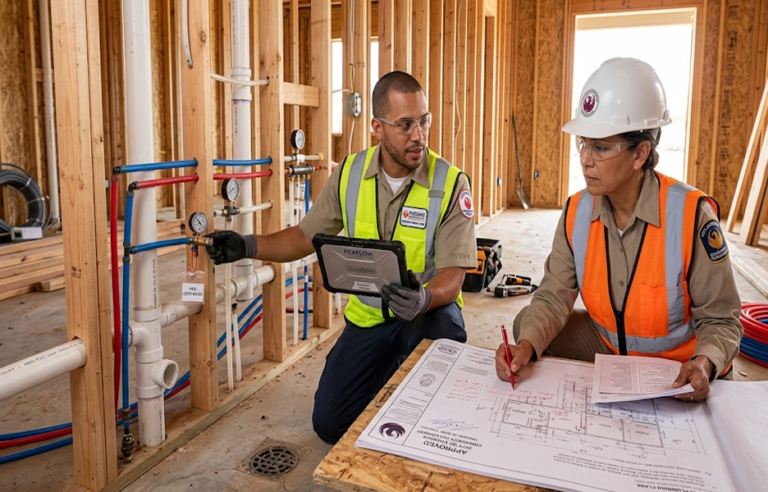
- Rough-in. Install new supply lines, drains, vents and the shower valve body at the correct heights.
- Inspection. Work that needs a permit is inspected and pressure-tested before walls and floors are closed.
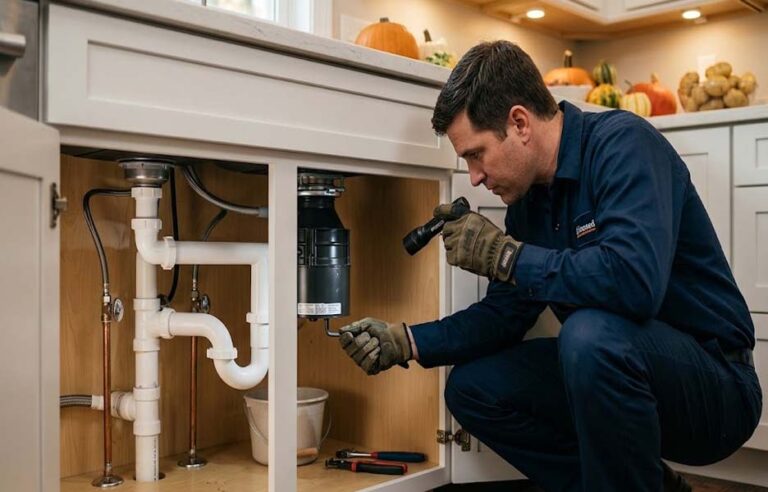
- Finish plumbing. Set the toilet, vanity and faucets, install trim and showerheads, and test everything for leaks.
What drives the cost
| Factor | Why it matters |
|---|---|
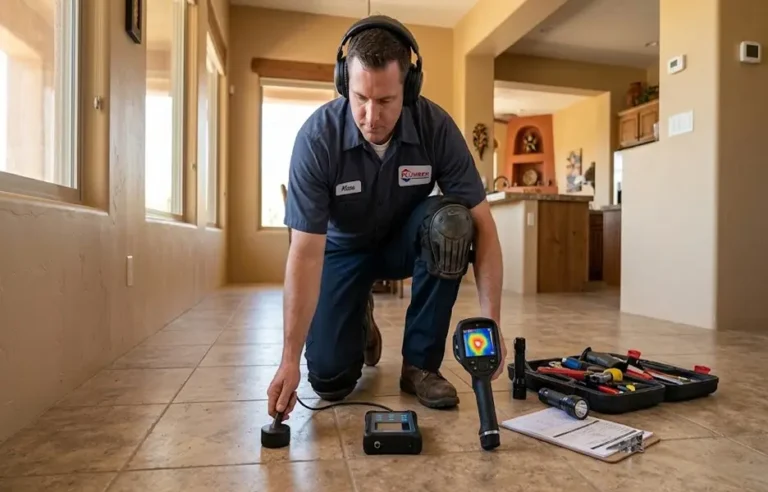
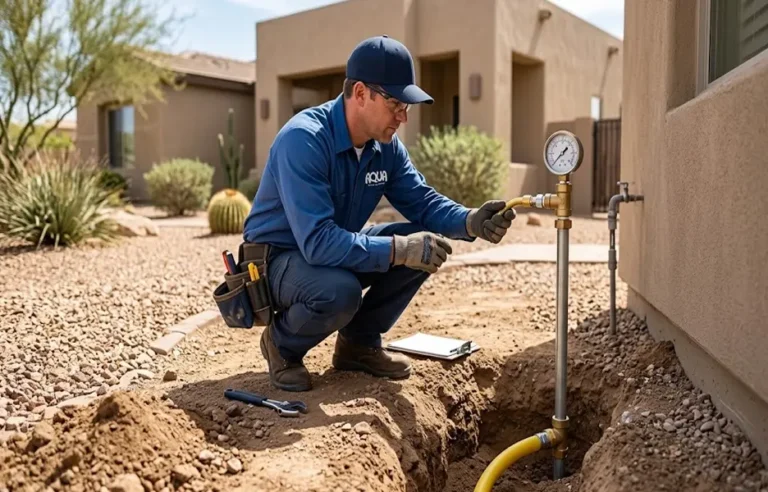
| Moving drains | On a slab, relocating a toilet or shower drain means cutting and patching concrete |
| Tub-to-shower conversion | New drain size, valve and waterproofing; often a curbless option |
| Old pipe replacement | Replacing galvanized or failing copper adds labor but prevents future leaks |
| Fixture choices | Thermostatic valves, body sprays and multiple heads add rough-in work |
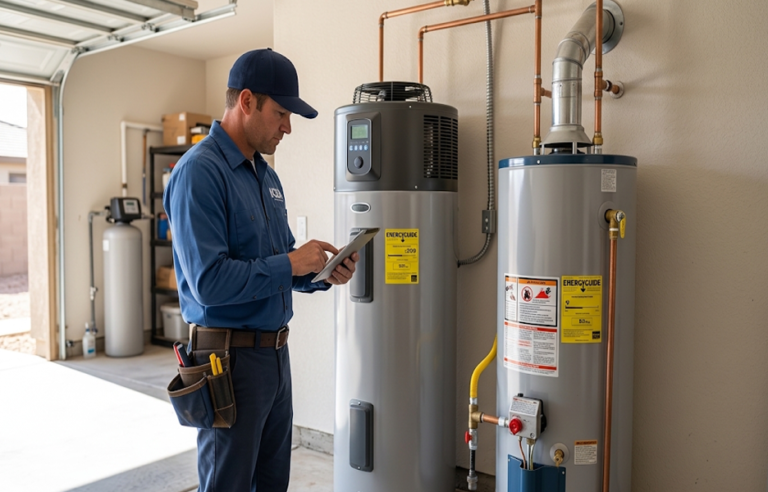
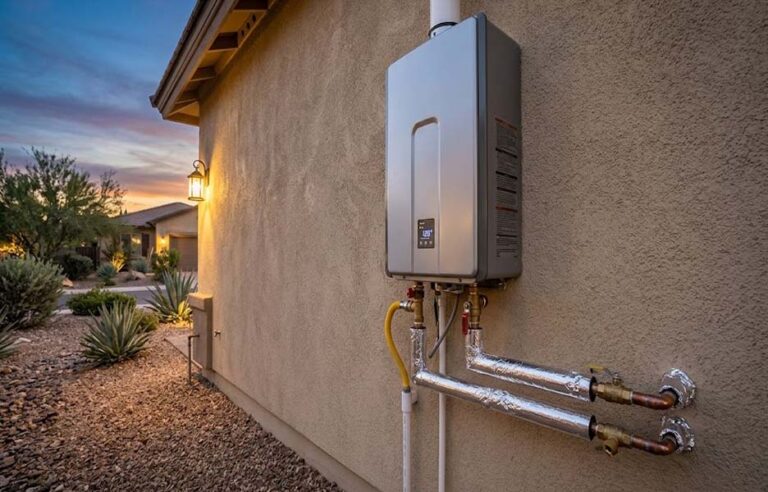
| Water heater capacity | Large soaking tubs or multi-head showers may need a bigger or tankless heater |
Permits
Moving fixtures, changing drains or vents, or replacing water lines generally requires a plumbing permit. See Scottsdale permit rules and our Maricopa County permit guide.
Arizona-specific tips
- Hard water: choose finishes and glass that hide spots, and consider a water softener to protect new valves and fixtures.
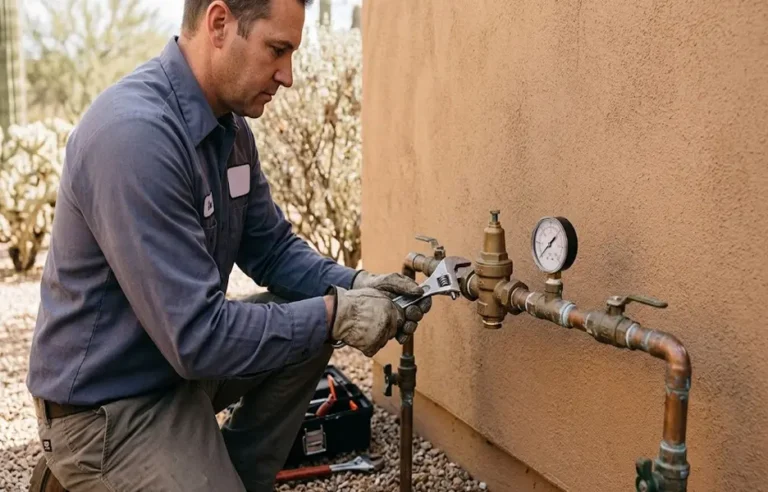
- Pressure: check that house pressure is at or below 80 PSI so new valves and supply lines last; see PRV problems.
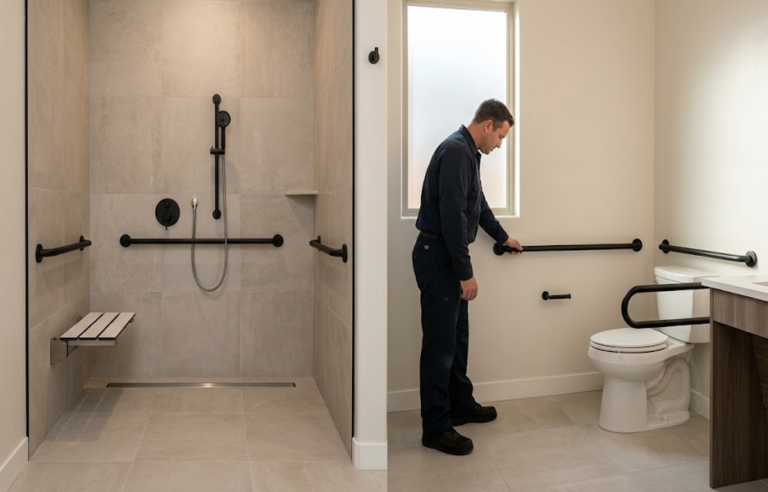
- Accessibility: planning a curbless shower or grab bars now is easier than retrofitting later; see ADA bathroom remodeling.
- Replace shut-off valves and supply lines at every fixture while you are at it.
APS Plumbing handles the plumbing for bathroom and kitchen renovations, including rough-in, inspections and fixture installation, across Phoenix and Scottsdale.
Frequently Asked Questions
Do I need a permit for bathroom remodel plumbing in Phoenix?
Usually yes if you move fixtures, change drains or vents, or replace water lines. Swapping fixtures in the same location may only need a minimum permit or none, depending on the city.
Why is moving a toilet expensive in Arizona homes?
Most Valley homes are built on concrete slabs, so moving a toilet or shower drain means cutting, trenching and patching the slab.
How long does bathroom remodel plumbing take?
Rough-in is often a few days, plus time for inspection. Finish plumbing is usually a day once tile and cabinets are in.
Should I replace old pipes during a bathroom remodel?
Yes, if they are galvanized or corroded copper. It is far cheaper while walls are open than after the new tile is installed.
Need a plumber in Scottsdale or Phoenix?
APS Plumbing (Aqua Plumbing Services LLC) answers 24/7 across Scottsdale, Phoenix, Paradise Valley, Tempe, Mesa, Chandler, Gilbert and Glendale. 10% off for military personnel and 12 months no-interest financing available.