If you feel like you’re replacing your water heater more often than friends in cooler states, you’re not imagining it. The extreme Arizona climate is a primary culprit behind premature water heater failure. While a typical unit might last 10-12 years nationally, many Arizona water heaters begin failing in as little as 6-8 years.
Understanding the unique challenges our environment creates is the first step to protecting your investment and ensuring you have reliable hot water. This guide breaks down the top reasons for early failure and provides actionable solutions to extend your water heater’s life.
The Double Threat: Extreme Heat and Hard Water
Arizona presents a one-two punch that relentlessly attacks water heaters:
- The Scorching Ambient Heat: Many water heaters are installed in garages or attics where summer temperatures can regularly exceed 110°F (43°C). This intense ambient heat forces the unit to work much harder to maintain its set temperature, putting constant stress on its components.
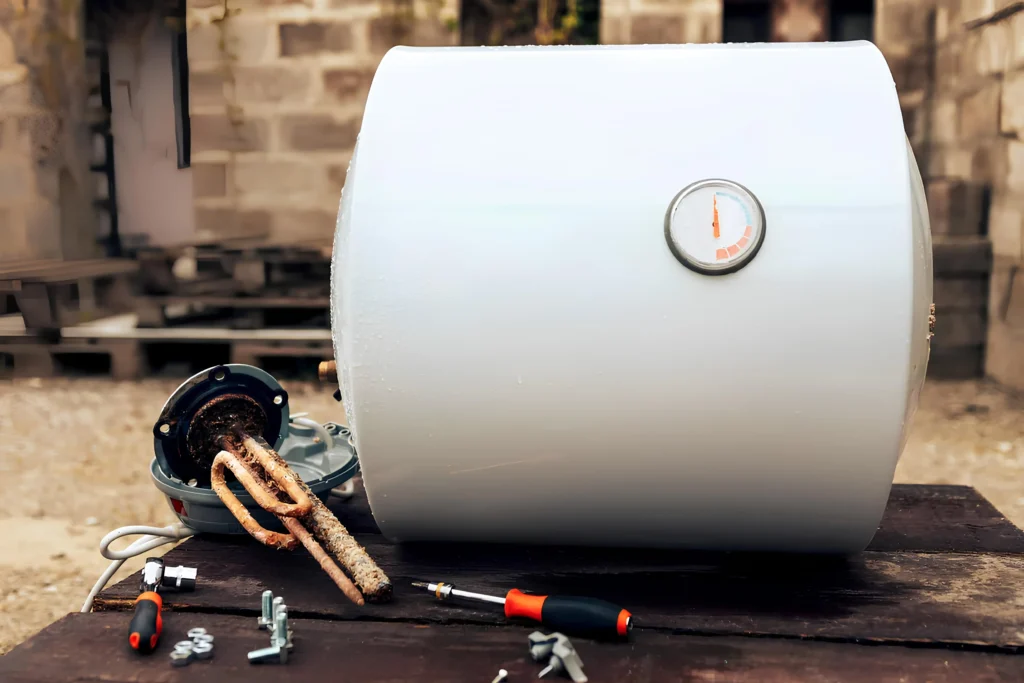
- The Legacy of Hard Water: Our mineral-rich water is a silent killer. As water is heated, calcium and magnesium precipitate out, forming a rock-like scale that coats the heating elements and tank interior.
Top 5 Reasons for Premature Water Heater Failure in Arizona
1. Sediment Buildup and Accelerated Corrosion
Hard water minerals don’t just coat the tank; they settle at the bottom as sediment. This sediment creates a barrier between the water and the burner or heating element, causing the unit to overheat and the tank lining to degrade faster. This leads to corrosion, leaks, and a complete loss of efficiency.
2. Overworked Anode Rod
The anode rod, or “sacrificial rod,” is your water heater’s first line of defense against corrosion. It attracts corrosive elements to protect the steel tank. Arizona’s hard water causes this rod to deplete at a dramatically accelerated rate. Once it’s gone, the tank itself begins to rust from the inside out.
3. Excessive Pressure and Stress
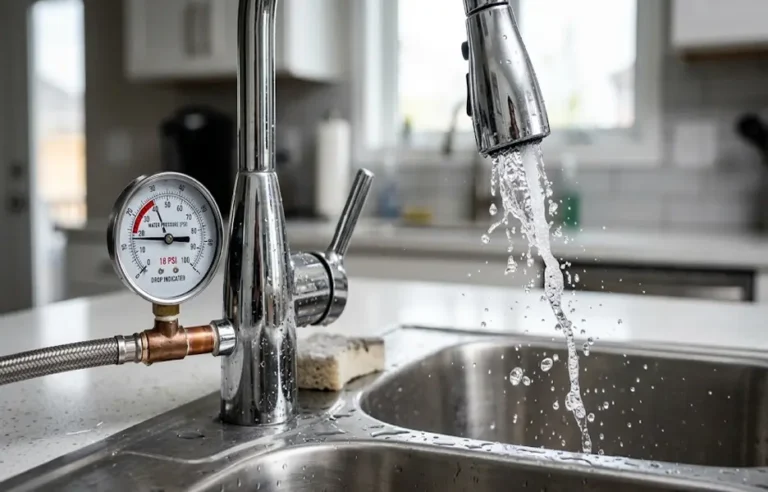
The extreme heat causes thermal expansion—water expands as it gets hotter. In a closed plumbing system, this creates immense pressure. Without a properly functioning thermal expansion tank, this pressure stresses the water heater’s interior welds and seams, leading to leaks and failures.
4. Faulty Pressure Relief Valve (TPR Valve)
The Temperature-Pressure Relief (TPR) valve is a critical safety component. Sediment from hard water can cause it to clog or seal shut. If it fails, it cannot release excess pressure, creating a dangerous situation and potentially leading to a tank rupture.
5. Damaged Heating Elements
In electric water heaters, sediment completely blankets the heating elements. This causes them to overheat and burn out far more quickly than they would with soft, sediment-free water.
How to Protect Your Water Heater and Extend Its Lifespan
You don’t have to accept a short lifespan as a given. Proactive maintenance is the key.
- Annual Professional Flushing: The single most important task. A professional water heater repair technician can powerfully flush the tank to remove sediment and test critical components like the anode rod and TPR valve.
- Replace the Anode Rod Early: Have your plumber inspect and likely replace the anode rod every 3-5 years. It’s a low-cost investment that can double the life of your tank.
- Install a Water Softener: A whole-house water softener is the ultimate solution. By removing calcium and magnesium, it prevents scale buildup entirely, protecting your water heater and all other appliances.
- Add a Thermal Expansion Tank: This small, inexpensive tank absorbs the extra pressure caused by thermal expansion, protecting your entire plumbing system.
- Consider a Tankless Water Heater: Tankless water heaters are less susceptible to scale buildup if maintained and don’t hold water, eliminating the large, standing target for corrosion. They are an excellent long-term solution for Arizona homes.
When to Call a Professional: Warning Signs
Don’t wait for a flood. Call for water heater repair if you notice:
- Rumbling or Popping Noises: (Sediment burning at the bottom of the tank)
- Discolored or Rusty Hot Water:
- Water Leaking from the Tank:
- Inconsistent Water Temperature:
- A Significant Increase in Energy Bills:
Is It Time for a Replacement? Consider Your Options
If your unit is failing, consider a replacement that’s built for Arizona’s challenges. Discuss these options with your plumber:
- High-Efficiency Tank Model: With a better anode rod and design.
- Tankless Water Heater: For endless hot water and superior energy efficiency.
- Heat Pump Water Heater: Extremely efficient, as it uses hot garage air to heat the water.
🔧 Call to Action: Don’t Let the Heat Kill Your Water Heater!
☎️ Schedule a Professional Water Heater Maintenance Service Today!
✅ Extend Your Unit’s Life | Improve Efficiency | Prevent Costly Emergencies
📌 Explore Our Related Services:
Water Heater Installation
Tankless Water Heater Services
Water Softener Installation