Quick answer: A failing sewer line shows up as repeated backups, gurgling drains, sewage odors, soggy yard spots or a camera inspection showing cracks, roots, sags or collapse. Repair options are spot repair, trenchless lining (a new pipe cured inside the old one), trenchless pipe bursting (pulling new pipe through while breaking the old), or traditional open-trench replacement. Trenchless methods disturb less landscaping and hardscape; open trenching is needed for badly sagged or collapsed lines and some layouts.
Many homes in older Phoenix, Glendale, Tempe and Mesa neighborhoods still have original clay or cast iron sewer lines. Decades of roots, shifting soil and corrosion eventually take their toll. Here is how to know when replacement is needed and which method fits your property.
Signs your sewer line is failing
- Backups or slow drains in several fixtures, especially the lowest ones
- Gurgling toilets and drains
- Sewage odor inside or in the yard
- Unusually green or soggy patches along the sewer route
- Repeated clogs even after cleaning
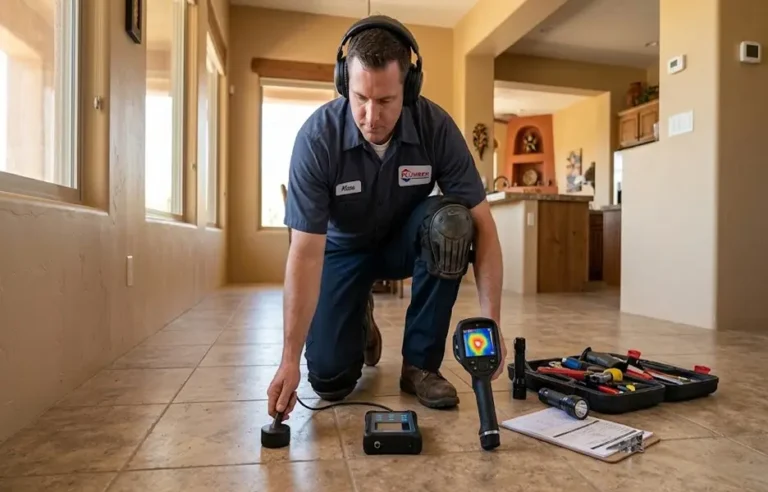
The only way to confirm is a sewer camera inspection.
Repair and replacement options
| Method | How it works | Best for | Disruption |
|---|---|---|---|
| Spot repair | Dig at one location and replace a short section | A single break or root entry point | Small excavation |
| Trenchless lining (CIPP) | A resin-soaked liner is inserted and cured inside the old pipe | Cracks, root entry, minor corrosion with pipe still in shape | Minimal; uses access points |
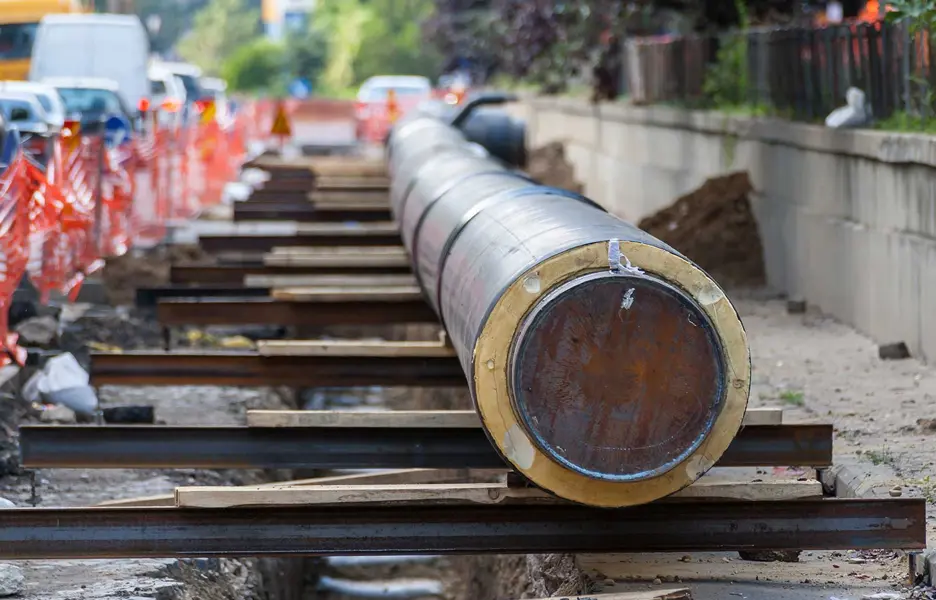
| Pipe bursting | New pipe is pulled through, breaking the old one outward | Badly deteriorated pipe on a reasonable grade | Two access pits |
| Open-trench replacement | The line is dug up and replaced | Severe sags, collapse, grade problems, shallow or simple runs | Most digging; landscape and hardscape restoration |
How to choose
- Condition of the pipe: lining needs a pipe that still holds its shape; collapsed or badly sagged lines usually need replacement.
- What is above it: driveways, mature trees, pools and pavers favor trenchless methods.
- Depth and layout: some runs are simpler to dig.
- Permits: sewer line repair and replacement require a permit in Valley cities; see permit rules.
Prevent future problems
- Keep grease and wipes out of drains.
- Avoid planting thirsty trees over the sewer line.
- Schedule hydro jetting if roots or grease return.
APS Plumbing provides sewer inspection, drain cleaning and drainage repair and redesign across Phoenix, Glendale and the Valley.
Frequently Asked Questions
How do I know if my sewer line needs replacing?
Repeated backups, gurgling drains, sewage odors and soggy yard spots are warning signs. A camera inspection confirms the condition.
What is trenchless sewer repair?
Methods such as pipe lining or pipe bursting that repair or replace the line through small access points instead of digging a full trench.
Is trenchless always better?
Not always. It works well for pipes that still hold their shape, but collapsed or badly sagged lines often need open-trench replacement.
Do I need a permit to replace a sewer line in Phoenix?
Yes. Sewer line repair and replacement require a permit and inspection in Valley cities.
Need a plumber in Scottsdale or Phoenix?
APS Plumbing (Aqua Plumbing Services LLC) answers 24/7 across Scottsdale, Phoenix, Paradise Valley, Tempe, Mesa, Chandler, Gilbert and Glendale. 10% off for military personnel and 12 months no-interest financing available.