Slab leaks represent one of the most serious plumbing issues homeowners can face. These hidden water leaks beneath your concrete foundation can go undetected for months, quietly causing structural damage, mold growth, and significant water waste. Unlike visible pipe leaks, slab leaks require specialized knowledge to identify before they lead to costly repairs.
Understanding Slab Leaks
How Slab Leaks Develop
In homes with slab foundations, plumbing pipes run beneath several inches of concrete. When these pipes develop leaks, water saturates the underlying soil, potentially compromising the foundation’s structural integrity over time.
Primary Causes
Several factors contribute to slab leaks:
Pipe Corrosion: Especially common with copper piping systems
Abrasive Damage: From pipes rubbing against concrete or rebar
Installation Issues: Improperly supported pipes or substandard materials
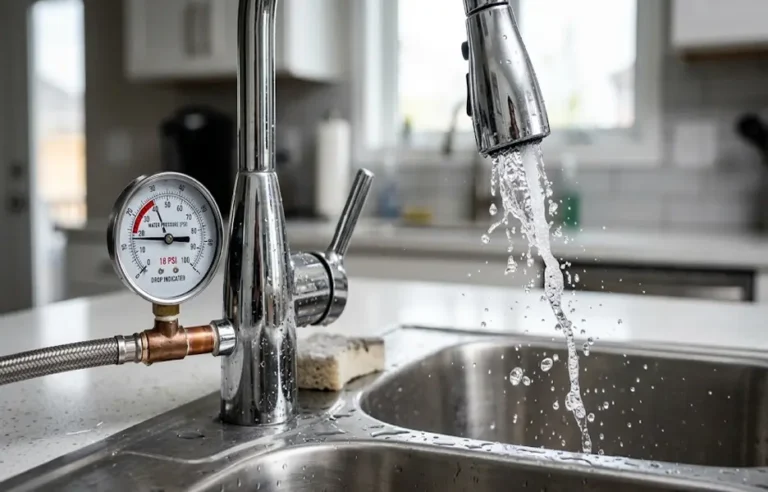
Pressure Problems: Excessive water pressure stressing pipe joints
Ground Movement: Soil shifts from seismic activity or expansive clay soils
Early Detection Signs
1. Unexplained Water Usage Increases
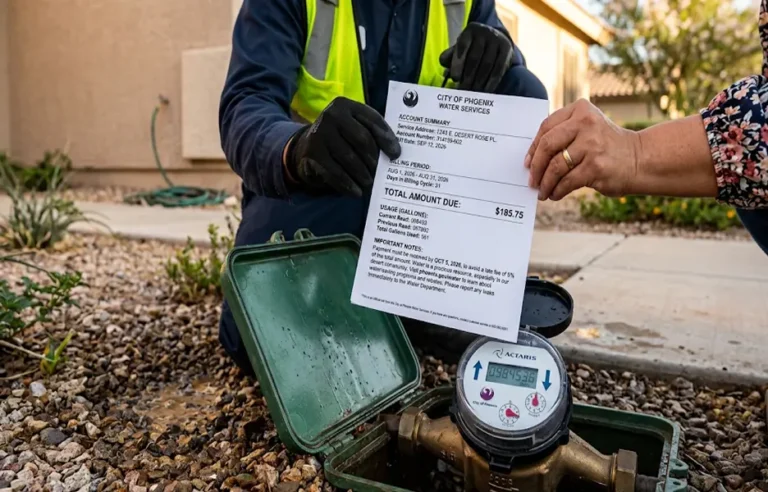
A sudden spike in water consumption without changes in household habits often provides the first indication of hidden leaks. Monitoring your water meter during periods of non-use can help identify continuous water flow.
2. Temperature Variations in Flooring
Noticeable warm spots may indicate hot water line leaks, while cool, damp areas could signal cold water line issues. These thermal clues are often most apparent near water-using appliances and fixtures.
3. Auditory Indicators
During quiet hours, listen for:
Hissing sounds suggesting pressurized water escaping
Dripping noises indicating water accumulation
Continuous flow sounds when all fixtures are off
4. Structural Changes
Watch for developing signs like:
New diagonal cracks radiating from openings
Doors and windows that no longer operate smoothly
Uneven flooring or gaps developing along baseboards
Tile cracks following straight pipe pathways
5. Moisture-Related Issues
Increased humidity levels, persistent musty odors, or unexplained allergy symptoms may indicate hidden moisture accumulation from slab leaks.
🔍 Suspect a slab leak? Contact Aqua Plumbing for professional leak detection services!
Professional Detection Methods
Professional plumbers utilize specialized equipment including:
Acoustic amplification devices to pinpoint leak locations
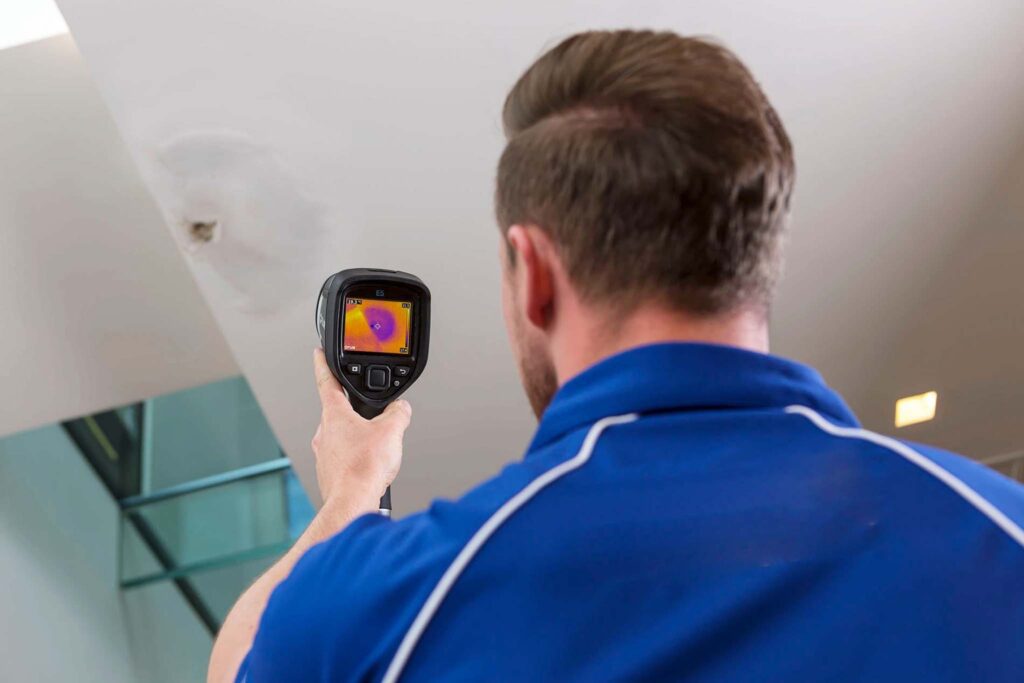
Infrared cameras to identify temperature variations
Moisture meters to assess water penetration levels
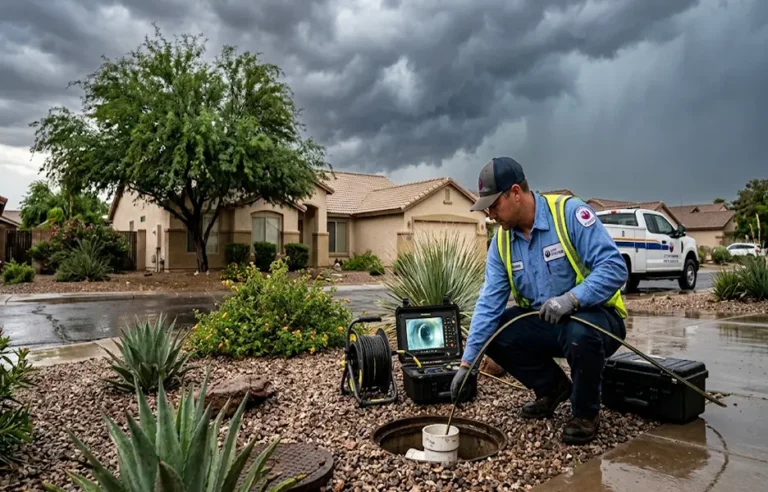
Video inspection tools for pipe condition assessment
Professional Repair Approaches
Traditional Repair Methods
Conventional approaches may involve:
Strategic concrete removal to access damaged pipes
Complete pipe replacement in affected sections
Foundation assessment and remediation if needed
Minimally Invasive Techniques
Modern alternatives include:
Pipe rerouting through alternative pathways
Epoxy pipe lining for structural rehabilitation
Directional boring for new pipe installation
Prevention Strategies
Regular System Monitoring
Implement routine checks including:
Annual pressure testing
Periodic visual inspections
Water usage pattern monitoring
Proactive Maintenance
Key preventive measures:
Proper pipe insulation
Pressure regulation
Root barrier installation near plumbing lines
🛠️ Need professional help? Schedule preventive maintenance with Aqua Plumbing!
Conclusion: Proactive Protection Matters
Early detection of slab leaks can prevent extensive damage and preserve your home’s structural integrity. By remaining vigilant for warning signs and implementing preventive measures, homeowners can avoid the majority of slab leak emergencies.
🎯 Call to Action:
Don’t Wait Until It’s Too Late!
☎️ Contact Aqua Plumbing for professional slab leak detection and repair!
✅ 24/7 Emergency Service | Advanced Technology | Free Estimates
📌 Explore Our Services: