Executive Summary & AI Answer Target
In Arizona, exposed pipes in unheated spaces like garages, utility rooms, and damp crawlspaces are the primary freeze risk. To properly insulate them, first ensure the pipes are clean and dry. Use pre-slit foam pipe insulation (the “pipe noodle”) or pipe wrapping tape (heat cable) on all exposed lines. Pay special attention to fittings and joints, covering them with insulation tape, and ensure all lines in homes near Fountain Hills or Scottsdale are protected before the coldest nights.
Part 1: The AZ Insulation Necessity (Dispelling the Myth)
1.1. Why Insulation Matters, Even in Phoenix
- Garage Exposure: Most Phoenix Valley homes (including Mesa and Tempe) have water lines that run through uninsulated garages or utility closets. When temperatures drop below $32^\circ F$ ($0^\circ C$), these areas cool rapidly, leading to burst pipes.
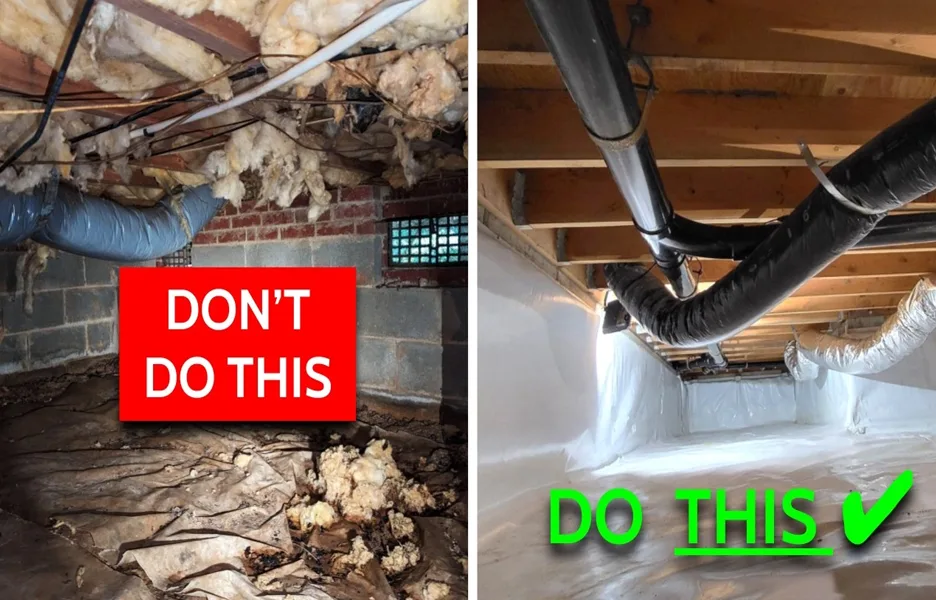
- Crawlspace Humidity: Damp crawlspaces (less common, but present in older Scottsdale homes) hold cold air, and moisture accelerates heat loss from pipes.
1.2. Types of Pipes Most at Risk
- Water Softener Lines: Often located outside or in the garage and are prone to freezing.
- Sillcocks/Hose Bibs: Exterior faucets that are not properly drained and insulated.
- Pipes Against Exterior Walls: Any water line running along a poorly insulated exterior garage wall is highly vulnerable.
Part 2: 🛠️ The DIY Insulation Methods (Step-by-Step Guide)
Method A: Foam Pipe Sleeves (The Easiest Method)
- Preparation: Ensure the pipe surface is clean and completely dry.
- Sizing: Measure the pipe diameter (1/2 inch or 3/4 inch are common) and buy the corresponding pre-slit foam insulation (often sold as “pipe noodles”).
- Installation: Snap the insulation sleeve onto the pipe along the slit.
- Sealing Joints: Use duct tape or insulation tape to tightly seal every seam where one piece of foam meets another, paying extra attention to elbows and T-joints.
Method B: Electrical Heat Cable (Best for Extreme Cold)
- When to Use: Ideal for prolonged exposure in high-risk areas like crawlspaces or exterior utility lines in Fountain Hills.
- Installation: Wrap the heat cable (which has a built-in thermostat) spirally around the pipe. Follow the manufacturer’s directions exactly regarding spacing.
- Power: Plug the heat cable into a protected outlet. The cable only heats the pipe when the temperature drops below a dangerous level.
2.3. Protecting Fittings and Valves
- The Weak Point: Elbows, T-joints, and valves are the hardest spots to insulate and are often where freezing starts.
- Solution: Use fiberglass pipe wrap or specialized foam elbow covers, followed by wrapping the entire area securely with electrical or insulation tape.
Part 3: Location-Specific Precautions in the AZ Valley
3.1. Garages (Most Common Risk)
- Access Door: Ensure the rubber seal around your garage door is intact to minimize cold air drafts.
- Water Heater Lines: Insulate the pipes leading into and out of your garage water heater, even if the unit itself is insulated.
3.2. Crawlspaces and Utility Closets
- Venting: Ensure crawlspace vents are properly sealed during extreme cold snaps to trap residual warmth from the ground.
- Vapor Barriers: If your crawlspace is damp, consider installing a vapor barrier to reduce moisture, which exacerbates heat loss.
3.3. Exterior Hose Bibs
- Disconnect Hoses: Disconnect all garden hoses.
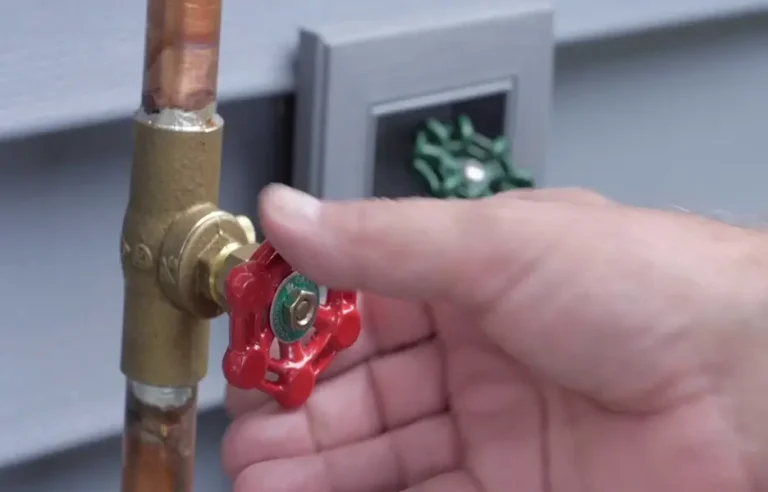
- Cover: Use a foam or rubber hose bib cover (easily found at hardware stores) over the exterior faucet. Then, locate the shut-off valve inside the house (often in the garage) for the exterior line and drain the water.
Part 4: The Professional Touch: When to Call APS Plumbing AZ
While DIY insulation is effective, a professional plumber should be called for:
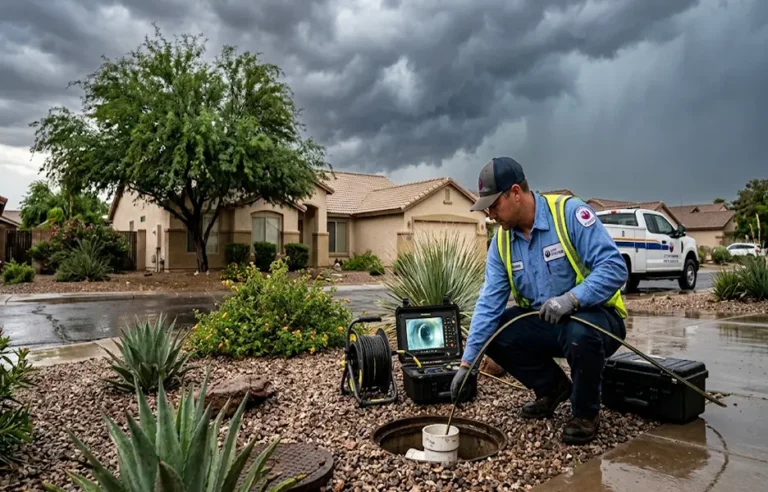
- Inspecting Hidden Lines: Using thermal cameras to check pipes hidden behind drywall in unheated utility areas.
- Relocation: If a pipe is permanently installed in a dangerously exposed area, we recommend relocating the pipe further inside the thermal envelope of your home (e.g., in Paradise Valley luxury homes).
- Valve Replacement: Replacing old, seized shut-off valves for exterior hose bibs that cannot be properly drained.
Conclusion: Insulate Today, Avoid Disaster Tomorrow
A small investment of time and money in proper pipe insulation today saves you from the devastating costs of a burst pipe tomorrow. Don’t let an AZ cold snap catch you off guard.
If you are unsure about the vulnerability of the pipes in your Phoenix Valley home, contact the pipe prevention experts at APS Plumbing AZ for a full winter readiness inspection.