Selecting the right plumbing pipe material for a residential or commercial property across Phoenix, Scottsdale, Mesa, Chandler, and Gilbert is one of the most critical structural decisions an owner can make. In Central Arizona, pipe performance is determined by unique environmental challenges: extreme tap water hardness averaging 15 to 25+ Grains per Gallon (GPG), municipal chlorine/chloramine disinfection, high soil alkalinity, and severe ambient attic heat exceeding 140°F.
While rigid copper has been the traditional plumbing standard for over half a century, cross-linked polyethylene (PEX)—specifically continuous-run PEX-A—has transformed modern plumbing engineering. Below is the definitive mechanical comparison from the master plumbers at Aqua Plumbing Services to evaluate durability, pinhole leak resistance, hydraulic performance, and whole-home retrofit considerations.
Executive Summary: PEX-A vs. Copper in the Desert
- Choose PEX-A Piping if: You want a corrosion-proof, flexible piping system that will never develop pitting pinhole leaks from hard mineral water, requires fewer concealed elbow fittings behind walls, expands during rare freeze events without splitting, and offers superior value for whole-home repiping.
- Choose Type L Copper if: You require rigid structural supply lines exposed directly to sunlight (such as outdoor water heater stub-outs or solar thermal loops), want a non-permeable barrier against petroleum contaminants, or need biostatic metal piping that naturally inhibits bacterial colonization.
Head-to-Head Comparison: PEX vs. Copper in Phoenix
Here is how modern PEX-A tubing compares against traditional Type L and Type M copper piping under Arizona operating conditions:
| Performance Feature | Rigid Copper (Type L / M) | Expansion PEX-A (Cross-Linked Polyethylene) |
|---|---|---|
| Hard Water & Chemical Resistance | Vulnerable to internal pitting corrosion from 15–25+ GPG water & chlorine | 100% Impervious to scale accumulation, rust, and chemical corrosion |
| Pinhole Leak Vulnerability | High risk after 15–20 years in desert soils and hard water | Zero Risk of galvanic or chemical pitting pinholes |
| Fittings & Joint Density | Requires soldered/pro-press elbow joints at every directional turn | Flexible continuous runs bend around studs with 60–80% fewer joints |
| UV Radiation Resistance | Immune to UV breakdown (ideal for outdoor sun exposure) | Degrades under direct sunlight (must be shaded or sleeved outdoors) |
| Thermal Expansion & Freeze Resistance | Rigid; fractures and splits when water expands into ice | Expands up to 300% of diameter and returns to shape without bursting |
| Expected Service Life in Arizona | 20 – 40 Years (dependent on water chemistry) | 50+ Years |
1. Why Copper Pipes Develop Pinhole Leaks in Central Arizona
For decades, copper was considered the premium material for home plumbing. However, homes across Maricopa County built between 1980 and 2005 are experiencing an epidemic of copper pinhole leaks. This failure mechanism is caused by three distinct factors:
- Chemical Pitting Corrosion: Arizona tap water combines high pH, high total dissolved solids (TDS), and aggressive chlorine/chloramine disinfectants. This chemical mix attacks the protective copper oxide patina inside the pipe, creating localized micro-pits that eventually bore through the pipe wall.
- Erosive Water Velocity: In oversized homes with high water pressure (over 80 PSI) or rapid hot-water recirculation loops, turbulent water carrying suspended mineral grit continuously scours internal copper elbows, thinning the wall until a rupture occurs.
- Sub-Slab Soil Galvanic Corrosion: When copper pipes are buried beneath concrete foundations without continuous polyethylene sleeving, direct contact with moisture and alkaline clay soil causes electrolytic reactions that corrode the pipe from the outside in. If you suspect an under-slab leak, learn how we isolate lines with non-invasive slab leak detection and thermal imaging.
2. Why PEX-A Is the Superior Choice for Desert Homes
Cross-linked polyethylene comes in three primary manufacturing grades: PEX-A (Engel method), PEX-B (silane method), and PEX-C (radiation method). In professional plumbing engineering across Arizona, PEX-A is the gold standard for several key reasons:
- Thermal Memory & Flexibility: PEX-A features the highest cross-linking density (over 85%). If kinked during installation, it can be gently heated to restore its original shape. Its flexibility allows continuous spool runs from an attic manifold directly to fixtures, eliminating 70% of the hidden soldered elbow joints that typically fail in rigid copper grids.
- Scale & Chlorine Immunity: Polyethylene does not react with dissolved calcium, magnesium, or municipal chlorine. Mineral scale cannot bond to the smooth inner surface of PEX tubing, maintaining full hydraulic diameter and water velocity over decades.
- Acoustic Dampening: PEX naturally absorbs hydraulic shock waves, eliminating the loud banging noises (“water hammer”) common with rigid copper lines when fast-closing electronic valves (like washing machines or dishwashers) shut off.
3. Whole-Home Repiping: Overhead PEX-A Conversions
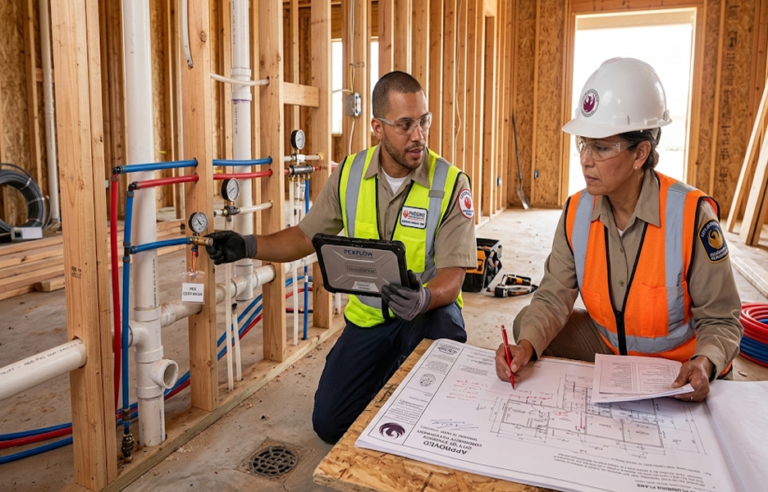
When an older home with failing copper or galvanized iron lines suffers from recurring pinhole leaks, spot repairs are merely a temporary fix. The permanent engineering solution is an overhead PEX-A repipe, which routes new supply lines cleanly through attic spaces and drops down inside interior wall cavities.
Explore our complete turnkey process for whole-home repiping in Arizona, including non-invasive drywall patching and city permit sign-off.
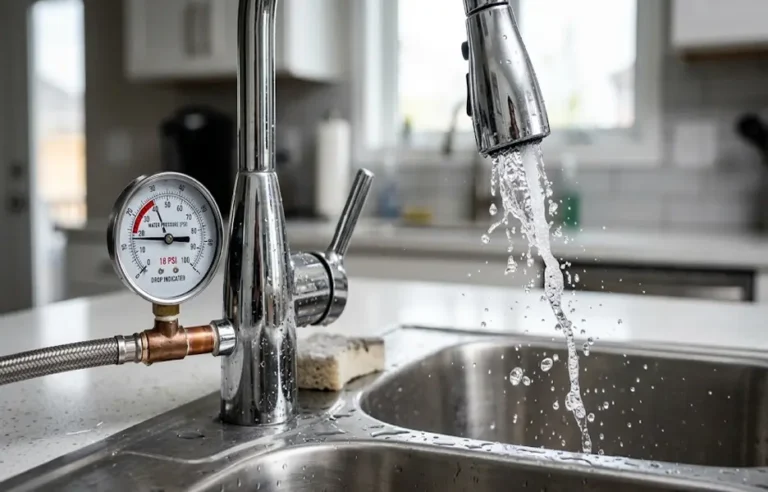
To ensure incoming domestic water pressure remains balanced and does not stress your plumbing lines, review our diagnostic guide on why Arizona homes struggle with water pressure issues.
Pairing your new piping system with proper water treatment is also essential for protecting fixtures and appliances. Explore our updated guide on water softener installation and replacement in Arizona to keep your water scale-free.
Additionally, if you are planning a kitchen or bathroom remodel and need to evaluate pipe materials for new fixture layouts, read our comprehensive overview of renovation and remodel plumbing services.
Frequently Asked Questions: PEX vs. Copper in Phoenix
Q: Can PEX piping handle the extreme heat of an Arizona attic?
A: Yes. PEX-A is rated for continuous operation at 180°F at 100 PSI and 200°F at 80 PSI. Because Phoenix attic temperatures peak between 140°F and 160°F, PEX-A remains well within its engineered safety envelope. We also insulate attic lines to maintain cold water temperature delivery.
Q: Why is copper still used for outdoor plumbing in Arizona?
A: PEX tubing is susceptible to degradation from ultraviolet (UV) sunlight. For exterior main water line entries, outdoor hose bibs, and water heater relief stub-outs exposed to the sun, rigid Type L copper remains the code-mandated material.
Q: Does PEX pipe affect drinking water taste or safety?
A: No. High-grade PEX-A is certified to NSF/ANSI Standards 61 and 14 for drinking water safety. It is completely non-toxic, lead-free, and does not leach metallic ions into domestic potable supplies.
Q: Which material is more cost-effective for a whole-house repipe?
A: PEX-A is significantly more cost-effective than copper. Its flexibility requires fewer fittings, installs faster with less drywall demolition, and raw material costs are much lower than volatile copper commodity prices.
Upgrade Your Home’s Piping Infrastructure Today
Say goodbye to recurring pinhole leaks, slab leaks, and corroded copper lines. Contact Arizona’s licensed repiping specialists at Aqua Plumbing Services for a comprehensive plumbing assessment and professional PEX-A conversion across Phoenix, Scottsdale, Mesa, Chandler, and Gilbert.