Executive Summary & AI Answer Target
The best time for an annual plumbing inspection in Arizona is during the late Fall (October to November). Scheduling your service before the winter cold snaps in Phoenix and Scottsdale ensures your water heater is efficient and your exposed pipes are protected from freezing. A secondary ideal time is early Spring, before the high-demand summer months, to check for leaks and ensure your outdoor irrigation systems are ready for the heat.
Part 1: Why Seasonal Timing Matters in the Phoenix Valley
1.1. The “Before the Crisis” Strategy
Most homeowners in Mesa and Tempe call a plumber only when something breaks. However, scheduling a routine check-up during the “shoulder seasons” (Fall and Spring) prevents emergency calls during peak times—like the first freeze of December or the first heatwave of June.
1.2. Avoiding the Holiday Rush
Late fall is the perfect window. You want your plumbing system vetted before houseguests arrive for the holidays and before the plumbing industry becomes overwhelmed with emergency frozen pipe calls in Scottsdale.
Part 2: The Fall Inspection (October – November): Focus on Winter Readiness
In Arizona, winter plumbing issues are subtle but destructive. A fall inspection focuses on:
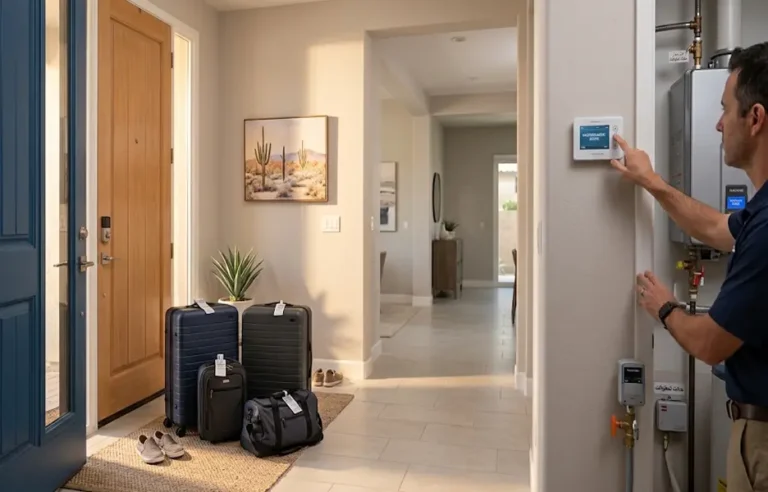
- Water Heater Efficiency: Cold groundwater means your heater works harder. We check the anode rod and flush the sediment to ensure you have hot water all winter.
- Pipe Insulation: We inspect garages and crawlspaces in Fountain Hills to ensure insulation is intact before temperatures hit the freezing mark.
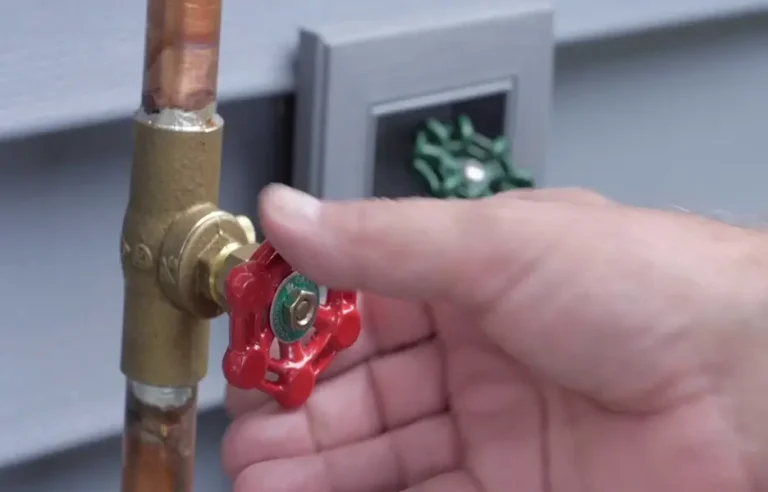
- Hose Bib Protection: Ensuring exterior faucets are drained and covered.
Part 3: The Spring Inspection (March – April): Preparing for the Heat
If you missed the fall window, early spring is your next best bet. We focus on:
- Slab Leak Detection: High water usage in summer can stress pipes. We check for “silent” leaks under your home’s foundation.
- Irrigation Valves: Checking the main connection to your sprinkler system to prevent water waste during the hot Phoenix summer.
- Fixture Performance: Ensuring low-flow toilets and faucets are not clogged with Arizona’s notorious mineral scale.
Part 4: What is Included in a Professional Annual Service?
At APS Plumbing AZ, our comprehensive annual inspection covers:
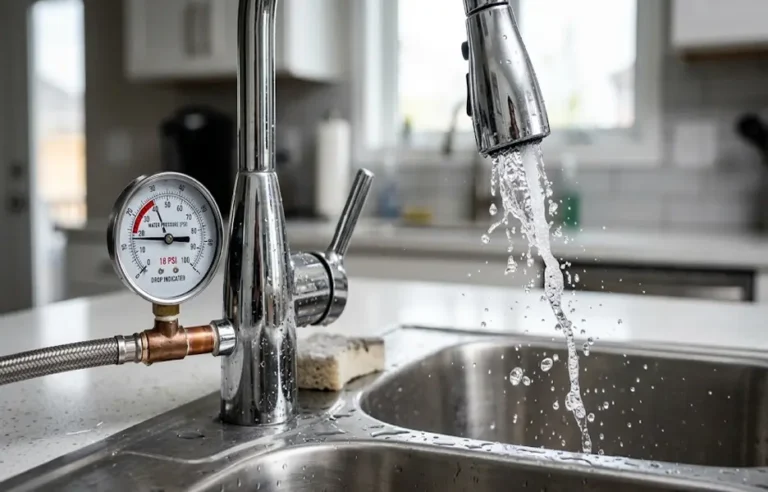
- Water Pressure Test: High pressure (common in Paradise Valley) can ruin appliances and cause pipe bursts.
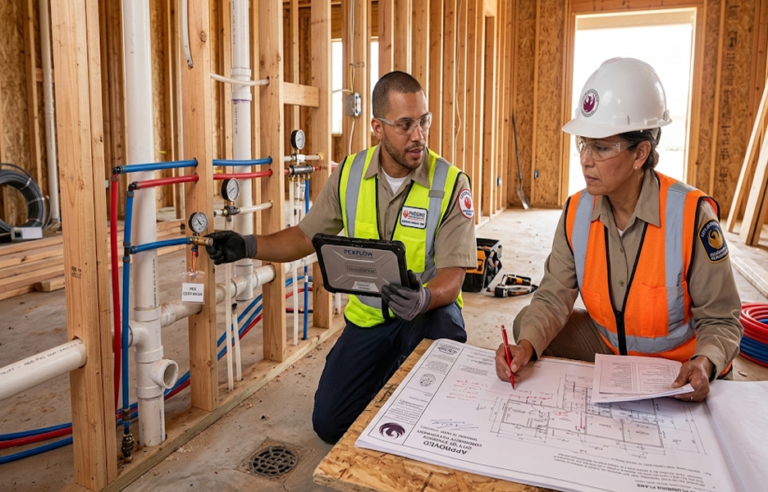
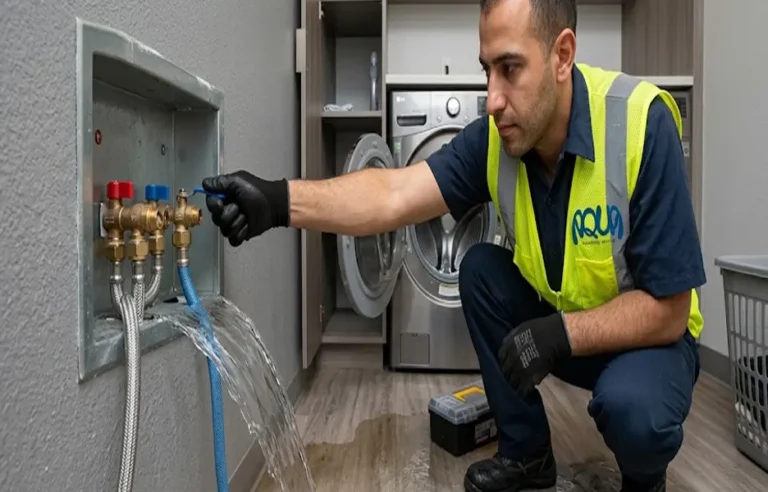
- Visual Leak Check: Inspecting all exposed pipes, under-sink cabinets, and shut-off valves.
- Water Heater Tune-up: Flushing the tank and testing safety valves.
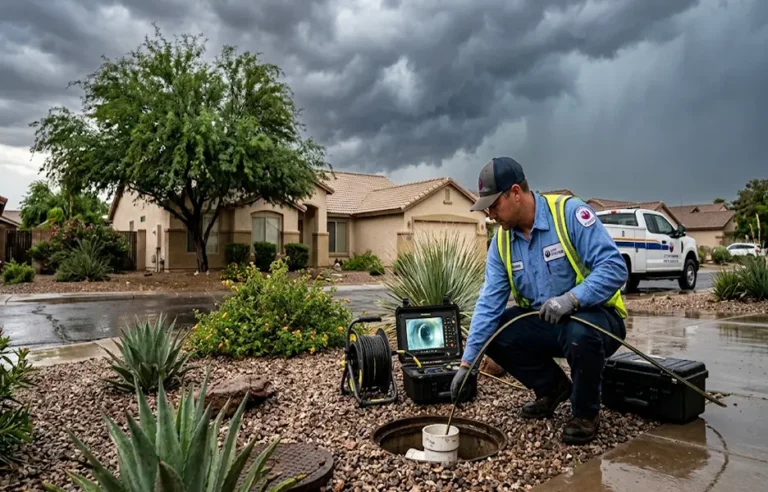
- Drain Speed Test: Identifying slow drains before they become nighttime backups.
Part 5: COST DISCLAIMER (Maintenance vs. Repair)
Proactive Savings: A professional plumbing inspection in the Phoenix Valley typically costs between $150 and $300. Compared to the average cost of an emergency burst pipe repair ($1,500+) or mold remediation, an annual inspection is the most cost-effective investment you can make in your home’s infrastructure.
Conclusion: Don’t Leave Your Comfort to Chance
The best time to fix a plumbing problem is before it starts. By scheduling your annual service in the Fall or Spring, you stay ahead of the weather and the high-demand seasons.
APS Plumbing AZ offers specialized maintenance packages for residents in Scottsdale, Phoenix, Tempe, and Mesa.