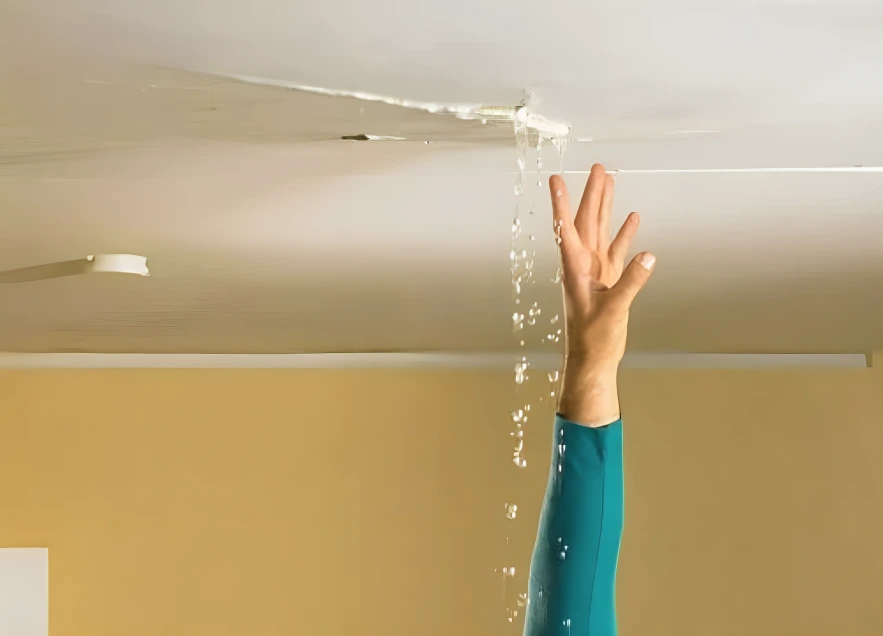
Water leaks in Arizona aren’t just a nuisance—they’re a silent threat to your home’s structural integrity and your wallet. The unique combination of our extreme heat, expansive soil, and aging infrastructure creates a perfect storm for slab leaks and hidden pipe failures. Catching these leaks early is critical to preventing catastrophic damage and sky-high repair bills.
This guide will walk you through the five most common—yet often overlooked—signs that you have a hidden water leak, why Arizona homes are particularly vulnerable, and what steps to take if you suspect a problem.
Why Arizona Homes Are Vulnerable to Costly Slab Leaks
Understanding the “why” behind the problem is the first step to prevention. Several factors specific to our region contribute to the high rate of hidden leaks:
- Expansive Clay Soil: The soil beneath many Arizona homes is rich in clay. This soil absorbs water from a leak, swells significantly, and then shrinks as it dries out. This constant swelling and shrinking movement puts immense pressure on your foundation and pipes, leading to cracks and new leaks.
- Extreme Temperature Fluctuations: The dramatic shift from scorching days to cooler nights causes underground copper pipes to expand and contract repeatedly. Over time, this stress fatigues the metal, leading to pinhole leaks and cracks.
- High Mineral Content in Water: Our hard water accelerates corrosion and mineral buildup inside pipes, weakening them and reducing water flow, which increases pressure and the likelihood of a leak.
The 5 Sneaky Signs of a Hidden Water Leak
Don’t wait for a geyser in your living room to know you have a problem. Watch for these subtle warning signs:
1. The Mystery of the Rising Water Bill
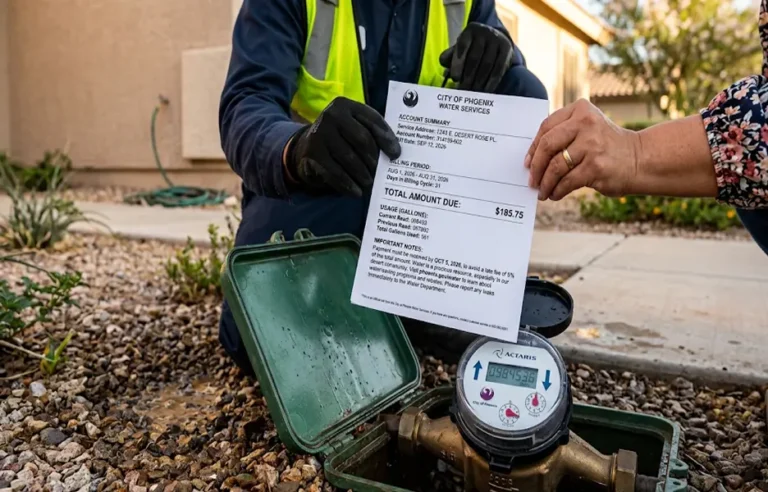
This is often the first and most obvious red flag. If your water bill suddenly spikes without a logical explanation—like filling a pool, hosting guests, or watering a new landscape—you likely have a leak. Even a small, pinhole leak can waste hundreds of gallons a month, quietly adding dollars to your utility bill.
2. The Sound of Running Water When Everything is Off
Go to the quietest part of your home (often a bathroom or laundry room) and listen carefully. Do you hear the faint sound of water running even though all faucets, appliances, and toilets are completely off? This persistent sound is a classic indicator of water moving through a broken pipe beneath your slab or behind a wall.
3. Warm Spots on Floors or Damp, Buckling Flooring
For leaks in hot water lines, you might feel unusually warm spots on your tile, laminate, or concrete floor. For cold water leaks, you may notice damp carpets, warping hardwood, or buckling laminate. Moisture seeping up from below will eventually ruin your flooring and create a perfect environment for mold.
4. Persistent Musty Odors or Mold Growth
A constant damp environment under your home is a breeding ground for mold and mildew. If you notice a persistent musty, earthy smell that won’t go away with cleaning, or if you see unexplained mold patches on baseboards or walls, it could be due to evaporation from a hidden leak.
5. Cracks in Walls, Flooring, or Foundation
As leaking water washes away soil or causes clay soil to expand, it can lead to foundation movement. Be vigilant for new, unexplained cracks in your drywall, stucco exterior, brick mortar, or across your concrete slab. These structural signs often point to a significant, long-term leak.
Why Immediate Leak Detection & Repair is Non-Negotiable
Ignoring these signs can lead to consequences far more expensive than the leak repair itself:
- Severe Structural Damage: Eroded soil and expanding clay can cause foundations to settle and crack.
- Toxic Mold Infestation: Mold remediation is a costly and invasive process that can affect your health.
- Sky-High Water Bills: A constant leak is like pouring money down the drain.
- Destroyed Flooring & Finishes: Floors, cabinetry, and drywall may need to be completely replaced.
How Professional Plumbers Find Leaks You Can’t See
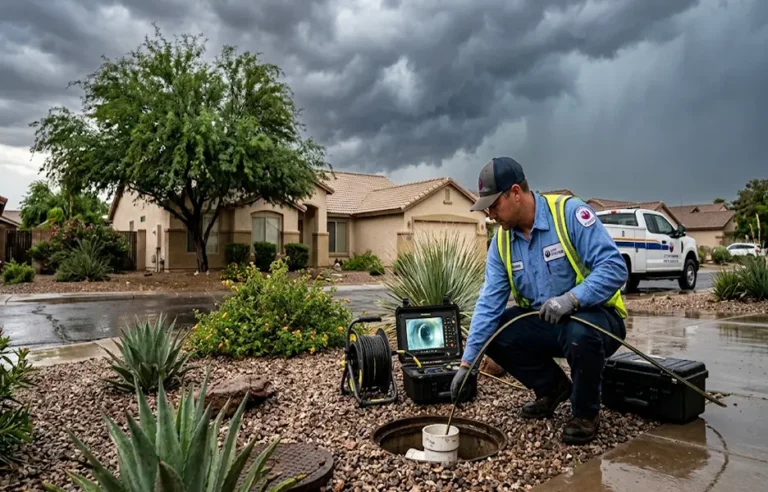
Modern leak detection is a sophisticated science that doesn’t require tearing up your entire home. At Aqua Plumbing, we use non-invasive technology to pinpoint the exact location of a leak:
- Acoustic Listening Devices: Highly sensitive equipment that amplifies the sound of water escaping from a pipe, even through concrete.
- Thermal Imaging Cameras: Infrared cameras that identify temperature differences caused by moisture under floors or behind walls.
- Video Pipe Inspection: Tiny, waterproof cameras are snaked through pipes to visually locate cracks and breaks from the inside.
Found a Sign? Don’t Panic—Here’s Your Action Plan
- Stay Calm: The first step is to not panic. You’ve caught the warning sign early.
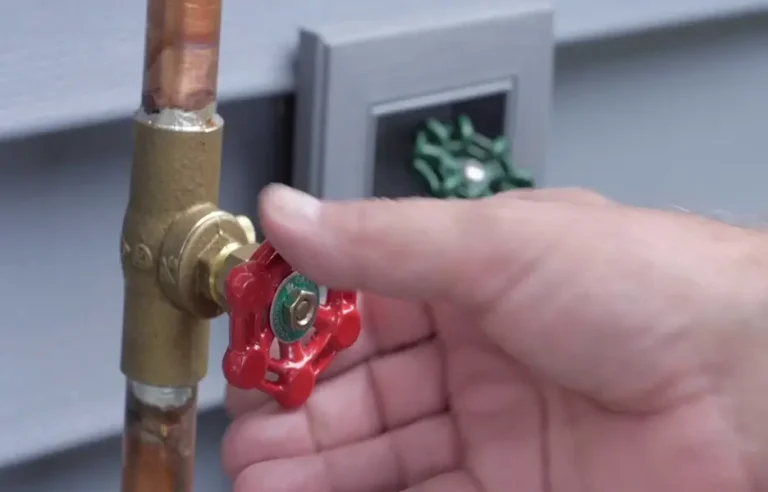
- Locate Your Main Water Shut-Off Valve: Know where it is and how to turn it off. This can stop the flow of water and minimize damage in an emergency.
- Call a Professional Immediately: Slab leak detection and repair is not a DIY job. It requires specialized expertise and equipment.
Protect Your Home with Expert Leak Detection
Your home is your most valuable investment. Don’t let a hidden leak undermine its foundation. If you recognize any of these warning signs, acting quickly is the key to a simple, affordable repair.
🔧 Call to Action: Suspect a Hidden Leak? We Can Find It.
☎️ Contact Aqua Plumbing for Advanced, Non-Invasive Leak Detection Today!
✅ 24/7 Emergency Service | State-of-the-Art Technology | Licensed & Insured
📌 Explore Our Related Services:
Slab Leak Detection & Repair
Emergency Plumbing Service
Water Pressure Regulation