For homeowners across the Greater Phoenix Area, the most secure structural asset in their house is also its most vulnerable mechanical hazard: the monolithic concrete slab foundation.
Because basement construction is rare across Maricopa and Pinal counties due to hard caliche soils, the vast majority of residential properties are built directly over heavy concrete slabs. Wrapped deep within and beneath this concrete are your home’s primary copper, PEX, or galvanised water supply lines.
When these buried pipes corrode, fracture, or shear due to desert soil shifts, the resulting water loss creates a silent, highly destructive crisis known as a slab leak.
[Buried Pipe Failure] ──> Subfloor Water Loss ──> Soil Erosion & Shifting ──> Concrete Foundation Cracks
Left undetected, a slab leak erodes supporting subfloor soil, causes foundation movement, breeds toxic mold, and results in tens of thousands of dollars in structural damage. Fortunately, modern smart leak detection technology allows technicians to catch these hidden breaches down to the exact inch without tearing up your home’s flooring.
Below is the definitive engineering guide from the diagnostic team at Aqua Plumbing Services on how smart detection isolates slab leaks before disaster strikes.
1. Early Warning Signs of a Subfloor Slab Leak
Because slab leaks happen entirely beneath concrete and flooring, they rarely show up as visible surface pools in their early stages. Homeowners must watch for these subtle mechanical warnings:
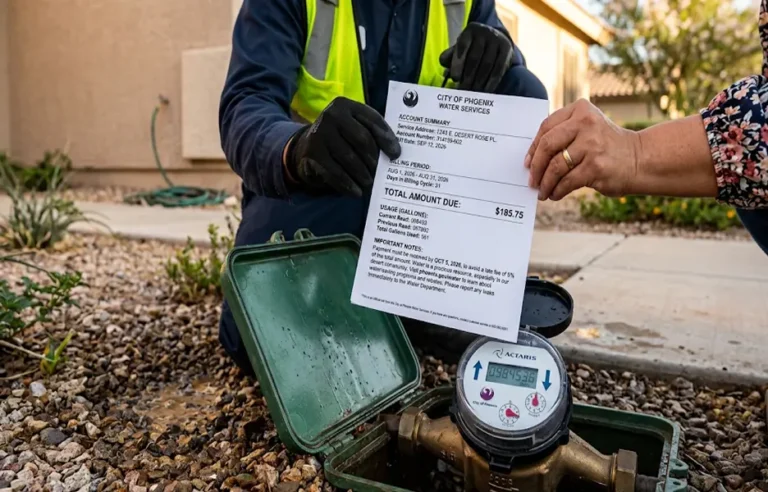
- Unexplained Municipal Utility Spikes: A sudden jump in your monthly water bill without an increase in household consumption is the single most common indicator of an underground leak.
- The Sound of Running Water: Hearing a continuous rushing or hissing sound behind walls or under floors when all indoor taps are turned off completely.
- Localized Flooring “Hot Spots”: If a buried hot water supply line breaks, heat transfers upward through the concrete, creating a noticeably warm section of tile, hardwood, or carpet.
- Damp Carpets or Buckling Floors: Hardwood planks warping, vinyl tiles lifting, or carpet pads feeling squishy along hallway paths.
- Foundation and Drywall Hairline Cracks: Cracks appearing along exterior foundation footings or diagonal stress cracks forming above interior door frames.
2. How Smart Leak Detection Isolates Hidden Pipe Breaches
Historically, locating a slab leak involved invasive exploratory jackhammering, turning living rooms into dusty construction zones based on rough guesses. Today, certified diagnostic specialists deploy a combination of non-invasive smart diagnostic tools to pinpoint subsurface leaks cleanly:
[Acoustic Telemetry] + [Thermal Infrared Imaging] + [Helium Tracer Gas] ──> Exact Pinpoint Isolation
Acoustic Subsurface Telemetry
Water escaping under high pressure through a microscopic pipe fissure creates distinct sound frequencies that travel through ground soil and concrete. Technicians use digital acoustic ground microphones equipped with frequency filters to amplify these sound signatures, identifying the exact noise peak beneath the floor.
Thermal Infrared Imaging Cameras
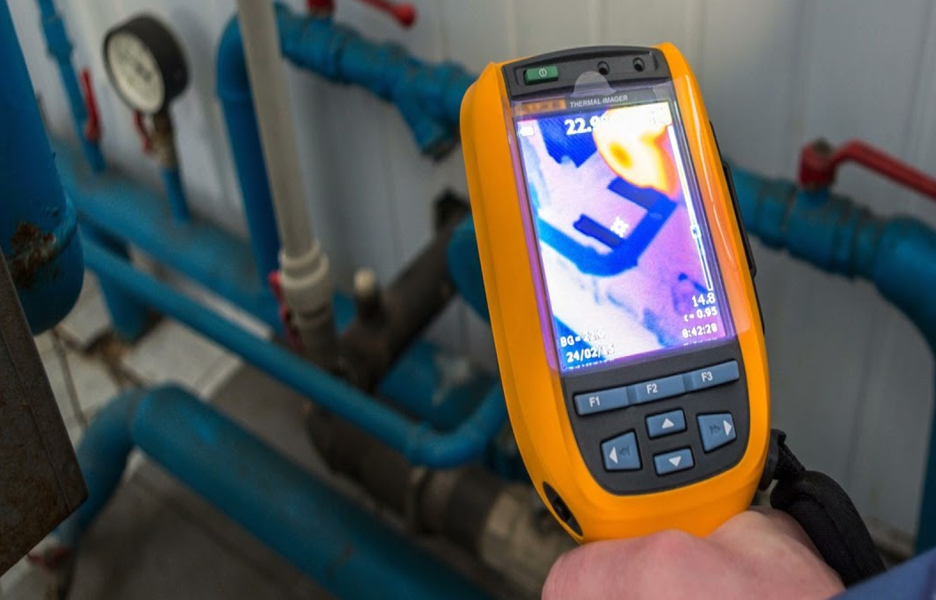
High-resolution infrared cameras detect subtle surface temperature changes across your concrete floor. When a hot water line breaches beneath the slab, the infrared scope visualizes the thermal plume spreading under the flooring in real-time, mapping the leak path clearly.
Helium Tracer Gas Detection
For small, low-pressure pinhole leaks that emit minimal sound, technicians isolate the plumbing loop, drain the water, and pressurize the line with safe, non-toxic helium gas. Because helium atoms are tiny, they rise rapidly through concrete foundations, where sensitive electronic gas sniffers detect their exact exit point.
3. Repair Strategies: Jackhammering vs. Smart Trenchless Rerouting
Once smart leak detection pinpoints the location of a slab leak, homeowners have three distinct repair pathways depending on pipe age and structural access:
| Repair Methodology | Operational Process | Best Suited For | Structural Impact |
| Direct Slab Spot Repair | Breaking a small section of concrete directly over the leak to replace the damaged pipe fitting. | Newer plumbing systems with localized mechanical damage. | Moderate (Requires floor cutting & patching). |
| Overhead Line Reroute | Abandoning the broken buried line entirely and running a fresh PEX line overhead through walls/attic. | Older homes or copper lines with multiple corrosion points. | Zero concrete damage; minimal drywall access. |
| Epoxy Pipe Lining | Coating the interior of the existing line with an NSF-approved epoxy barrier matrix. | Long straight pipe runs with minor pinhole leaks. | Zero excavation; restored line integrity. |
Protecting Your Property and Insurance Coverage
A slab leak is considered a major home emergency that requires immediate professional documentation. As detailed in our comprehensive plumbing leak insurance checklist Arizona guide, insurance adjusters require clear visual and diagnostic evidence showing that the break was sudden and accidental rather than caused by long-term, unaddressed property neglect.
Furthermore, extreme summer heatwaves dry out expansive desert clay, causing subterranean soil contraction that shifts foundation slabs and shears buried copper lines. Property owners looking to safeguard their foundation infrastructure can review our seasonal guide on how to prevent pipe leaks caused by extreme dryness to mitigate subsurface soil movement.
If you suspect a slab leak, notice warm spots on your floors, or see an unexplained jump in your water bill, do not wait for foundation cracks to appear. The certified rapid-response team at Aqua Plumbing Services is equipped with state-of-the-art acoustic and thermal leak detection tools to isolate your plumbing issue cleanly. Contact our field team today for a comprehensive subfloor diagnostic evaluation.