If your drains are slowing down or you’ve noticed strange smells coming from your plumbing, it might be time for a camera inspection.
In Arizona’s dry climate — where shifting soil, tree roots, and hard water buildup can damage pipes — a sewer camera inspection is one of the smartest and most cost-effective ways to diagnose hidden plumbing issues before they become emergencies.
At APS Plumbing AZ, we specialize in using advanced pipe camera technology to inspect, diagnose, and protect your plumbing system — saving Arizona homeowners time, water, and money.
What Is a Sewer Camera Inspection?
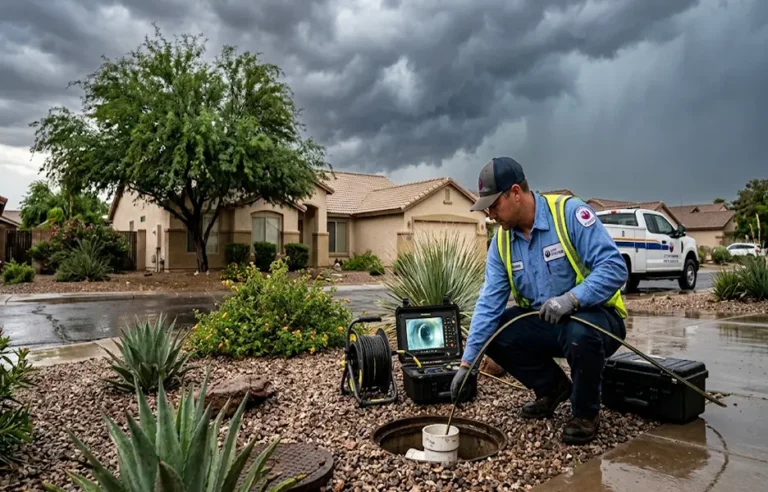
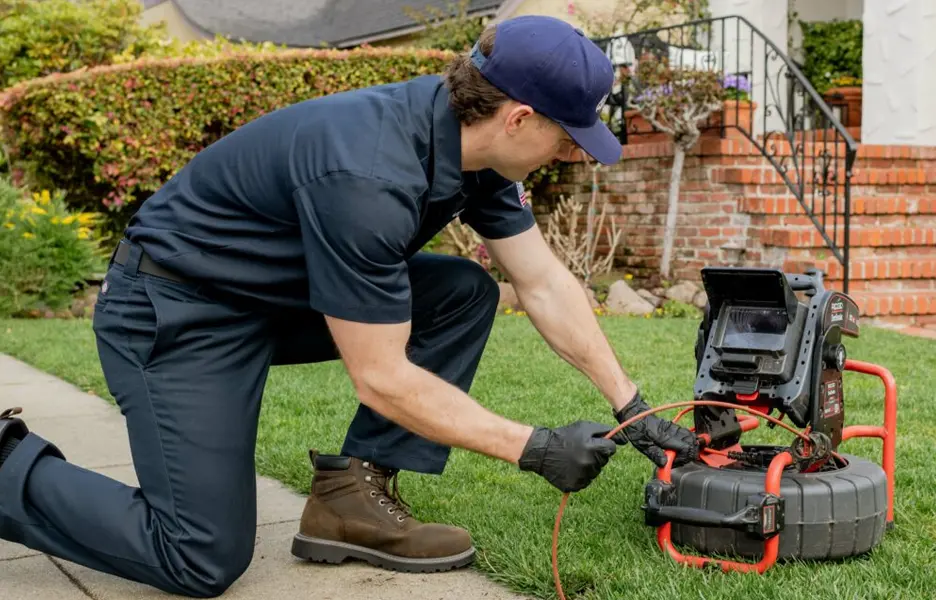
A sewer camera inspection involves using a small, waterproof camera attached to a flexible cable that travels through your home’s pipes and main sewer lines.
This camera sends a live video feed to your plumber, allowing them to see:
- Cracks or leaks in pipes
- Root intrusions
- Blockages caused by debris or buildup
- Corrosion, scaling, or misaligned joints
Unlike traditional guesswork, a camera inspection provides real-time visual data so you know exactly what’s happening underground — no digging required.
🧰 Related: Before scheduling repairs, learn how to Detect Hidden Pipe Leaks Without Damaging Walls.
Why Arizona Homes Need Camera Inspections
Arizona homes face plumbing challenges that make preventive inspections essential:
- Hard water mineral deposits clog lines over time.
- Tree roots from desert landscaping seek moisture and invade sewer joints.
- Soil shifting from monsoon rains can crack buried pipes.
- Older neighborhoods (built before the 1980s) often have aging clay or cast-iron lines.
Scheduling a camera inspection every few years helps identify small issues before they become costly repairs.
When Should You Get a Camera Inspection?
You should consider a sewer camera inspection if you experience:
- Frequent drain clogs or backups
- Gurgling sounds in toilets or sinks
- Water pooling in the yard with no clear source
- Unexplained spikes in your water bill
- Odors from drains or sewer lines
Even if everything seems fine, annual or biennial inspections are recommended for Arizona homeowners — especially before selling or buying a house.
The Camera Inspection Process (Step-by-Step)
Here’s what to expect when you schedule a camera inspection with APS Plumbing AZ:
- Access & Setup: We locate the cleanout (access point) to your main sewer line.
- Camera Insertion: A high-resolution waterproof camera is fed through the pipe.
- Live Diagnostics: Our technician monitors the live video feed to detect cracks, buildup, or obstructions.
- Reporting: You receive a detailed report with video footage and recommendations for repair or cleaning.
This process typically takes under two hours, depending on pipe length and accessibility — with zero mess or property damage.
How Camera Inspections Save You Money
A camera inspection isn’t just diagnostic — it’s preventive.
Instead of paying for emergency repairs or major excavation, early detection helps you fix small issues quickly.
Typical benefits include:
- Avoiding unnecessary pipe replacement
- Detecting leaks before they cause water damage
- Extending the lifespan of your plumbing system
- Preventing health hazards from sewer gas leaks
What Happens After the Inspection?
After reviewing your camera footage, our team provides:
- A clear explanation of what’s inside your pipes
- Recommendations for hydro-jet cleaning, root removal, or pipe relining, if needed
- Preventive maintenance plans for long-term plumbing health
At APS Plumbing AZ, we always give transparent, approximate estimates based on the type and location of the issue — no surprises, no upselling.
Can Camera Inspections Detect Mold or Hidden Moisture?
Yes — indirectly.
While the camera doesn’t detect mold, it helps identify moisture sources such as leaks, cracks, or clogged vents that cause mold growth.
🌿 To learn how to prevent humidity issues after repairs, read How to Prevent Mold Growth in Arizona Pipes.
By combining camera inspections with proper ventilation and routine checks, you can prevent costly mold remediation later.
How Often Should You Inspect Your Sewer Lines?
Most Arizona homeowners should schedule a camera inspection every 2–3 years, but older homes or properties with large trees may need them annually.
New homeowners should also request one before closing a purchase — it’s one of the most valuable yet overlooked steps in a home inspection.
📅 For consistent results, add sewer camera inspection to your annual plumbing maintenance routine. APS Plumbing AZ can remind you when it’s time for your next checkup.
Why Choose APS Plumbing AZ for Your Camera Inspection?
At APS Plumbing AZ, we combine advanced technology with local expertise.
Our inspections are:
- Non-invasive — no digging or wall cutting
- Accurate — high-definition video and digital reports
- Fast and affordable — most inspections completed in under two hours
- Educational — we review the footage with you, so you understand every finding
We proudly serve Phoenix, Mesa, Scottsdale, Gilbert, and Tucson, offering same-day appointments for urgent issues.
📞 Ready to see what’s happening inside your pipes? Book a Camera Inspection with APS Plumbing AZ today.
Final Thoughts
A camera inspection is one of the most valuable investments Arizona homeowners can make in their plumbing systems.
It prevents costly surprises, ensures compliance with local plumbing codes, and gives you peace of mind knowing your drains and sewer lines are clear and healthy.