
Gas is an essential utility in many Arizona homes, used for heating, cooking, and hot water. However, older homes often have outdated gas lines that may develop leaks or pose safety risks. Recognizing the warning signs of gas line problems can prevent serious hazards, including fire, explosions, or carbon monoxide poisoning.
Why Older Homes in Arizona Are at Risk
Arizona is home to many historic and mid-century houses. While charming, these homes often come with aging infrastructure, including gas lines. Over time, pipes can corrode, connections can weaken, and appliances may become unsafe.
Factors contributing to risk in older homes include:
- Corrosion or rust on gas pipes.
- Worn-out seals and joints that leak gas.
- Improper ventilation leading to carbon monoxide buildup.
- Outdated installation practices that don’t meet today’s safety standards.
Common Warning Signs of Gas Line Problems
1. Rotten Egg Smell (Sulfur Odor)
Utility companies add a chemical called mercaptan to natural gas, giving it a strong sulfur or rotten egg smell. If you notice this odor inside or outside your home, it is a clear warning sign of a gas leak.
2. Hissing or Whistling Sounds
If gas escapes from a pipe or appliance, you may hear hissing noises near the gas line. This is especially noticeable around appliances, furnaces, or water heaters.
3. Dead or Dying Vegetation Outdoors
Gas leaks underground can prevent plants from getting oxygen. If you see a patch of dead grass or shrubs above your gas line, this could signal a leak.
4. Physical Symptoms of Exposure
Gas leaks and carbon monoxide exposure can cause:
- Headaches
- Dizziness
- Nausea
- Fatigue
- Breathing difficulties
If multiple family members feel sick at the same time, especially indoors, it may indicate a gas or carbon monoxide problem.
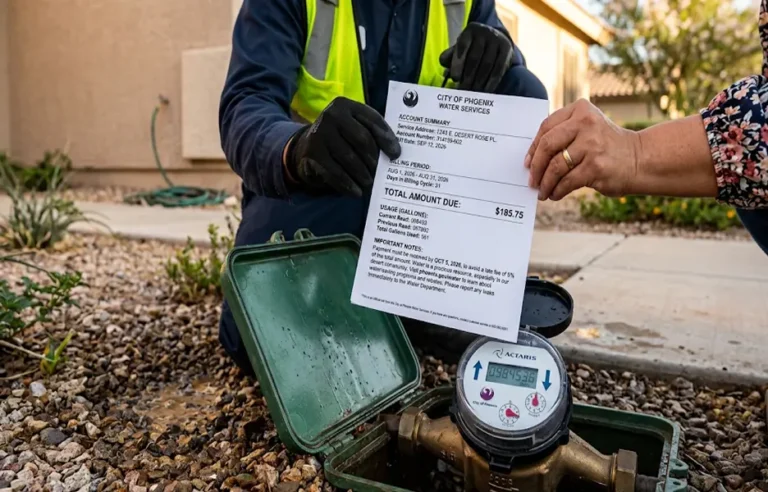
5. Higher-than-Normal Gas Bills
A hidden leak often results in unexpected spikes in your monthly utility bills. If your usage hasn’t changed but costs have risen, have your gas line inspected.
6. Yellow or Orange Flames
Gas appliances should burn with a steady blue flame. If flames turn yellow or orange, it may signal incomplete combustion or gas line issues.
The Importance of Gas Line Inspections in Arizona
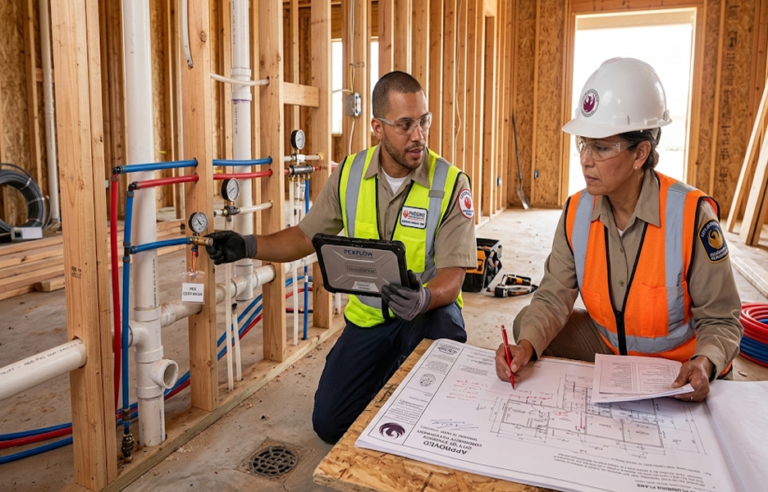
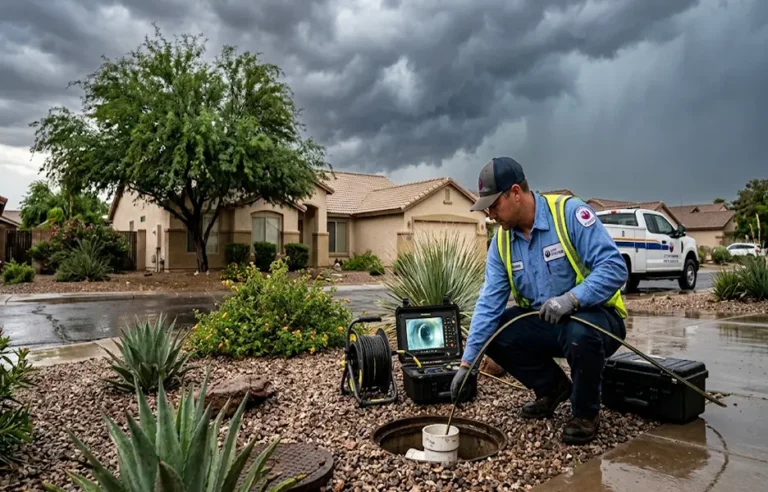
Regular gas line inspections are crucial for homeowners, especially in older properties. Professional plumbers or gas technicians use advanced tools to check for leaks, corrosion, and proper ventilation.
Benefits of inspection include:
- Early detection of leaks
- Prevention of fire and explosion hazards
- Compliance with local safety codes
- Peace of mind for homeowners
Carbon Monoxide Safety in Older Homes
Carbon monoxide (CO) is a silent killer—it has no odor, color, or taste. Faulty gas lines or appliances can release CO, creating dangerous conditions.
Safety tips for Arizona homeowners:
- Install carbon monoxide detectors on every floor of your home.
- Test detectors monthly and replace batteries regularly.
- Ensure proper ventilation in kitchens, basements, and utility rooms.
- Schedule annual furnace and appliance maintenance.
Emergency Steps If You Suspect a Gas Leak
If you notice warning signs of a gas leak in your Arizona home:
- Leave the home immediately. Do not use electrical switches, lighters, or phones indoors.
- Call emergency services or your gas utility company from outside the home.
- Avoid returning until professionals confirm the property is safe.
- Schedule emergency gas line repair with a licensed plumber to restore safety.
When to Call a Professional for Gas Line Repair
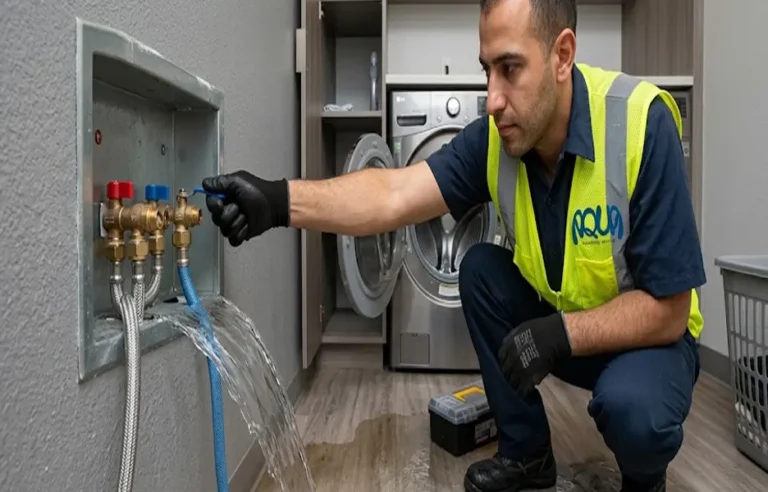
Homeowners should never attempt gas line repairs themselves. Professional plumbers are trained to handle:
- Gas line leak detection and repair
- Replacement of corroded or outdated pipes
- Appliance connection inspections
- Emergency services for urgent leaks
In Arizona, hiring licensed and insured professionals ensures the job is completed safely and complies with local regulations.
Preventative Measures for Arizona Homeowners
- Schedule annual gas line inspections.
- Replace old or corroded pipes.
- Upgrade appliances to modern, energy-efficient models.
- Keep gas lines clear of clutter and debris.
- Educate family members on gas leak warning signs.
Conclusion
Gas line problems in older Arizona homes are a serious safety concern. Recognizing the warning signs—such as sulfur odors, hissing sounds, dead vegetation, and physical symptoms—can save lives.
By scheduling regular inspections, installing carbon monoxide detectors, and relying on emergency gas services when needed, Arizona homeowners can protect their families, reduce risks, and ensure safe gas usage in their homes.