Quick answer: An annual plumbing inspection checks water pressure and the PRV, the water heater, visible supply lines and shut-off valves, fixtures and toilets, drains, the water softener, backflow and irrigation connections, and looks for signs of hidden leaks. In the Valley, late fall (October–November) is a good time: it catches summer heat damage and prepares exposed pipes for winter freezes. Spring before the summer heat is a good second option.
Arizona is hard on plumbing. Very hard water builds scale, summer heat stresses outdoor pipes and valves, expansive soil shifts slabs, and a few freezing nights each winter can crack exposed fittings. A yearly inspection finds small issues before they turn into water damage or an emergency call.
What a professional inspection covers
| Area | What is checked |
|---|---|
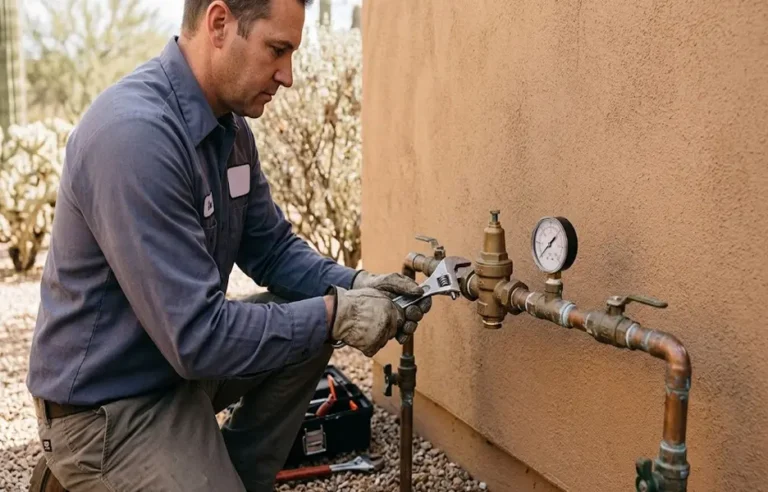
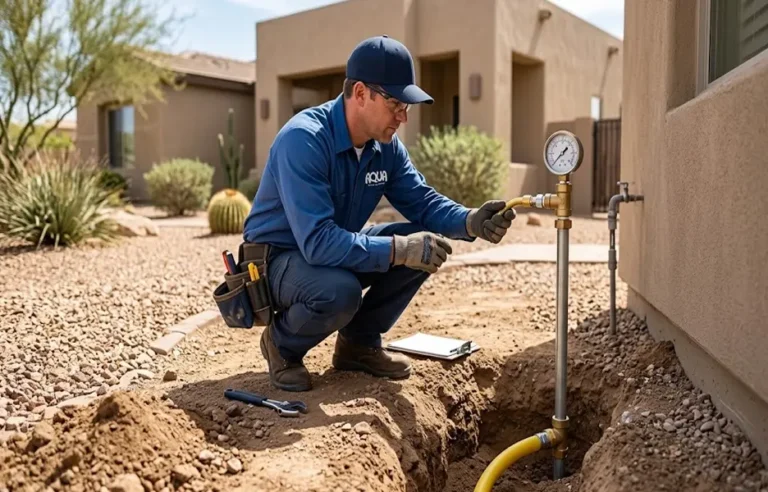
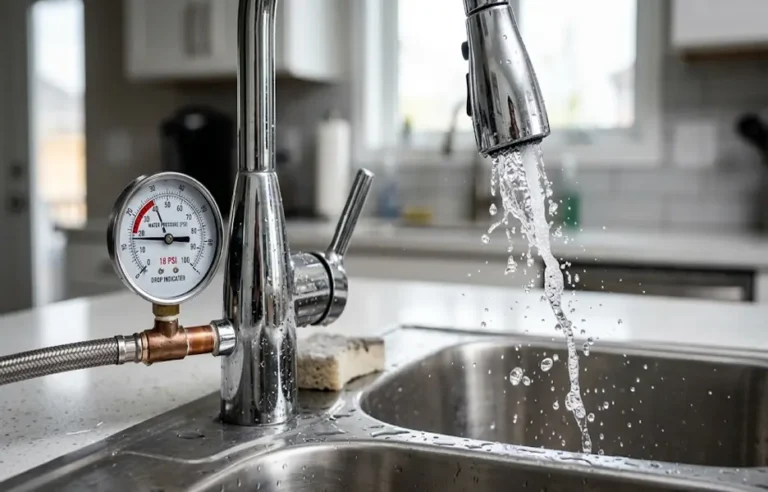
| Water pressure & PRV | Static pressure (should be at or below 80 PSI), regulator condition |
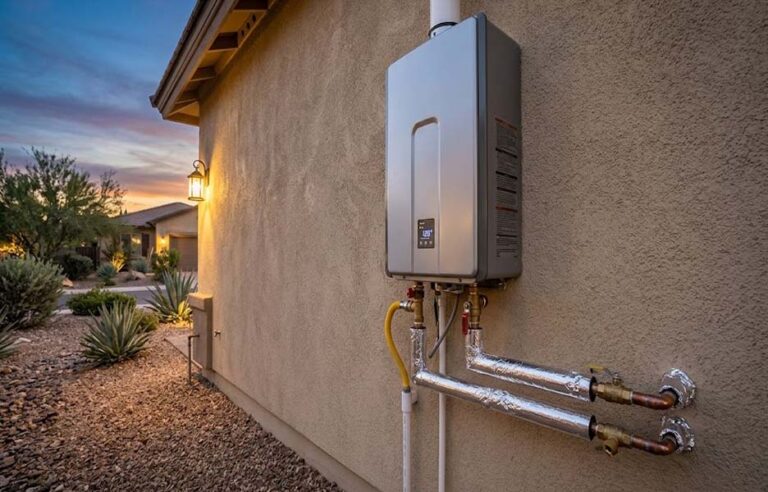
| Water heater | Sediment, anode condition, relief valve and drain, venting, signs of leaks or rust |
| Shut-off valves | Main and fixture valves open and close properly |
| Supply lines & connectors | Washer hoses, toilet and faucet supplies, ice maker line |
| Fixtures & toilets | Leaks, running toilets, worn cartridges, loose fixtures |
| Drains | Slow drains, venting issues; camera inspection if needed |
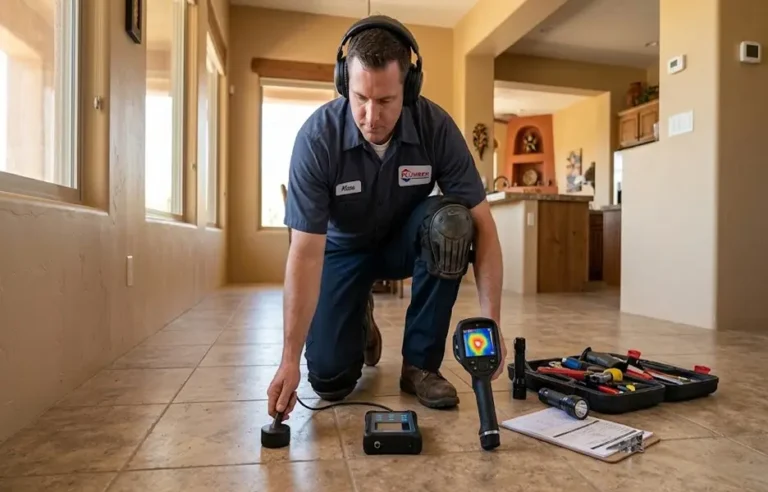
| Hidden leaks | Water meter test, moisture under sinks, warm floor spots |
| Water treatment | Softener settings and salt, filter condition |
| Outdoor | Hose bibbs, backflow preventer, irrigation connections, gas line exposure |
Best time to schedule in the Valley
- October–November (best): finds heat-related damage from summer and gives time to insulate exposed pipes before winter freezes.
- March–April: good before summer, especially for water heaters, PRVs and irrigation.
- Before buying or selling a home: add a sewer scope for older properties.
DIY checklist between visits
- Check the water meter with everything off once a season to catch hidden leaks.
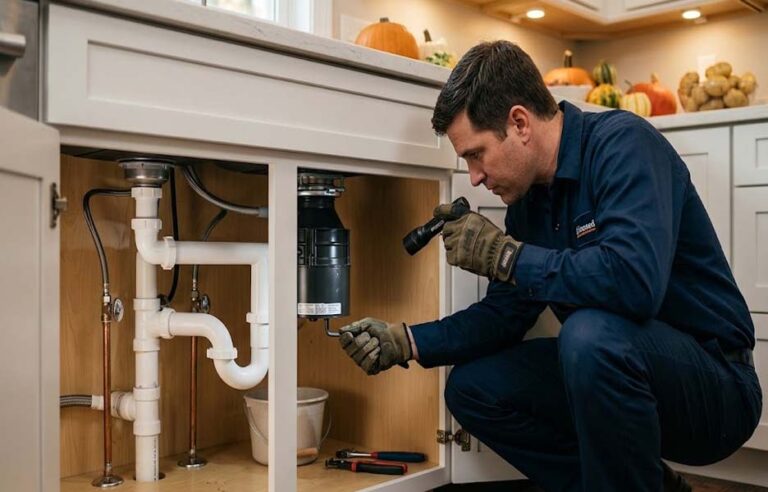
- Look under sinks and around the water heater for moisture or rust.
- Test the main shut-off valve; see how to find it.
- Clean faucet aerators and showerheads to remove scale.
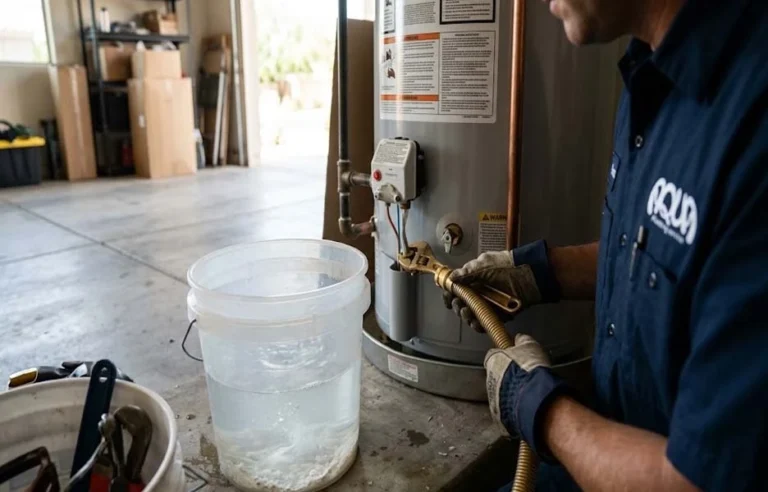
- Flush the water heater; see why a post-summer flush matters.
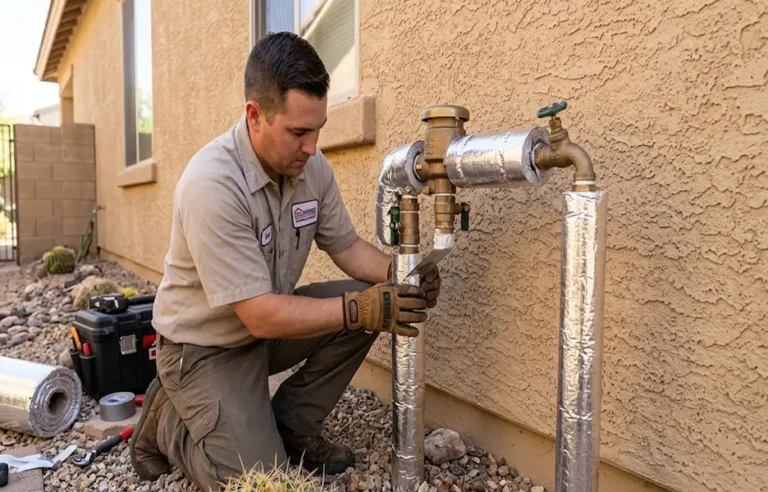
- Insulate outdoor pipes before winter; see best pipe insulation for Arizona.
Why it pays off
Most expensive plumbing repairs start small: a failing PRV that lets pressure climb, a water heater full of sediment, a pinhole leak under the slab. Catching them early is cheaper and avoids water damage, mold and insurance claims.
APS Plumbing performs whole-home plumbing inspections across Scottsdale, Phoenix and the East Valley as part of our general plumbing services.
Frequently Asked Questions
How often should plumbing be inspected in Arizona?
Once a year for most homes. Older homes, homes with past leaks and rental properties may benefit from more frequent checks.
What is the best time of year for a plumbing inspection in Phoenix?
Late fall, around October or November, catches summer heat damage and prepares exposed pipes for winter. Spring is a good second choice.
What does a plumbing inspection include?
Water pressure and the PRV, the water heater, shut-off valves, supply lines, fixtures, drains, water treatment, outdoor fixtures and a check for hidden leaks.
Can I check for leaks myself?
Yes. Turn off all water, note the meter reading, wait 30 minutes without using water and check whether the meter moved.
Need a plumber in Scottsdale or Phoenix?
APS Plumbing (Aqua Plumbing Services LLC) answers 24/7 across Scottsdale, Phoenix, Paradise Valley, Tempe, Mesa, Chandler, Gilbert and Glendale. 10% off for military personnel and 12 months no-interest financing available.